
Learning materials
14 October 2026
Practical guidance on preparing physical AI for the factory floor with digital twins and simulation
Learning materials
14 October 2026
Login / create an account to be able to react
-
5
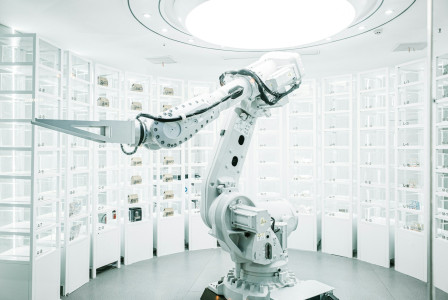
Bringing physical AI, meaning AI that perceives, decides and acts in the physical world, into industrial production takes more than a good model. Task-relevant simulations, product and factory models, operational data and evidence from physical tests are needed alongside it.
Editorial team
Smart Industry
Topics
EU-27
Academic / Research and VET Institutions
Company with 250 or more employees
SMEs (a company with less than 250 employees)
-
Advanced Manufacturing Organisation Types
-
-
Industrial Software & Technology Providers
-
Robotics and Automation Companies
-
-
Technology areas
-
-
Autonomous Systems, Robotics
-
Data, Dynamic Data
-
Industrial AI
-
XR, VR, Augmented reality, Mixed reality, Metaverse
-
Share
A shared digital environment connecting these resources, often called the industrial metaverse, depends on common semantics, persistent identifiers, standardised interfaces, version management, data governance and cybersecurity. Connected digital twins and synthetic data make it possible to train and test systems without disrupting live lines, and the gap between simulation and reality can be narrowed through calibration with real data. However, validation under representative conditions on physical equipment remains necessary. Deployment works best in small steps: a clearly defined use case with measurable acceptance criteria, safety functions kept independent from AI-based functions, and version control, monitoring and the ability to restore a previously validated state. This shifts attention from model performance to the engineering evidence behind it, which is likely to shape what integrators and end users expect from suppliers of adaptive robots and machines.
#DigitalTwin #Robotics #SmartFactory
Comments (0)
Connected Partnership Opportunities
See also

How to submit content – Guide for EU Machinery and Advanced Manufacturing Ecosystem
- Categories
- Industrial Software & Technology Providers Machine Tool Manufacturers Other +16 more

How to register and get started – Guide for EU Machinery and Advanced Manufacturing Ecosystem
- Categories
- Industrial Software & Technology Providers Machine Tool Manufacturers Other +16 more
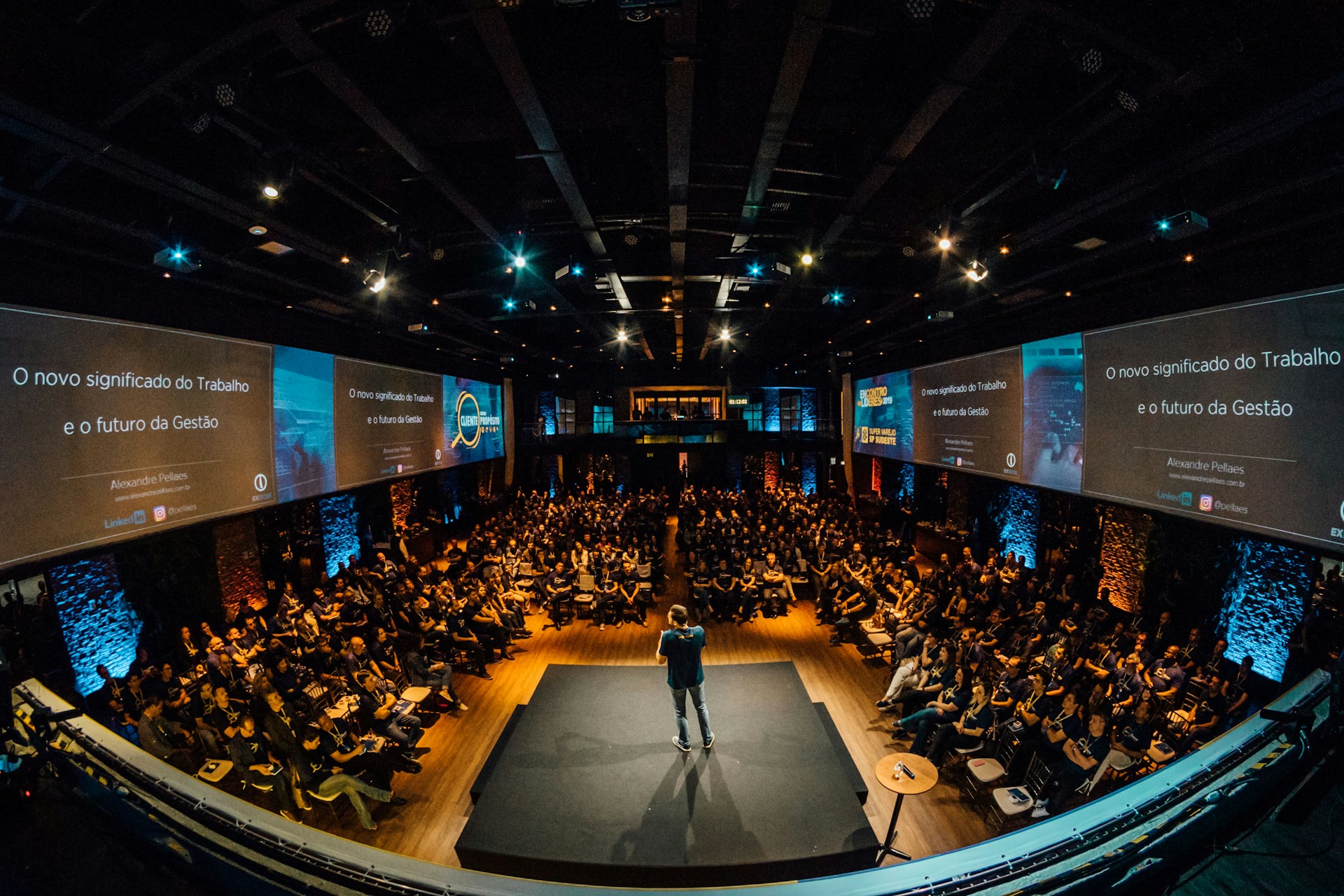
European Commission publishes recordings of its 32-session programme from Hannover Messe 2026
- Categories
- Industrial Software & Technology Providers Machine Tool Manufacturers Other +16 more