

News & articles
15 September 2026
Finland grants €26.6 million to three biogenic carbon capture projects
News & articles
15 September 2026
Login / create an account to be able to react
-
<a href="/user/login?destination=/chemicals/news-articles/finland-grants-eu266-million-three-biogenic-carbon-capture-projects%23comment-form">Log in</a> or <a href="/user/register?destination=/chemicals/news-articles/finland-grants-eu266-million-three-biogenic-carbon-capture-projects%23comment-form">register</a> to post comments
-
17
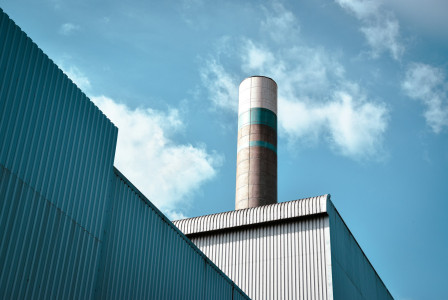
Finland's Ministry of Economic Affairs and Employment has awarded €26.6 million to three industrial biogenic carbon capture projects, including a pulp mill capturing CO2 for use in electrofuels. The funding illustrates how carbon capture technologies originally developed for the forestry and biogas sectors are increasingly converging with the feedstock strategies chemical producers are exploring for synthetic fuels and carbon-based products.
Editorial team
Ministry of Economic Affairs and Employment of Finland
Topics
Finland
Company with 250 or more employees
EU Institutions
National authorities
-
Policy type
-
-
Green transition
-
Share
The largest grant, €21 million, went to Metsä Fibre for a plant capturing CO2 from flue gases at its Rauma pulp mill, with a capacity of 100,000 tonnes per year; two biogas plants, operated by Nurmon Bioenergia and Suomen Lantakaasu, received smaller grants for lower-capacity capture units. Projects must begin capturing CO2 by 2030 and continue operating at least until 2035, with the captured carbon either permanently stored or converted into products such as electrofuels.
Biogenic CO2 from sources like pulp mills is increasingly viewed as a viable feedstock option for carbon-based chemicals and synthetic fuels, alongside captured industrial CO2 more broadly, as producers look for alternatives to fossil-derived carbon that can help meet both emissions targets and feedstock security goals. The distinction between biogenic and fossil carbon sources also matters for how these products are treated under EU climate accounting rules, an area where clarity remains limited.
The Ministry noted that CO2 capture progress across the EU has been slower than expected, citing high costs and incomplete regulation as key barriers to investment. It pointed to the Commission's summer 2026 proposed amendments to the Emissions Trading Directive as a step that could increase demand for capture solutions by tightening the economics around emissions allowances, though it remains unclear whether the changes go far enough to meaningfully accelerate investment at the pace needed to meet 2030 and 2035 climate targets, a concern echoed by energy-intensive industries relying on similar carbon capture and utilisation pathways to remain competitive.
#IndustrialDecarbonisation #FeedstockDiversification #CleanEnergyForIndustry
Comments (0)
Connected Partnership Opportunities
See also
Commission approves EUR 408 million Spanish State aid scheme to support decarbonisation of industry, in line with Clean Industrial Deal objectives
- Categories
- Green transition

EU Survey: Gaps in the Single Market Notification Obligations System
- Categories
- Digital transition EU Policy Green transition
Commission unveils 2026 work programme
- Categories
- Digital transition EU Policy Green transition