
Sectorial reports
14 October 2026
JRC study finds hydrogen expansion unlikely to strain most EU water supplies
Sectorial reports
14 October 2026
Login / create an account to be able to react
-
4
A Joint Research Centre report modelling water demand for fossil-based and electrolytic hydrogen production through 2030 and 2050 concludes that most plants will operate in basins with low to moderate water stress. Only about one in ten plants could face noticeable competition for freshwater under pessimistic climate scenarios, with Spain, Italy and Portugal showing the highest risk.
Editorial team
Joint Research Centre
Topics
EU-27
Italy
Portugal
Spain
Company with 250 or more employees
EU Institutions
Industry Associations and Chambers of Commerce
National authorities
Regional Authorities
-
Policy type
-
-
Green transition
-
Share
Hydrogen production by electrolysis consumes roughly 18 to 22 litres of water per kilogram of hydrogen. That is modest compared with agricultural uses, but the demand becomes significant when concentrated in the industrial hubs that host production facilities. The JRC analysis assumes that all demand is met with freshwater, which makes its conclusions a cautious baseline, and it describes the outlook as cautiously optimistic while warning that water management should be planned in advance in water-scarce regions such as the Iberian Peninsula.
The report calls for water-smart planning. Alternative sources should be prioritised where possible, in particular desalinated seawater in coastal regions, and wastewater or brackish water could further reduce pressure on freshwater. The EU’s new 10% water-use efficiency target for 2030 should be built into hydrogen project planning, the siting of hydrogen hubs should be assessed against basin-level water availability, and investment in water reuse infrastructure is recommended, particularly in industrial clusters. The JRC also points to the need for consistent data across production pathways, seasonal monitoring of water stress, and further assessment of the environmental impact of desalination and direct seawater electrolysis.
Water availability therefore joins electricity prices and infrastructure access among the factors that shape where electrolytic hydrogen is produced. It is a consideration for the ammonia, methanol and other hydrogen-dependent production sites and industrial clusters expected to anchor much of the demand, particularly in southern Europe. The study was published while an update of the EU Hydrogen Strategy is being prepared.
#HydrogenInfrastructure #ResourceEfficiency #FeedstockDiversification
Documents
Comments (0)
Connected Partnership Opportunities
See also
Cefic publishes its first Chemical Trends Report for 2026 (January to March)
- Categories
- Digital transition EU Policy Green transition
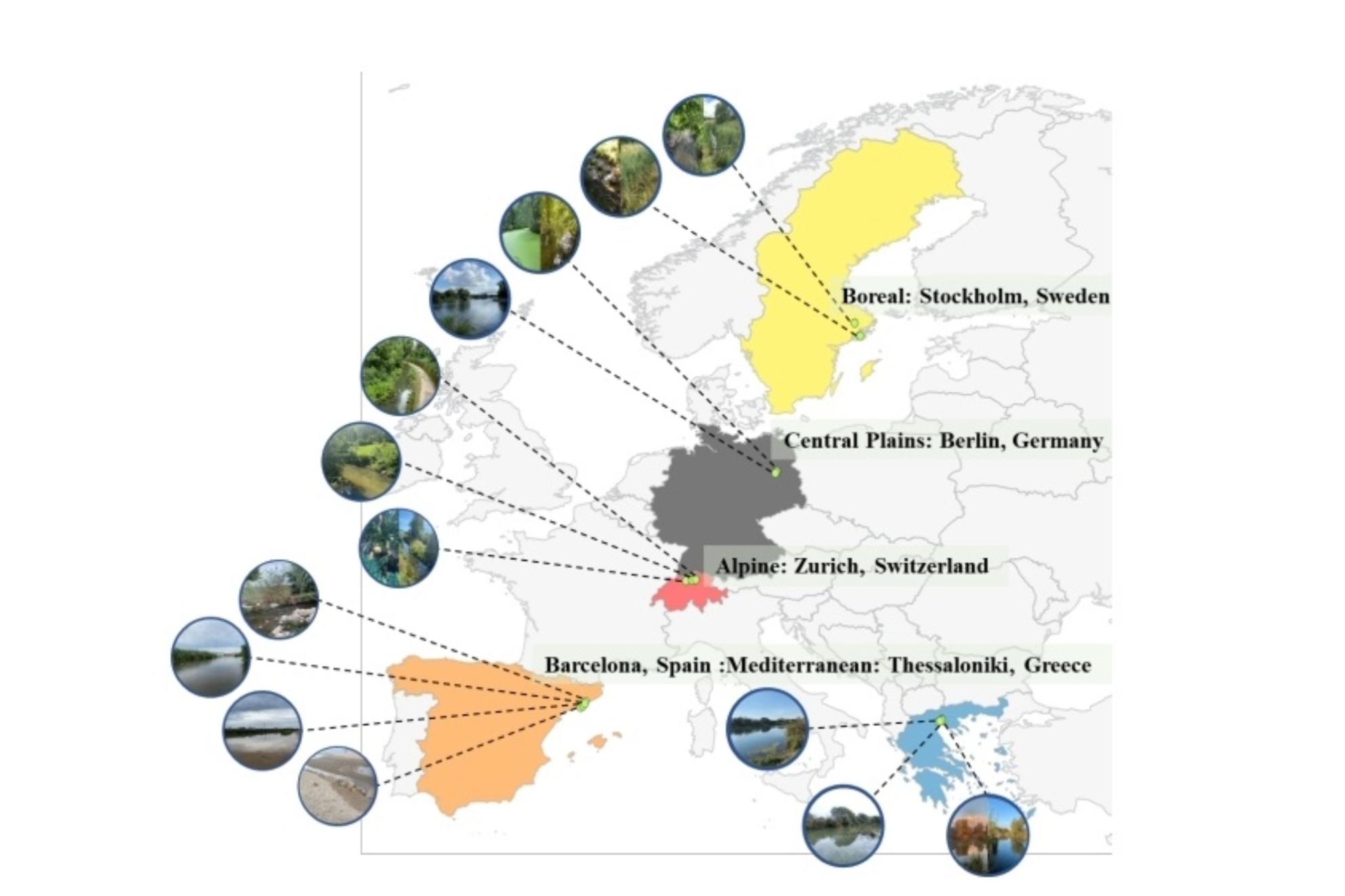
New study reveals major variability in chemical biodegradation across European rivers
- Categories
Cefic and Advancy report highlights pathways to strengthen EU chemical industry competitiveness
- Categories