

Articles
28 July 2026
EU trade briefing highlights sustainability challenges and evolving trade dynamics in the textile sector
Articles
28 July 2026
Login / create an account to be able to react
-
27
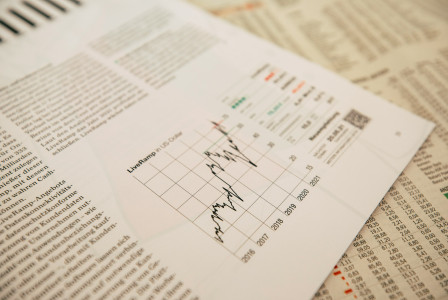
The briefing EU trade in textiles: Import and export flows examines how evolving EU trade policies and sustainability legislation are reshaping textile imports, exports and global supply chains, highlighting the need for greater transparency, regulatory coherence and support for businesses adapting to new requirements.
Topics
Albania
Armenia
Austria
Belgium
Bosnia and Herzegovina
Bulgaria
Croatia
Cyprus
Czechia
Denmark
Estonia
EU-27
Finland
France
Georgia
Germany
Greece
Hungary
Iceland
Ireland
Italy
Kosovo
Latvia
Liechtenstein
Lithuania
Luxembourg
Malta
Moldova
Montenegro
Netherlands
North Macedonia
Norway
Poland
Portugal
Romania
Serbia
Slovakia
Slovenia
Spain
Sweden
Switzerland
Türkiye
Ukraine
Other
Academic / Research and VET Institutions
Business Support Organisation
Company with 250 or more employees
Cluster Organisations
Consumer Organisations
EU Institutions
Industry Associations and Chambers of Commerce
International Organisations
National authorities
Networks and Federations / Confederations
NGOs / Non-profits
SMEs (a company with less than 250 employees)
Social Economy Entity
Trade Unions
-
Transition Pathway's building blocks
-
-
Ecosystem's readiness to support EU strategic autonomy and defence efforts
-
Sustainable competitiveness
-
-
Industrial ecosystems
-
-
Textile
-
-
Textiles ecosystem areas
-
-
Fibres, yarns and fabrics
-
Apparel and clothing accessories
-
Household/interior textiles
-
Technical textiles
-
Leather and fur
-
Research and Innovation
-
Waste management, reuse and repair
-
Business support and Communication
-
Share
The briefing EU trade in textiles: Import and export flows, published by the European Parliament’s Directorate-General for External Policies and authored by Dr Toni Sharma (June 2026), examines European Union textile and clothing trade between 2014 and 2023. Covering both imports of new textiles and exports of used textiles, the publication analyses trade patterns, sustainability challenges, regulatory developments and policy responses, while exploring how evolving EU legislation may affect global textile value chains and partner countries.
Key Takeaways
- The EU remains highly dependent on imported clothing while maintaining strengths in higher-value textile products. The briefing finds that labour-intensive clothing imports are concentrated among a limited number of supplier countries, including China, Bangladesh, Türkiye, Vietnam and India, whereas EU exports are stronger in higher-value and technical textile products.
- Used textile exports have become an increasingly important policy issue. Although they account for a relatively small share of the EU’s textile export value, used textile exports remain significant in volume and are closely linked to reuse, recycling and waste management systems in Africa and Asia. The report highlights the need for greater transparency regarding the quality and destination of exported textiles.
- New EU sustainability legislation is reshaping textile trade requirements. Measures such as the Corporate Sustainability Due Diligence Directive (CSDDD), the Ecodesign for Sustainable Products Regulation (ESPR), Digital Product Passports and the Forced Labour Regulation are expected to strengthen traceability, product information and sustainability requirements across textile value chains.
- Smaller exporters may face indirect compliance challenges. While many sustainability obligations apply directly to larger companies, SMEs in partner countries may experience increasing documentation, traceability and compliance requirements through buyer expectations and supply-chain demands.
- Trade policy should better support sustainable and responsible textile value chains. The briefing recommends improving transparency in used textile exports, strengthening Digital Product Passport implementation, supporting labour standards through trade instruments and ensuring that sustainability requirements are implemented in a proportionate manner for smaller businesses.
- International cooperation remains essential for effective implementation. Comparative analysis of Bangladesh, Vietnam and India shows that adaptation to EU sustainability requirements is most successful when regulatory measures are combined with institutional support, predictable transition periods and practical assistance for businesses.
The briefing highlights the growing interaction between EU trade policy, sustainability objectives and textile value chains. It concludes that improving transparency, strengthening regulatory coherence and supporting businesses throughout the transition will be essential to achieving a more sustainable, competitive and resilient textile sector.
For full details, readers are encouraged to refer to the original report European Union Website.
Comments (0)
Connected Partnership Opportunities
See also
Introducing the ‘Themed Discussion Days’ on the EU Textiles Ecosystem Platform
- Categories
- Infrastructure Investments and funding R&I, techniques and technological solutions +26 more
A platform that connects, informs and inspires: highlights from the 2025 community engagement survey
- Categories
- Infrastructure Investments and funding R&I, techniques and technological solutions +28 more

The video tutorial on the EU Textiles Ecosystem Platform is now live!
- Categories
- Infrastructure Investments and funding R&I, techniques and technological solutions +26 more