

Articles
23 September 2026
New process removes up to 99% of colour from cotton textile waste
Articles
23 September 2026
Login / create an account to be able to react
-
12
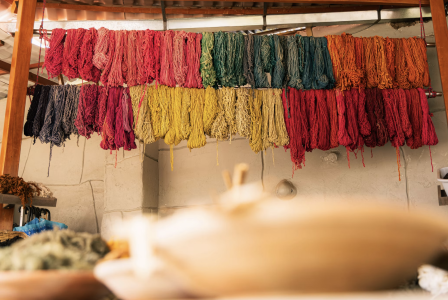
Researchers at Aalto University have developed a treatment that removes colour from dyed cotton while preserving most of the fabric’s strength. The process could make more textile waste suitable for recycling into new products.
National Center for Biotechnology Information
Topics
Finland
Academic / Research and VET Institutions
Company with 250 or more employees
SMEs (a company with less than 250 employees)
-
Transition Pathway's building blocks
-
-
R&I, techniques and technological solutions
-
-
Industrial ecosystems
-
-
Textile
-
-
Textiles ecosystem areas
-
-
Fibres, yarns and fabrics
-
Research and Innovation
-
Waste management, reuse and repair
-
Share
Researchers at Aalto University in Finland have developed a process that removes up to 99.3 per cent of colour from dyed cotton textile waste.
Colour is a major challenge in textile recycling because dyes can remain attached to cotton fibres and affect the quality and appearance of recycled material. Removing them without significantly damaging the cotton is therefore important for returning textile waste to production.Colour is a major challenge in textile recycling because dyes can remain attached to cotton fibres and affect the quality and appearance of recycled material. Removing them without significantly damaging the cotton is therefore important for returning textile waste to production.
The process removes the dye in two stages. First, the fabric is treated with sodium dithionite, which breaks down the parts of the dye molecules responsible for producing colour. Hydrogen peroxide is then used to oxidise the remaining dye residues, leaving the fabric white enough to be recycled or dyed again.
During testing, the treated fabric retained an average of 87.2 per cent of its original tensile strength and experienced a maximum weight loss of 3.5 per cent. Further analysis found only limited damage to the cellulose structure.
The researchers also successfully redyed the treated fabric, which absorbed colour evenly. This indicates that the treated cotton could be reused in new textile products without the original dye affecting its colour.
For further information, please read more on NIH.
Comments (0)
Connected Partnership Opportunities
See also

Space Technologies as Enablers of Sustainable Fashion
- Categories
- R&I, techniques and technological solutions Skills Sustainable competitiveness +13 more
European Fashion Council
- Categories
- Investments and funding R&I, techniques and technological solutions Skills +13 more

Navigating supply chain shocks: balancing agility with due diligence
- Categories
- Infrastructure Investments and funding R&I, techniques and technological solutions +16 more