

Articles
25 September 2026
Shedding to Solutions report identifies solutions to reduce microfibre pollution from textile production
Articles
25 September 2026
Login / create an account to be able to react
-
59
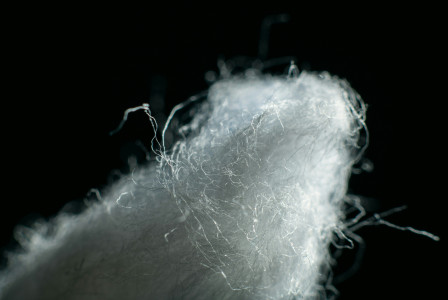
The recent Shedding to Solutions report estimates that global textile production generates more than 92,000 tonnes of microfibre losses each year. It finds that coordinated improvements in manufacturing, wastewater treatment and sludge management could significantly reduce the amount entering the environment.
Earth Action; the Nature Conservancy
Topics
Albania
Armenia
Austria
Belgium
Bosnia and Herzegovina
Bulgaria
Croatia
Cyprus
Czechia
Denmark
Estonia
EU-27
Finland
France
Georgia
Germany
Greece
Hungary
Iceland
Ireland
Italy
Kosovo
Latvia
Liechtenstein
Lithuania
Luxembourg
Malta
Moldova
Montenegro
Netherlands
North Macedonia
Norway
Poland
Portugal
Romania
Serbia
Slovakia
Slovenia
Spain
Sweden
Switzerland
Türkiye
Ukraine
Other
Academic / Research and VET Institutions
Company with 250 or more employees
Industry Associations and Chambers of Commerce
NGOs / Non-profits
SMEs (a company with less than 250 employees)
-
Transition Pathway's building blocks
-
-
Infrastructure
-
R&I, techniques and technological solutions
-
-
Industrial ecosystems
-
-
Textile
-
-
Textiles ecosystem areas
-
-
Fibres, yarns and fabrics
-
Research and Innovation
-
Technology and Machinery
-
Waste management, reuse and repair
-
Share
A new report by Earth Action, in partnership with The Nature Conservancy, provides data on global microfibre pollution from textile production and examines how these emissions could be reduced.
Microfibre shedding occurs when tiny strands break away from textiles during production. These fibres can enter rivers and seas through wastewater or reach land through the disposal of wastewater sludge. This form of pollution can come from both natural and synthetic textiles and depends mainly on how they are manufactured and treated.
The report estimates that manufacturing generated more than 92,000 tonnes of global microfibre losses in 2024. This represents approximately 670 milligrams of fibres released into wastewater for every kilogram of textile produced.
Existing industrial and municipal wastewater infrastructure prevents approximately 37 per cent of production related microfibre losses from reaching the environment. However, an estimated 58,000 tonnes still escape each year, including 17,000 tonnes entering aquatic environments and 41,000 tonnes reaching land.
The report compares several measures for reducing this leakage. Improving manufacturing processes, including reducing mechanical agitation and abrasive finishing, could reduce total leakage by an estimated 20 per cent by 2032. In addition, upgrading wastewater treatment would capture more fibres before the water is released. These fibres collect in sludge, the solid waste left after treatment. Safely managing this sludge could reduce total leakage by 43 per cent.
Combining improvements in manufacturing, wastewater treatment and sludge management could reduce production-related microfibre leakage by up to 95 per cent by 2032. The report also identifies product design as an important opportunity, as changes to textile construction and finishing can reduce microfibre pollution at its source.
For further information, please read the From Shedding to Solutions report.
Comments (0)
Connected Partnership Opportunities
See also

Realism over optimism in Europe’s textile-to-textile recycling future
- Categories
- Investments and funding R&I, techniques and technological solutions Sustainable competitiveness +11 more

Introducing the ‘Themed Discussion Days’ on the EU Textiles Ecosystem Platform
- Categories
- Infrastructure Investments and funding R&I, techniques and technological solutions +26 more

The video tutorial on the EU Textiles Ecosystem Platform is now live!
- Categories
- Infrastructure Investments and funding R&I, techniques and technological solutions +26 more