

Library and support resources
18 November 2025
A glocality perspective towards valorising textile circular supply chains
Library and support resources
18 November 2025
Login / create an account to be able to react
-
43

In ‘A glocality perspective towards valorising textile circular supply chain configurations and dichotomies,’ R. Pal et al. propose that successful circular textile systems blend global industrial networks with local repair, reuse and material-loop practices, addressing key tensions in scale, sourcing and resilience.
Topics
Albania
Armenia
Austria
Belgium
Bosnia and Herzegovina
Bulgaria
Croatia
Cyprus
Czechia
Denmark
Estonia
EU-27
Finland
France
Georgia
Germany
Greece
Hungary
Iceland
Ireland
Italy
Kosovo
Latvia
Liechtenstein
Lithuania
Luxembourg
Malta
Moldova
Montenegro
Netherlands
North Macedonia
Norway
Poland
Portugal
Romania
Serbia
Slovakia
Slovenia
Spain
Sweden
Switzerland
Türkiye
Ukraine
Other
Academic / Research and VET Institutions
Business Support Organisation
Company with 250 or more employees
EU Institutions
Industry Associations and Chambers of Commerce
International Organisations
Local Authorities
National authorities
Networks and Federations / Confederations
NGOs / Non-profits
Regional Authorities
SMEs (a company with less than 250 employees)
Social Economy Entity
-
Transition Pathway's building blocks
-
-
Investments and funding
-
R&I, techniques and technological solutions
-
Skills
-
Social dimension
-
Sustainable competitiveness
-
-
Industrial ecosystems
-
-
Textile
-
-
Textiles ecosystem areas
-
-
Fibres, yarns and fabrics
-
Apparel and clothing accessories
-
Household/interior textiles
-
Technical textiles
-
Leather and fur
-
Footwear
-
Research and Innovation
-
Technology and Machinery
-
Waste management, reuse and repair
-
Share
The article ‘A glocality perspective towards valorising textile circular supply chain configurations and dichotomies’ examines how circular economy principles can be applied within textile supply chains through a ‘glocality’ lens that is, combining global and local perspectives. It explores how textile firms navigate global supply-chain pressures while engaging local stakeholders to advance circular business models.
Drawing on an analysis of supply-chain configurations and underlying dichotomies (such as scale versus locality, global sourcing versus local re-use), the researchers identify key tensions and strategies enabling circular textile systems. The study emphasises that valorising circular practices requires alignment between global industrial frameworks and local socio-economic realities; for instance, sourcing reclaimed materials locally even as production remains globally integrated. The work further suggests that circular supply-chain models must address both global environmental goals and local community-level dynamics to be effective.
Key Insights
- A ‘glocality’ approach highlights the need for textile firms to balance global efficiency with local stakeholder engagement when implementing circular supply-chain models.
- Circular textile configurations often face dichotomies such as global versus local sourcing, and scale economies versus local material loops; recognising these tensions is vital for design of effective circular systems.
- The study suggests that valorisation of circular practices depends on re-connecting local regeneration (repair, reuse, remanufacture) with global value-chain frameworks rather than treating them as separate pathways.
- Localised resource loops (for example, local collection or material reclamation) paired with global distribution networks may lead to more resilient circular textile models.
- Ensuring that circular strategies work at both local and global levels, the authors argue, can enhance both sustainability outcomes and economic viability in the textile sector.
This article provides a useful framework for understanding how the textile industry can operationalise circular supply chains by integrating global industrial logic with local circular initiatives.
For full details, you can read ‘A glocality perspective towards valorising textile circular supply chain configurations and dichotomies’ by R. Pal et al. on the Resources, Conservation & Recycling website.
Comments (0)
Connected Partnership Opportunities
See also
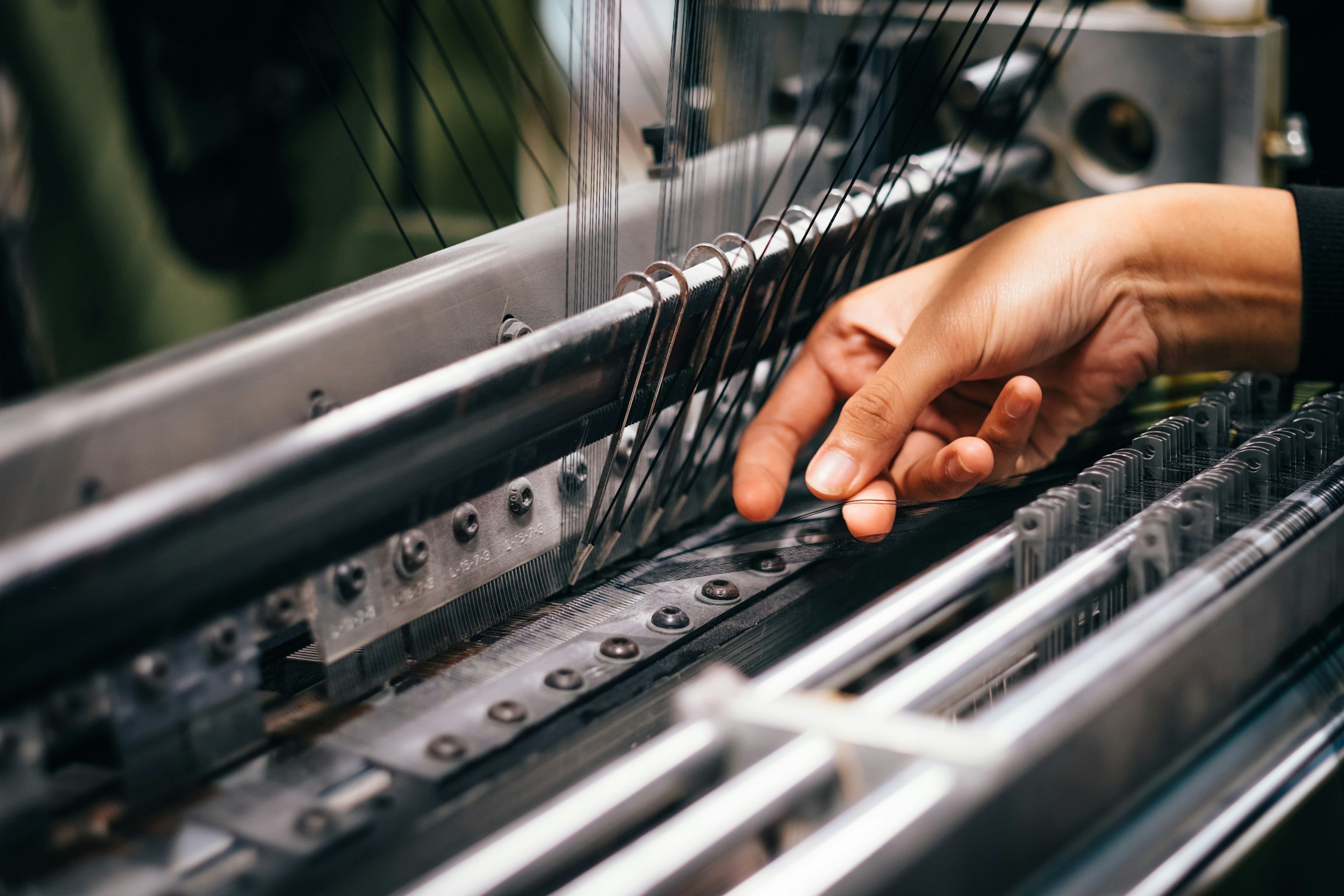
The EU’s 2024 Industrial Report reveals green and digital pathways for textiles transformation
- Categories
- Infrastructure Investments and funding R&I, techniques and technological solutions +16 more
Get the most out of the EU Textiles Ecosystem Platform: the Beginner kit is now available
- Categories
- Infrastructure Investments and funding R&I, techniques and technological solutions +28 more
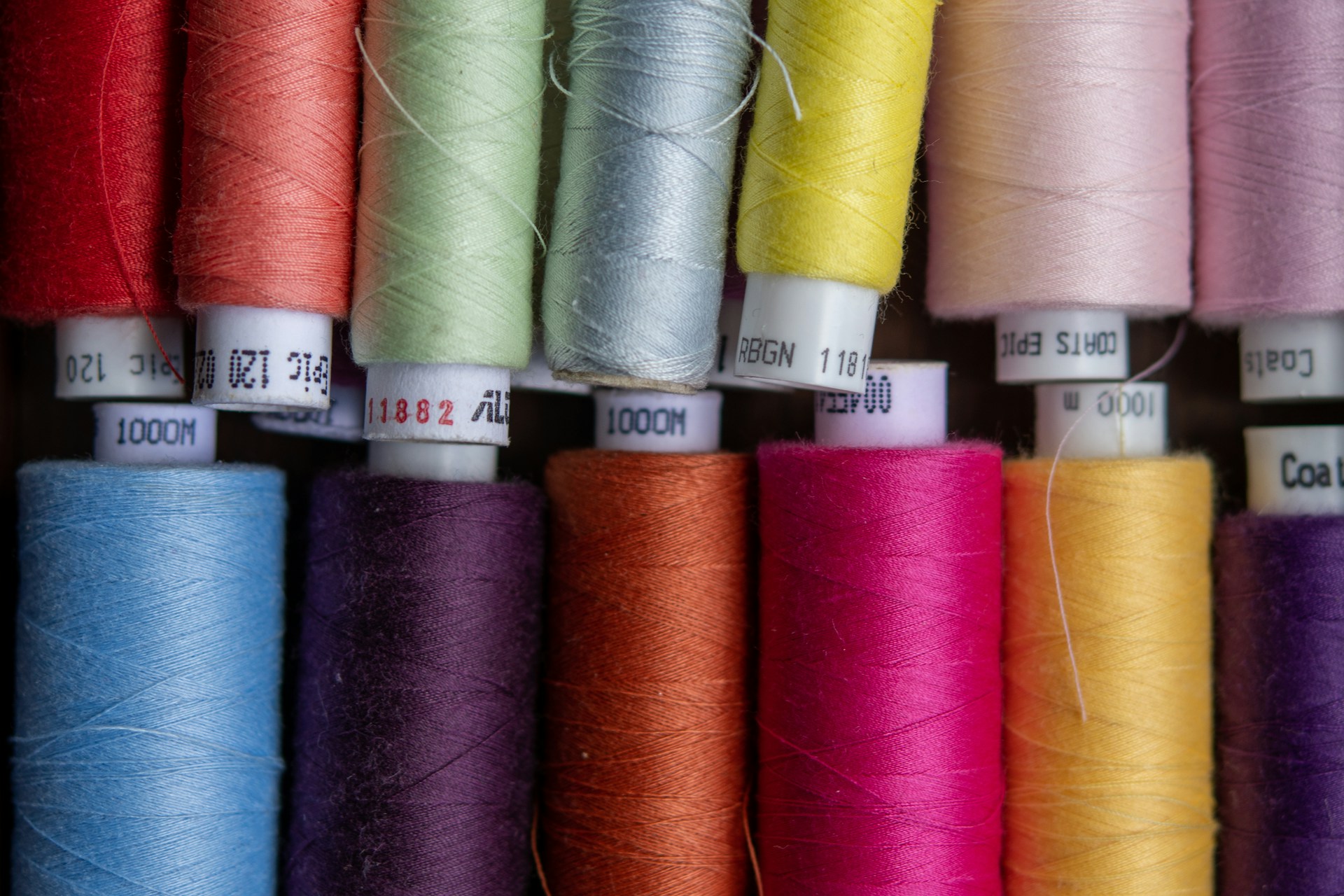
The EIT KICs Position Paper for a Circular and Sustainable Fashion and Textiles Industry in Europe
- Categories
- Infrastructure Investments and funding R&I, techniques and technological solutions +20 more