

News
25 February 2026
Commission adopts new measures to stop the destruction of unsold clothes and shoes
News
25 February 2026
Login / create an account to be able to react
-
173
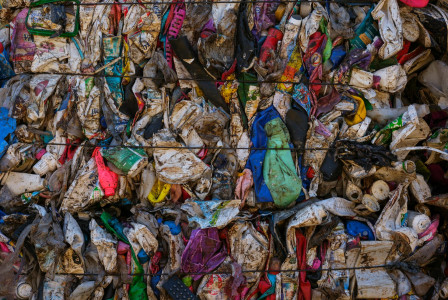
The European Commission has adopted new measures under the Ecodesign for Sustainable Products Regulation to prevent the destruction of unsold textiles and footwear. The rules clarify when destruction is permitted, introduce standardised disclosure requirements, and support the textile sector’s transition towards circular and sustainable practices across the EU.
Topics
EU-27
Business Support Organisation
Company with 250 or more employees
Cluster Organisations
Consumer Organisations
EU Institutions
Industry Associations and Chambers of Commerce
International Organisations
Local Authorities
National authorities
NGOs / Non-profits
Regional Authorities
SMEs (a company with less than 250 employees)
Social Economy Entity
-
Transition Pathway's building blocks
-
-
Social dimension
-
Sustainable competitiveness
-
Regulation and public governance
-
-
Industrial ecosystems
-
-
Retail
-
Textile
-
-
Textiles ecosystem areas
-
-
Fibres, yarns and fabrics
-
Apparel and clothing accessories
-
Household/interior textiles
-
Technical textiles
-
Leather and fur
-
Waste management, reuse and repair
-
Share
The European Commission adopted new measures under the Ecodesign for Sustainable Products Regulation (ESPR) to prevent the destruction of unsold apparel, clothing accessories and footwear. By promoting reuse and recycling, these measures will help cut waste, reduce environmental damage and create a level playing field for companies. And as a result, the textile sector can move faster towards more circular practices and is another step in promoting a circular economy throughout the EU.
The new measures will support businesses in complying with the requirements regarding the destruction of unsold textiles under the ESPR. They clarify under which circumstances the destruction will be permitted – for instance, due to safety reasons or product damage. They also introduce a standardised format for businesses to disclose the volumes of unsold consumer goods they discard, in the simplest possible way without adding extra administrative burden.
Every year in Europe, an estimated 4-9% of unsold textiles are destroyed before ever being worn. This waste generates around 5.6 million tonnes of CO2 emissions, which is almost equal to Sweden’s total net emissions in 2021. The ESPR, which entered into force in July 2024, aims to significantly improve the sustainability of products placed on the EU market by improving their circularity, energy performance, recyclability and durability. It requires companies to disclose information on the unsold consumer products they discard as waste. It also introduces a ban on the destruction of unsold apparel, clothing accessories and footwear. This responds to consumers’ growing concerns about textile waste due to the environmental and social impacts of fast fashion.
The ban on destruction will apply to large companies from 19 July 2026 and medium-sized companies are expected to follow in July 2030. The rules on disclosure under ESPR already apply to large companies and will also apply to medium-sized companies in 2030.
Commissioner for Environment, Water Resilience and a Competitive Circular Economy Jessika Roswall said: "The textile sector is leading the way in the transition to sustainability but there are still challenges. The numbers on waste show the need to act. With these new measures the textile sector will be empowered to move towards sustainable and circular practices, and we can boost our competitiveness and reduce our dependencies.”
Readers can find more information online.
Comments (0)
Connected Partnership Opportunities
See also

Share your views: Take part in the Stakeholder Support Platform (SSP) survey by 8 May 2026
- Categories
- Infrastructure Investments and funding R&I, techniques and technological solutions +28 more

EU channels €207 billion towards Digital Decade goals
- Categories
- Infrastructure Investments and funding R&I, techniques and technological solutions +28 more

EURATEX supports the Digital Product Passport: when well designed, the DPP can drive sustainability across Europe’s textile value chain
- Categories
- Infrastructure Investments and funding R&I, techniques and technological solutions +28 more