

Opinions
05 December 2025
Dopamine dressing and the fast-fashion feedback loop: why Europe needs a new textile culture
Opinions
05 December 2025
Login / create an account to be able to react
-
659
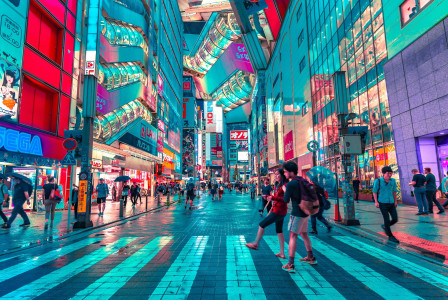
Dopamine-driven shopping habits, intensified by fast fashion and social media dynamics, are reshaping how people relate to clothing. The constant push for novelty fuels impulsive purchases that often lead to environmental strain, overproduction and short-lived use. Within the European textile landscape, this pattern highlights the need to rethink not only how clothing is made but how it is marketed and experienced. Encouraging slower, more mindful forms of consumption, grounded in durability, care and genuine personal expression, can help create a healthier and more sustainable future for the sector.
Il Vestito Verde
Topics
Albania
Armenia
Austria
Belgium
Bosnia and Herzegovina
Bulgaria
Croatia
Cyprus
Czechia
Denmark
Estonia
EU-27
Finland
France
Georgia
Germany
Greece
Hungary
Iceland
Ireland
Italy
Kosovo
Latvia
Liechtenstein
Lithuania
Luxembourg
Malta
Moldova
Montenegro
Netherlands
North Macedonia
Norway
Poland
Portugal
Romania
Serbia
Slovakia
Slovenia
Spain
Sweden
Switzerland
Türkiye
Ukraine
Other
Consumer Organisations
-
Transition Pathway's building blocks
-
-
Social dimension
-
-
Industrial ecosystems
-
-
Textile
-
-
Textiles ecosystem areas
-
-
Apparel and clothing accessories
-
Share
The idea of “dopamine dressing” has been circulating widely in the fashion world, often presented as something colourful and empowering. But behind that cheerful image lies a more complex psychological and environmental issue. As described by Il Vestito Verde, the pleasure we feel when buying new clothes is not just a lighthearted emotion; it is a neurological reaction that brands have learned to stimulate with remarkable precision. Every notification, every flash sale, every “limited stock” label is designed to activate the brain’s reward system, encouraging us to buy before consumers even realise why.
The acceleration of ultra-fast fashion has made this response almost automatic. Platforms release thousands of new garments in a matter of days, turning novelty into a constant expectation. At the same time, social media has transformed shopping into a public performance. Unboxings and “hauls” are shared widely, and the act of purchasing becomes a content creation tool rather than a thoughtful choice. The excitement is real but fleeting, often followed by a subtle disappointment that can only be resolved, again, by buying more. What could be a positive relationship with clothing risks becoming a cycle that looks more like compulsion than self-expression.
For the European textile ecosystem, this dynamic carries serious consequences. Each impulse purchase contributes to a chain of overproduction, pressure on manufacturing systems, and an overwhelming amount of textile waste. Many garments are worn only briefly before being discarded, creating significant environmental and logistical challenges. The human cost is equally concerning: unrealistic production volumes, unstable working conditions and the growing disconnect between what clothes are worth and what they are sold for.
This is precisely why the European ecosystem should to address not only how textiles are produced, but how they are consumed and perceived. Circularity and technological innovation are essential, but they will not reach their full potential unless they are accompanied by a cultural shift. Consumers deserve to understand how the dopamine feedback loop works and how certain digital marketing strategies encourage impulsive behaviour. At the same time, they should be supported in discovering a different emotional experience with clothing: one rooted in durability, creativity and genuine personal style rather than constant novelty.
There is opportunity here. Europe can help shape new narratives that highlight care, repair, second-hand value, and the pleasure of wearing something chosen deliberately rather than impulsively. Movements like capsule wardrobes and “de-influencing” demonstrate that many people are ready to resist the fast-fashion treadmill and reconnect with a slower, more meaningful way of dressing.
The responsibility does not fall solely on individuals. Platforms, brands and policymakers all have a role in building an environment where healthier consumption habits become the norm rather than the exception. That means rethinking marketing tactics, supporting transparency in production, and ensuring that sustainable choices are accessible and appealing.
If the European textile sector wants to build a resilient and humane future, it must recognise the psychological dimension of consumption. The challenge is not to eliminate the joy of fashion, but to reclaim it, to shift from short-lived dopamine spikes to a deeper, more enduring appreciation of what we wear and why.
Comments (0)
See also

European Innovation Act – a challenging opportunity
- Categories
- R&I, techniques and technological solutions Skills Social dimension +26 more

Registered users only
Do the JRC’s scenarios reflect what the textile industry can actually implement?
- Categories
- Infrastructure Investments and funding R&I, techniques and technological solutions +16 more

Organic, recycled, and conventional wool: what should consumers know?
- Categories
- Sustainable competitiveness Textile Fibres, yarns and fabrics +2 more