

Best practices
23 September 2026
Hungarian city rebrands around forest gastronomy and community collaboration
Best practices
23 September 2026
Login / create an account to be able to react
-
4
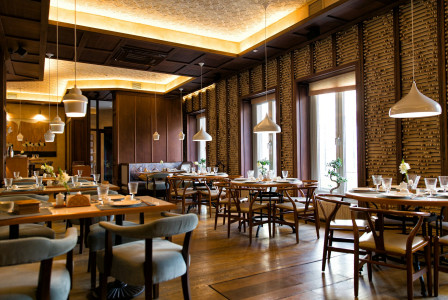
A grassroots network of restaurateurs, winemakers and hoteliers in Miskolc, Hungary has shown how gastronomy can rebuild a destination's identity from the ground up. The award-winning initiative now spans over 30 stakeholders and has folded social inclusion directly into the local tourism economy.
Editorial team
Visit Miskolc
Topics
Hungary
Business Support Organisation
Destination Management & Marketing Organisations
Local Authorities
NGOs / Non-profits
-
Specific types of tourism
-
-
Cultural tourism
-
Gastronomy tourism
-
Rural tourism
-
-
Transition Pathway Strategic Areas
-
-
Best practices, peer learning and networking
-
Governance of tourism destinations
-
Well-being of residents
-
-
Business activities
-
-
Activities of associations and other organisations supporting tourism
-
Restaurants, cafes and bars (Food and Beverage serving activities)
-
Share
For decades, Miskolc struggled with an outdated image shaped by its industrial past, and despite its cultural life and proximity to the Bükk Mountains, tourism development stayed fragmented with no clear plan to use its strongest asset: local food.
Change started from the ground up, when local restaurateurs, winemakers, hoteliers and tourism entrepreneurs formed a grassroots network called Bükki Kör. At its centre is the Edible Forest program, connecting forest managers and chefs to bring seasonal wild ingredients, mushrooms, herbs, berries, foraged game, into restaurant menus, turning the region's biodiversity into a storytelling tool for visitors. The movement gained further traction through GASTOUR, Hungary's first international conference on sustainable gastronomy.
The initiative has since built a network of more than 30 collaborating local stakeholders, boosted demand for local products, and strengthened ties between producers, chefs, guides and accommodation providers. It has also embedded social inclusion into the local tourism economy through a partnership with the Szimbiózis Foundation, which employs people with disabilities whose products now appear in hotels and events. The grassroots effort has since been folded into official destination strategy under the city's new identity: "Miskolc, the City of the Bükk."
#CulinaryTravel #CommunityEngagement #DestinationManagement
Comments (0)
Connected Partnership Opportunities
See also
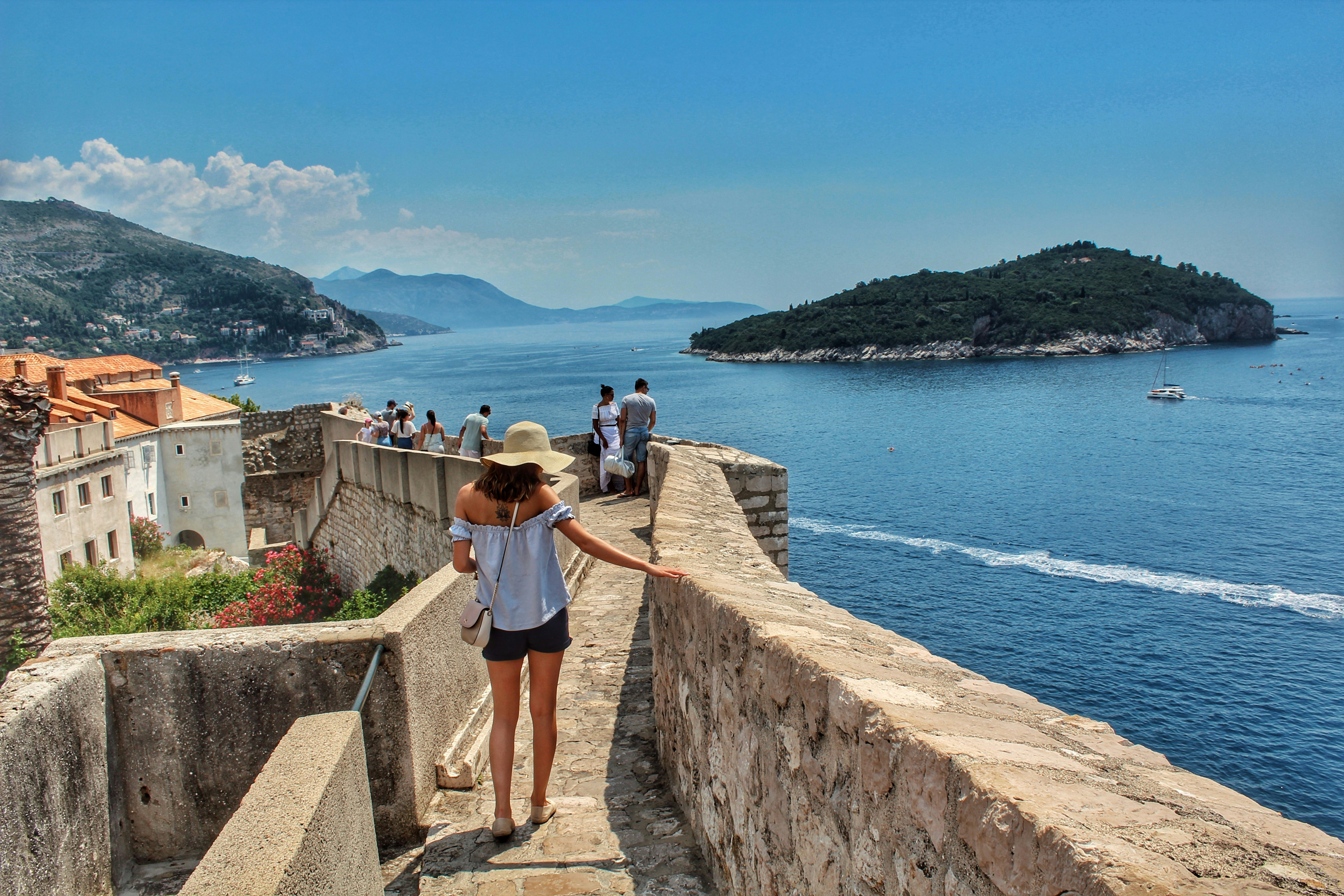
Case study on community engagement in Croatian tourism development
- Categories
- Coastal, maritime and inland water tourism Cultural tourism Ecotourism +13 more

EXPERIENCE: Completed initiative for boosting off-season tourism
- Categories
- Coastal, maritime and inland water tourism Cultural tourism Ecotourism +38 more

OUR WAY: Completed initiative for natural and cultural heritage preservation
- Categories
- Cultural tourism Ecotourism Mountain tourism +9 more