

Data
19 November 2025
ETC Report Reveals Europe’s Tourism Resilience Amid Cost Challenges and Emerging Trends
Data
19 November 2025
Login / create an account to be able to react
-
500

Despite facing record heatwaves and increased costs, Europe’s tourism industry shows remarkable resilience with a projected rise in traveler spending and shifting travel habits. Discover how technology and evolving consumer preferences shape Europe's travel landscape to ensure its enduring appeal.
European Travel Commission
European Travel Commission
Topics
Albania
Armenia
Austria
Belgium
Bosnia and Herzegovina
Bulgaria
Croatia
Cyprus
Czechia
Denmark
Estonia
EU-27
Finland
France
Georgia
Germany
Greece
Hungary
Iceland
Ireland
Italy
Kosovo
Latvia
Liechtenstein
Lithuania
Luxembourg
Malta
Moldova
Montenegro
Netherlands
North Macedonia
Norway
Poland
Portugal
Romania
Serbia
Slovakia
Slovenia
Spain
Sweden
Switzerland
Türkiye
Ukraine
Other
Academic / Research and VET Institutions
Business Support Organisation
Company with 250 or more employees
Cluster Organisations
Consumer Organisations
Cultural and Heritage Organisations
Destination Management & Marketing Organisations
EU Institutions
Financial Institutions and Investors
Industry Associations and Chambers of Commerce
International Organisations
Local Authorities
Media / Journalist Organisations
National authorities
Networks and Federations / Confederations
NGOs / Non-profits
Notified Bodies
Regional Authorities
SMEs (a company with less than 250 employees)
Social Economy Entity
Trade Unions
Other
-
Specific types of tourism
-
-
Adventure tourism
-
Coastal, maritime and inland water tourism
-
Cultural tourism
-
Ecotourism
-
Education tourism
-
Festival tourism
-
Gastronomy tourism
-
Health and medical tourism
-
MICE tourism
-
Mountain tourism
-
Religious tourism
-
Rural tourism
-
Sports tourism
-
Urban/city tourism
-
Wellness tourism
-
-
Transition Pathway Strategic Areas
-
-
Changes in tourism demand and opportunities
-
Cross-border travelling
-
Digitalisation of tourism SMEs and destinations
-
Green Transition of Tourism Companies and SMEs
-
R&I on digital tools for tourism
-
Sustainable mobility
-
-
Business activities
-
-
Activities of amusement parks and theme parks
-
Activities of associations and other organisations supporting tourism
-
Air passenger transport
-
Camping grounds, recreational vehicle parks and trailer parks
-
Events catering and other food services
-
Festivals, cultural and entertainment activities
-
Gardens and nature reserves activities
-
Holiday Housing / Apartments and other short stay accommodation
-
Hotel and similar accommodation
-
Mobile beverage services
-
Mobile food services
-
Museums
-
Operation of historical sites
-
Other
-
Other accommodation
-
Other amusement and recreation activities
-
Other food and beverage services
-
Other holiday reservation services
-
Other tourism transportation activities
-
Rail Passenger transport
-
Recreational and sport activities
-
Restaurants, cafes and bars (Food and Beverage serving activities)
-
Road passenger transport
-
Tour operator activities
-
Travel agency activities
-
Water (sea, coastal and inland) passenger transport
-
Share
The European Travel Commission's Q3 2025 report shines a light on the robust and adaptive nature of Europe's tourism sector. Despite facing high temperatures and increased costs, Europe saw a 3% increase in international arrivals and a 2.7% rise in overnight stays, reaffirming its status as a favored global travel destination.
Southern Mediterranean nations like Malta, Cyprus, Spain, and Portugal recorded significant visitor increases driven by sun-and-beach holidays. Meanwhile, Northern European destinations such as Norway, Iceland, and the Baltic states drew visitors with their cooler climates and natural beauty, showcasing Europe’s diverse appeal and capacity to cater to different traveler preferences.
A pivot towards innovative travel planning is evident, with European travelers increasingly utilizing AI to refine their travel plans, avoid crowded periods, and secure better deals. This trend is especially prominent among younger generations, providing European destinations with opportunities to tap into this market by promoting year-round and personalized travel experiences.
Value for money continues to influence travel choices within Europe. Regions like Central and Eastern Europe, including Poland, Hungary, and Slovenia, are leveraging competitive pricing while delivering quality experiences, attracting cost-savvy travelers amid ongoing economic challenges.
Looking forward, the tourism sector is poised for sustained growth, with a predicted 6.8% rise in international arrivals by 2026. This growth underscores Europe's ability to adapt and thrive amidst evolving global travel patterns. For a broader understanding and detailed analysis, readers are encouraged to explore the full report available on the European Travel Commission's website.
#Sustainable tourism #Experiential tourism #Slow travel #Climate action #Green transportation options #Smart destinations #Trends
Comments (0)
Related content


Connected Partnership Opportunities
See also

2nd EU Tourism Platform Onboarding Workshop Material
- Categories
- Coastal, maritime and inland water tourism Cultural tourism Ecotourism +64 more
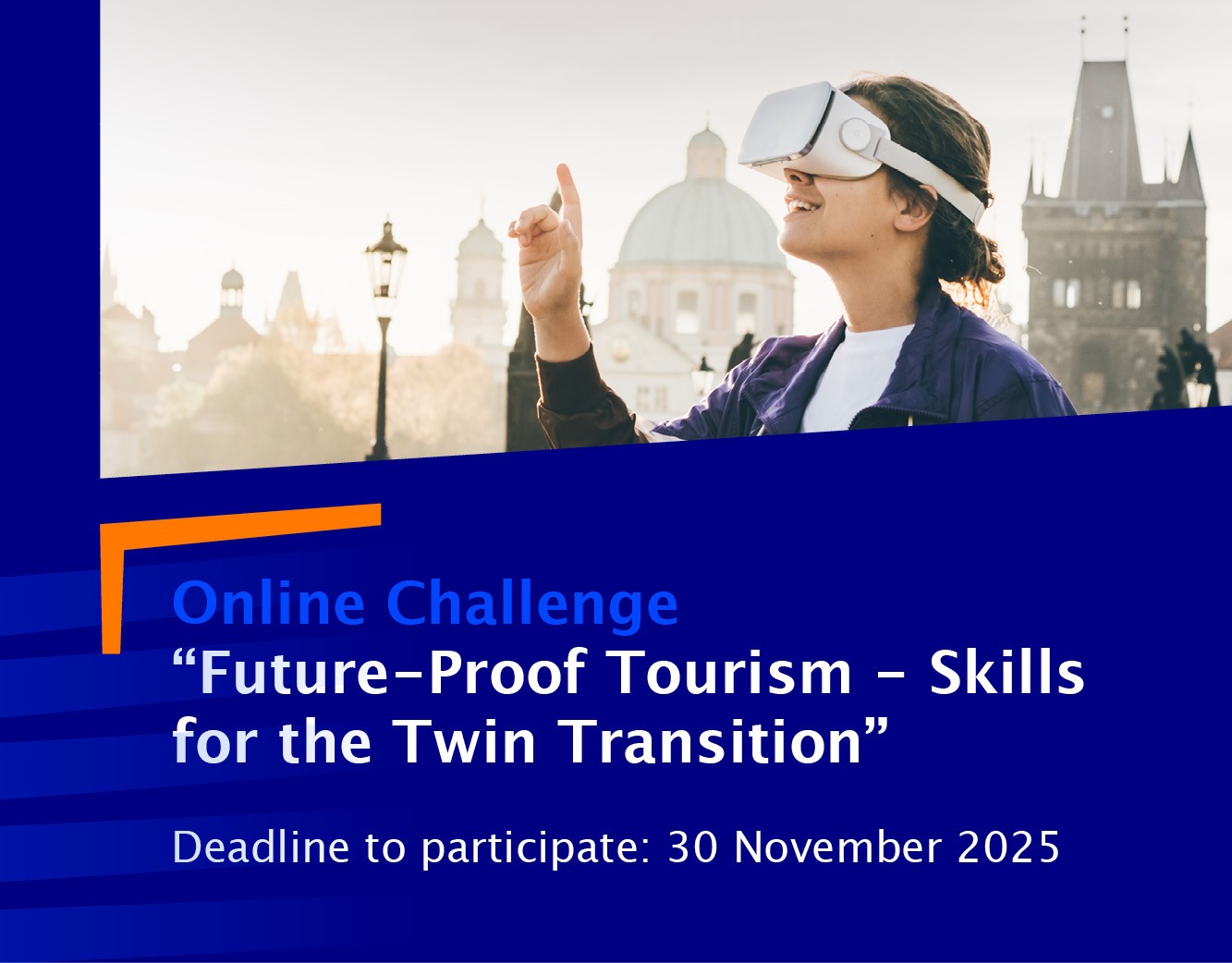
Deadline Extended: Online Challenge “Future-Proof Tourism - Skills for the Twin Transition”
- Categories
- Coastal, maritime and inland water tourism Cultural tourism Ecotourism +64 more

Share Your Feedback on the Transition Pathways Platform - Survey Open Until 8 May
- Categories
- Coastal, maritime and inland water tourism Cultural tourism Ecotourism +64 more