

Data
30 September 2026
Mallorca leads EU regions for tourist nights, Eurostat regional data shows
Data
30 September 2026
Login / create an account to be able to react
-
<a href="/user/login?destination=/tourism/data/mallorca-leads-eu-regions-tourist-nights-eurostat-regional-data-shows%23comment-form">Log in</a> or <a href="/user/register?destination=/tourism/data/mallorca-leads-eu-regions-tourist-nights-eurostat-regional-data-shows%23comment-form">register</a> to post comments
-
9
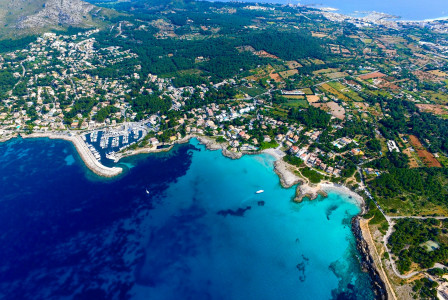
Eurostat's 2026 Regional Yearbook shows the EU recorded 3.02 billion tourist nights in 2024, with international demand growing 27 times faster than domestic demand. Eleven regions, from Mallorca and Tenerife to Rome, Paris and Venice, each recorded over 30 million nights, with clear seasonal and coastal concentration patterns.
Editorial team
Eurostat
Topics
Croatia
EU-27
France
Germany
Italy
Spain
Academic / Research and VET Institutions
Destination Management & Marketing Organisations
National authorities
Regional Authorities
-
Specific types of tourism
-
-
Coastal, maritime and inland water tourism
-
Mountain tourism
-
Urban/city tourism
-
-
Transition Pathway Strategic Areas
-
-
Changes in tourism demand and opportunities
-
Improving statistics and indicators
-
Tools for data on tourism
-
-
Business activities
-
-
Camping grounds, recreational vehicle parks and trailer parks
-
Holiday Housing / Apartments and other short stay accommodation
-
Hotel and similar accommodation
-
Share
According to Eurostat, EU tourist accommodation recorded 3.02 billion nights in 2024, up 2.7% on 2023, with international tourist nights growing 5.5% compared with just 0.2% for domestic tourists. Mallorca recorded the highest total of any region (55.3 million nights) and by far the most international-tourist nights (51.2 million), while Berlin led among domestic tourists (17.6 million). International demand was heavily concentrated: it accounted for at least 65% of nights in 93 regions, mostly coastal areas around the Mediterranean, Alpine mountain regions, and national capitals, while domestic tourists spread more evenly across a much wider range of destinations, outnumbering international nights in 936 of the 1,102 regions studied.
Seasonality remained pronounced, with August (16.4%) and July (15.0%) together accounting for nearly a third of all EU nights in 2024, against January's low of 4.5%. Croatia's Adriatic coast (Jadranska Hrvatska) topped the monthly rankings throughout the summer peak, alongside Spain's Balearic Islands and Catalonia, while Spain's Canary Islands and France's Île-de-France and Rhône-Alpes led in the winter months, reflecting the EU's mix of summer beach tourism and winter mountain and city-break demand.
#TourismIndicators #RegionalTourism #Seasonality
Documents
Comments (0)
Connected Partnership Opportunities
See also

EU Tourism Dashboard: A Comprehensive Tool for Policy Makers and Industry Stakeholders
- Categories
- Coastal, maritime and inland water tourism Cultural tourism Ecotourism +64 more

Europe's Travel Sector Thrives: Spending Outpaces Arrivals in 2025
- Categories
- Coastal, maritime and inland water tourism Cultural tourism Ecotourism +43 more

Elevate Your Insights: Why Data Literacy is a Must-Read for Tourism Innovators
- Categories
- Coastal, maritime and inland water tourism Cultural tourism Ecotourism +50 more