European Union flag
EU Tourism Platform

Tourism in numbers: strong recovery and shifting dynamics in the Swedish visitor economy

Data

16 April 2026

Tourism in numbers: strong recovery and shifting dynamics in the Swedish visitor economy

Adventure tourism

Coastal, maritime and inland water tourism

Cultural tourism

+38 more

Login / create an account to be able to react

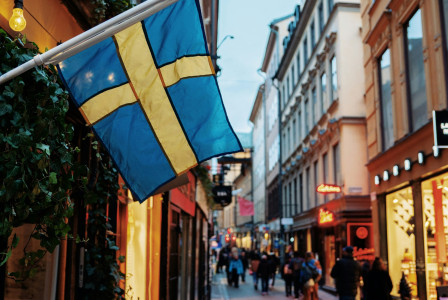
people-at-the-street-between-commercial-buildings-

The latest tourism data from the Swedish Agency for Economic and Regional Growth offers a comprehensive overview of tourism’s impact on the national economy. The figures indicate a robust recovery following the pandemic, increased international interest, and shifting travel trends—underscoring tourism as a steady and vital factor in economic growth, job creation, and regional progress.

Publishing org

Visit Sweden

Related Organisation(s)

Visit Sweden

Topics
Geographical descriptors

Sweden

Organisation Type

Academic / Research and VET Institutions

Destination Management & Marketing Organisations

Local Authorities

Media / Journalist Organisations

National authorities

NGOs / Non-profits

Regional Authorities

  • Specific types of tourism

    • Adventure tourism

    • Coastal, maritime and inland water tourism

    • Cultural tourism

    • Ecotourism

    • Education tourism

    • Gastronomy tourism

    • Health and medical tourism

    • Rural tourism

    • Sports tourism

    • Urban/city tourism

    • Wellness tourism

  • Transition Pathway Strategic Areas

    • Governance of tourism destinations

    • R&I on climate-friendly tourism

    • R&I on digital tools for tourism

    • Tools for data on tourism

  • Business activities

    • Activities of amusement parks and theme parks

    • Activities of associations and other organisations supporting tourism

    • Air passenger transport

    • Camping grounds, recreational vehicle parks and trailer parks

    • Events catering and other food services

    • Festivals, cultural and entertainment activities

    • Gardens and nature reserves activities

    • Holiday Housing / Apartments and other short stay accommodation

    • Hotel and similar accommodation

    • Mobile beverage services

    • Mobile food services

    • Museums

    • Operation of historical sites

    • Other

    • Other accommodation

    • Other amusement and recreation activities

    • Other food and beverage services

    • Other holiday reservation services

    • Other tourism transportation activities

    • Rail Passenger transport

    • Recreational and sport activities

    • Restaurants, cafes and bars (Food and Beverage serving activities)

    • Road passenger transport

    • Tour operator activities

    • Travel agency activities

    • Water (sea, coastal and inland) passenger transport

Share

The latest edition of "Tourism in Numbers" confirms that Sweden’s tourism sector has mostly recovered from the pandemic's impact, reaching levels similar to those before 2020. According to the national tourism accounts, total tourism expenditure in Sweden was about SEK 456 billion in 2024 (adjusted for inflation), a 4% rise from the previous year. A key feature of the Swedish tourism economy remains its strong focus on domestic travellers, who generated roughly SEK 330 billion, while international visitors contributed SEK 126 billion. This underscores the ongoing importance of internal demand, even as international tourism is steadily recovering. 

Meanwhile, inbound tourism is gaining momentum, with international spending now exceeding pre-pandemic levels in real terms, indicating increased attractiveness—especially among European markets. This trend is also evident in accommodation data, with guest nights surpassing 2019 figures, largely driven by foreign visitors. Tourism continues to be a significant part of the national economy, contributing around 2.8% of Sweden’s GDP in 2024, showing gradual growth but still slightly below pre-pandemic levels. Direct tourism value added reached approximately SEK 172 billion, emphasising its economic importance. Employment in tourism-related industries also reflects this recovery, with about 154,000 jobs in 2024. 

Although below 2019 figures, the data suggests stabilisation after the sharp decline during the pandemic. Analysing consumption patterns reveals that about 38% of tourism spending is on goods like fuel, food, and retail purchases, followed by services such as accommodation, transport, and dining. This demonstrates tourism’s extensive economic footprint, extending into retail and other service sectors beyond traditional hospitality.

 The report also notes changes in travel behaviour among Swedes, with a move towards more domestic and leisure travel and a decrease in business trips compared to pre-pandemic times. Tourism still accounts for around 9.5% of household spending in 2024—nearly returning to pre-pandemic levels. However, the data highlights challenges: Sweden maintains a negative tourism balance, with residents spending more abroad than foreign visitors spend domestically, suggesting opportunities to boost inbound tourism and strengthen competitiveness. 

From a broader perspective, the report emphasises tourism's role as a cross-sectoral economic driver. Using the Tourism Satellite Account framework, it captures tourism’s direct effects on consumption, exports, and employment, providing a comprehensive basis for policy and investment strategies. These insights are especially relevant for Europe, mirroring wider trends such as a domestic demand-driven recovery, a gradual return of international travel, and a shift towards leisure-oriented trips. The data also underlines the importance of ongoing investment in competitiveness, sustainability, and international positioning. 

Ultimately, tourism accounts are more than statistics; they serve as strategic tools to understand how tourism contributes to the economy and how it can be further developed. As European destinations transition to more sustainable and resilient models, such data are crucial for informed decision-making and long-term planning.

Read more: https://tillvaxtverket.se/download/18.5edd90e619d8c40b64521e1/1776186033443/Tillv%C3%A4xtverket%20Turismen%20i%20siffror%20-%20Turismr%C3%A4kenskaperna_Tillg.pdf

#Smart Tourism #Report #Sustainable Tourism #


Rating
No votes yet

Comments (0)

Related content

See also

-
Comment
0
  • Data
  • 01 Oct 2025

2022 - Country Reports

What can I find here? The folders contain country reports from: Austria Belgium Bulgaria Croatia Czechia Denmark Estonia Finland Germany Greece Hungary Ireland Italy Latvia...
Categories
Coastal, maritime and inland water tourism Cultural tourism Ecotourism +64 more
-
Comment
0
  • Data
  • 30 Sep 2025

2020 - Country Reports

What can I find here? The folders contain country reports from: Austria Croatia Czechia Finland Germany Greece Hungary Lithuania Netherlands Poland Slovakia Slovenia Spain Sweden
Categories
Coastal, maritime and inland water tourism Cultural tourism Ecotourism +64 more
-
Comment
0
  • Data
  • 15 Sep 2025

2019 - Country Reports

What can I find here? The folders contain country reports from: Croatia Czechia Finland Germany Greece Lithuania Poland Romania Slovakia Spain Sweden
Categories
Coastal, maritime and inland water tourism Cultural tourism Ecotourism +64 more