European Union flag
EU Tourism Platform

CPMR policy message: a stronger territorial voice for the future EU sustainable tourism strategy

News

15 April 2026

CPMR policy message: a stronger territorial voice for the future EU sustainable tourism strategy

Adventure tourism

Coastal, maritime and inland water tourism

Cultural tourism

+41 more

Login / create an account to be able to react

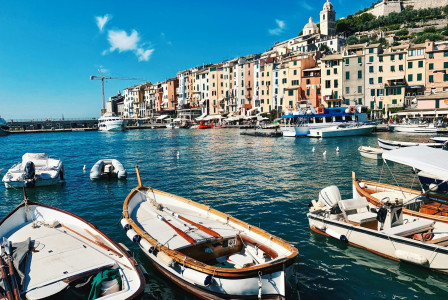
white-motor-boat-parked-on-sea-

The Conference of Peripheral Maritime Regions (CPMR) has issued its policy statement for the upcoming EU Sustainable Tourism Strategy, advocating for a more place-specific, adequately funded, and coordinated approach. The document emphasizes the vital role of regions in promoting sustainable tourism and details specific priorities to help the sector foster resilience, cohesion, and long-term growth throughout Europe.

Publishing org

Conference of Peripheral Maritime Regions

Related Organisation(s)

Conference of Peripheral Maritime Regions

Topics
Geographical descriptors

EU-27

Organisation Type

Destination Management & Marketing Organisations

EU Institutions

Local Authorities

National authorities

Regional Authorities

  • Specific types of tourism

    • Adventure tourism

    • Coastal, maritime and inland water tourism

    • Cultural tourism

    • Ecotourism

    • Education tourism

    • Festival tourism

    • Gastronomy tourism

    • Health and medical tourism

    • MICE tourism

    • Mountain tourism

    • Religious tourism

    • Rural tourism

    • Sports tourism

    • Urban/city tourism

    • Wellness tourism

  • Transition Pathway Strategic Areas

    • Best practices, peer learning and networking

    • Governance of tourism destinations

    • Green Transition of Tourism Companies and SMEs

  • Business activities

    • Activities of amusement parks and theme parks

    • Activities of associations and other organisations supporting tourism

    • Air passenger transport

    • Camping grounds, recreational vehicle parks and trailer parks

    • Events catering and other food services

    • Festivals, cultural and entertainment activities

    • Gardens and nature reserves activities

    • Holiday Housing / Apartments and other short stay accommodation

    • Hotel and similar accommodation

    • Mobile beverage services

    • Mobile food services

    • Museums

    • Operation of historical sites

    • Other

    • Other accommodation

    • Other amusement and recreation activities

    • Other food and beverage services

    • Other holiday reservation services

    • Other tourism transportation activities

    • Rail Passenger transport

    • Recreational and sport activities

    • Restaurants, cafes and bars (Food and Beverage serving activities)

    • Road passenger transport

    • Tour operator activities

    • Travel agency activities

    • Water (sea, coastal and inland) passenger transport

Share

As the European Union develops its upcoming Sustainable Tourism Strategy, expected to influence the sector beyond 2026, the CPMR has outlined key policy messages to strengthen the regional dimension of tourism policy. The document highlights the growing demand that future EU initiatives go beyond mere aspirations and offer tangible implementation tools.
At the core of the CPMR's stance is a strong focus on a place-based approach. European tourism is highly varied, including coastal, island, rural, and urban areas, each facing unique challenges and opportunities. Recognising this diversity is crucial for creating policies that are effective and relevant locally.
This position supports the broader EU tourism policy goal of developing a model that is competitive, sustainable, and inclusive, while benefiting local communities and enhancing resilience.
A key point in the CPMR's document is the need to better support regions in managing this transition. Although sustainability is widely acknowledged as a priority, regional and local authorities often lack adequate financial resources, governance tools, and coordination mechanisms to implement it effectively.

 The CPMR urges for increased funding, easier access to EU programs, and greater policy coherence.
Governance is another vital aspect. The organisation emphasises that regions and local authorities are not just stakeholders but essential actors in tourism management. Their close ties to communities, businesses, and ecosystems give them a unique role in translating European strategies into concrete actions. Therefore, the future EU strategy should involve them meaningfully in both design and execution.
The CPMR also highlights the need to address key structural challenges in tourism, including climate change, pressure on natural and cultural resources, skills shortages, and the shift to digital and green solutions. Addressing these issues requires an integrated approach connecting tourism with transport, environment, regional development, and innovation policies.
Cohesion policy is seen as a vital tool in this effort. The CPMR advocates stronger integration of tourism into regional development frameworks, ensuring that investments promote economic growth while supporting sustainability and social cohesion.
Resilience is another critical focus. Recent crises have revealed the vulnerability of regions dependent on tourism. The CPMR advocates for a strategy that enhances the sector’s capacity to adapt to shocks—climate, health, or geopolitical—and fosters more diverse and stable local economies.
The document also signals a shift in how tourism success is evaluated, moving away from visitor counts toward quality, sustainability, and long-term benefits. This approach aligns with EU discussions on adopting more responsible, value-based tourism models.
From a European perspective, the CPMR’s input is particularly valuable, as it provides a strong regional voice in policy discussions. It emphasises that tourism's impacts and governance are inherently local, despite the sector's interconnectedness within the European and global systems.
Ultimately, the CPMR's policy messages emphasise that the future EU Sustainable Tourism Strategy should be practical, inclusive, and grounded in regional realities. Equipping regions with appropriate tools, resources, and governance can help transition toward a tourism model that is competitive, resilient, and sustainable in the long term.


More information:
https://cpmr.org/wpdm-package/cpmr-policy-messages-for-the-upcoming-eu-sustainable-tourism-strategy-march-2026/?wpdmdl=42951&ind=1776256537951

#Sustainable Tourism #Smart Tourism #Sustainable Destinations 


Rating
No votes yet

Comments (0)

Related content

See also

-
Comment
0
  • News
  • 02 Dec 2024

Sign-up for the Sustainable EU Tourism Twinning Workshop

The Sustainable EU Tourism project has entered its next phase, the “DMO Twinning Journey”. Its aim is to bring together DMOs with similar challenges and...
Categories
Coastal, maritime and inland water tourism Cultural tourism Ecotourism +64 more
5
Comment
0
  • News
  • 05 Feb 2025

Key trends in EU tourism in 2024

Explore the key developments, legislative changes, and emerging trends that shaped EU tourism in 2024 in our February article.
Categories
Coastal, maritime and inland water tourism Cultural tourism Ecotourism +64 more
-
Comment
1
  • News
  • 26 Jan 2026

Celebrate European Tourism Day: Explore Europe Live!

Don't miss the chance to explore the beauty and diversity of Europe! Tune in today for the European Tourism Day livestream, where industry experts and...
Categories
Coastal, maritime and inland water tourism Cultural tourism Ecotourism +64 more