

News
01 June 2026
EU Sets Strategic Course for a Sustainable Tourism Future
News
01 June 2026
Login / create an account to be able to react
-
175
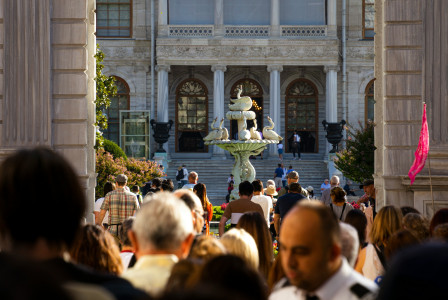
The European Union has introduced a comprehensive set of guidelines aimed at transforming the tourism sector into a model of sustainability and competitiveness. Announced by the Council, these guidelines focus on leveraging technology, fostering resilience, and enhancing collaboration with local communities to ensure a balanced approach to tourism development across Europe.
Council of Europe
Council of Europe
Topics
EU-27
Academic / Research and VET Institutions
Business Support Organisation
Company with 250 or more employees
Cluster Organisations
Consumer Organisations
Cultural and Heritage Organisations
Destination Management & Marketing Organisations
EU Institutions
Financial Institutions and Investors
Industry Associations and Chambers of Commerce
International Organisations
Local Authorities
Media / Journalist Organisations
National authorities
Networks and Federations / Confederations
NGOs / Non-profits
Notified Bodies
Regional Authorities
SMEs (a company with less than 250 employees)
Social Economy Entity
Trade Unions
Other
-
Specific types of tourism
-
-
Adventure tourism
-
Coastal, maritime and inland water tourism
-
Cultural tourism
-
Ecotourism
-
Education tourism
-
Festival tourism
-
Gastronomy tourism
-
Health and medical tourism
-
MICE tourism
-
Mountain tourism
-
Religious tourism
-
Rural tourism
-
Sports tourism
-
Urban/city tourism
-
Wellness tourism
-
-
Transition Pathway Strategic Areas
-
-
Cross-border travelling
-
Digitalisation of tourism SMEs and destinations
-
Governance of tourism destinations
-
Green Transition of Tourism Companies and SMEs
-
Innovative tourism services
-
Sustainable mobility
-
Tourism strategies
-
Well-being of residents
-
-
Business activities
-
-
Activities of amusement parks and theme parks
-
Activities of associations and other organisations supporting tourism
-
Air passenger transport
-
Camping grounds, recreational vehicle parks and trailer parks
-
Events catering and other food services
-
Festivals, cultural and entertainment activities
-
Gardens and nature reserves activities
-
Holiday Housing / Apartments and other short stay accommodation
-
Hotel and similar accommodation
-
Mobile beverage services
-
Mobile food services
-
Museums
-
Operation of historical sites
-
Other
-
Other accommodation
-
Other amusement and recreation activities
-
Other food and beverage services
-
Other holiday reservation services
-
Other tourism transportation activities
-
Rail Passenger transport
-
Recreational and sport activities
-
Restaurants, cafes and bars (Food and Beverage serving activities)
-
Road passenger transport
-
Tour operator activities
-
Travel agency activities
-
Water (sea, coastal and inland) passenger transport
-
Share
In a decisive move to redefine tourism across Europe, the Council of the European Union has set strategic guidelines that aspire to reshape the sector into a sustainable and competitive powerhouse. On May 28, 2026, these guidelines were announced, marking a significant step towards ensuring that tourism integrates both economic vitality and environmental stewardship.
Central to this initiative is the commitment to innovation, where cutting-edge digital solutions and eco-friendly practices are emphasized as key drivers for the industry's evolution. The guidelines aim to harness technology to enhance tourist experiences while reducing environmental impacts, creating a more inclusive and accessible environment for all visitors.
A cornerstone of the Council’s strategy is fostering resilience within the tourism sector. By encouraging diversification and supporting smaller businesses, the EU aims to build a robust framework that can adapt to economic fluctuations and external challenges. This proactive approach is designed to safeguard the industry against potential disruptions while promoting long-term sustainability.
Moreover, the guidelines emphasize the importance of collaboration with local communities and stakeholders. By promoting cultural heritage and supporting regional identities, the EU seeks to preserve the unique charm of its destinations while ensuring that tourism benefits are shared among locals.
For those eager to delve deeper into the specifics of these strategic guidelines, the complete press release offer a thorough exploration of Europe’s ambitious vision for tourism.
#Sustainable tourism #Ecotourism #Community-based tourism #Climate-friendly tourism practices #Cross-regional cooperation
Comments (0)
Related content



Connected Partnership Opportunities
See also
Secure Your Spot for European Tourism Day: Pioneering Sustainable Travel!
- Categories
- Coastal, maritime and inland water tourism Cultural tourism Ecotourism +64 more
Last Call! Share Your Thoughts on the EU Tourism Platform
- Categories
- Coastal, maritime and inland water tourism Cultural tourism Ecotourism +64 more
EU Launches €2 Million Funding Call to Explore Cultural Impact on Health and Well-being
- Categories
- Coastal, maritime and inland water tourism Cultural tourism Ecotourism +64 more