

News
17 March 2026
European peer review supports sustainable tourism planning in Šibenik-Knin County
News
17 March 2026
Login / create an account to be able to react
-
21
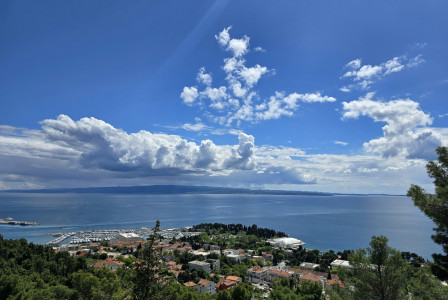
A recent peer review organized by the Interreg Europe Policy Learning Platform gathered European experts to discuss sustainable tourism and spatial planning in Šibenik-Knin County, Croatia. The conversation centered on managing tourism pressure, establishing carrying capacities, and enhancing governance. The results provide useful insights for other destinations in Europe facing similar issues.
Interreg Europe Policy Learning Platform
Interreg Europe Policy Learning Platform
Topics
Croatia
EU-27
France
Hungary
Poland
Spain
Cultural and Heritage Organisations
Destination Management & Marketing Organisations
Local Authorities
National authorities
Regional Authorities
-
Specific types of tourism
-
-
Coastal, maritime and inland water tourism
-
Rural tourism
-
Urban/city tourism
-
-
Transition Pathway Strategic Areas
-
-
Best practices, peer learning and networking
-
Changes in tourism demand and opportunities
-
Governance of tourism destinations
-
Tourism strategies
-
-
Business activities
-
-
Other
-
Share
On 25–26 February 2026, Šibenik-Knin County in Croatia hosted a European peer review focused on a critical challenge in tourism: balancing development with environmental protection and quality of life. Organised by the Interreg Europe Policy Learning Platform, the event brought together experts and peers from across Europe to share practical advice on spatial planning and sustainable tourism.
The region faces growing tourism pressure, especially in its popular coastal areas. These zones are at risk of fragmentation, visual pollution, illegal construction, and overreliance on short-term rentals. Meanwhile, large parts of the county are environmentally protected, limiting development and complicating planning.
The peer review explored key questions relevant not only for Croatia but also for many European destinations. These included how to determine tourism capacity without harming ecosystems, involve local communities in decision-making, and reduce strong seasonality while enhancing the quality of tourism offerings.
One of the central recommendations was to shift the focus from “where to build” to “under what conditions tourism can grow sustainably.” This includes introducing capacity-compatibility assessments that account for environmental limits, social impacts, and existing tourism flows. Experts also highlighted the importance of treating the landscape as a key asset, not only for environmental protection but also as a competitive advantage for destinations.
Another important outcome was the call to move towards climate-smart tourism planning. Instead of measuring success solely by visitor numbers or accommodation capacity, destinations are encouraged to consider carbon emissions, resource use, and resilience to climate risks. This aligns closely with broader European priorities linked to climate action and sustainable development.
The peer review also emphasised the need for low-impact tourism models. Recommendations included developing experience-based routes, promoting cycling and walking infrastructure, and connecting coastal areas with hinterland destinations to better distribute visitor flows. Such approaches can reduce pressure on hotspots while creating new opportunities for rural areas.
Governance and stakeholder engagement were identified as critical success factors. Experts suggested creating participatory structures, such as stakeholder councils, and introducing monitoring systems based on clear indicators covering environmental, social, and economic aspects. This would enable more adaptive, evidence-based tourism management.
The peer review involved experts and practitioners from across Europe, including Spain, France, Hungary, and Poland, underscoring the importance of cross-border knowledge sharing. Šibenik-Knin County's experience exemplifies common issues across many European regions, including overtourism, spatial conflicts, and the need for more integrated planning strategies. Overall, the findings of this peer review are highly relevant for European tourism, illustrating how collaboration, data, and innovative governance can support destinations in developing more sustainable, resilient, and balanced tourism systems.
More information and full list of the recommendations:
https://www.interregeurope.eu/news-events/news/spatial-planning-sustainable-tourism-in-sibenik-knin-county
#Sustainable Tourism #Tourism Development #Resilience Planning #Stakeholder Engagement
#Sustainable Destinations
Comments (0)
Related content



Connected Partnership Opportunities
See also
Lact call for registrations in Hybrid event "Unbalanced Rollercoaster - EU Tourism for a Smoother Ride"
- Categories
- Coastal, maritime and inland water tourism Cultural tourism Ecotourism +64 more
Upcoming Webinar 24 April 2025 "Better together: Improving tourism through a collaborative approach to effective governance"
- Categories
- Coastal, maritime and inland water tourism Cultural tourism Ecotourism +46 more

Helsinki Transforms Urban Dialogue at CityDNA 2026 Conference
- Categories
- Coastal, maritime and inland water tourism Cultural tourism Ecotourism +42 more