

News
22 May 2026
New opportunities for Slovenian–Hungarian cross-border thermal tourism connectivity
News
22 May 2026
Login / create an account to be able to react
-
50
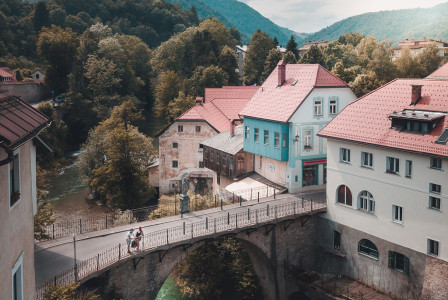
The CROCUS project introduces a new initiative examining how Slovenia and Hungary can enhance cross-border thermal tourism by promoting sustainable mobility, shared branding, and cohesive tourism development. The collaboration aims to create a greener, more connected tourism area focused on wellness, health, and active tourism experiences.
Horizon Europe
Horizon Europe
Topics
Hungary
Slovakia
Academic / Research and VET Institutions
Destination Management & Marketing Organisations
Local Authorities
Regional Authorities
-
Specific types of tourism
-
-
Rural tourism
-
Urban/city tourism
-
-
Transition Pathway Strategic Areas
-
-
Best practices, peer learning and networking
-
Sustainable mobility
-
-
Business activities
-
-
Other tourism transportation activities
-
Rail Passenger transport
-
Road passenger transport
-
Share
Slovenia and Hungary are increasingly seeking new ways to enhance cross-border tourism collaboration, with thermal tourism emerging as a particularly promising area for joint efforts. A recent concept introduced within the Horizon Europe CROCUS project demonstrates how the border region could develop into a more integrated, sustainable, and globally competitive tourism destination. The initiative concentrates on the South Zala region in Hungary and the western Slovenian thermal tourism area, where destinations already share similar profiles centred on wellness, thermal waters, health tourism, and outdoor activities. The proposal emphasises that geographical proximity and complementary tourism offerings create significant potential for a unified cross-border tourism ecosystem. Key destinations include Moravske Toplice and Lendava in Slovenia, as well as Zalakaros in Hungary. These spa towns attract visitors with thermal wellness experiences and are expanding into cycling tourism, gastronomy, and nature-based activities. A core proposal is establishing a shared “Borderless Thermal Triangle” brand to connect the three destinations. The goal is to position the region internationally as a sustainable wellness and health tourism hub, emphasising green development and cross-border cooperation.
Sustainability is a central element of the initiative. The destinations already implement several eco-friendly measures, such as geothermal heating, water recycling, energy-efficient technologies, and support for local food supply chains. Building on these efforts, the project aims to invest further in sustainable mobility and eco-conscious tourism infrastructure. Cycling tourism and green mobility are particularly important in this plan. It includes expanding cross-border cycling routes, enhancing bicycle service facilities, and upgrading electric vehicle charging stations. Additionally, plans are in place to improve environmentally friendly public transport options between destinations to reduce reliance on private vehicles. Another focus is on developing integrated tourism services and joint marketing strategies. This involves creating a multilingual online platform and shared booking system enabling visitors to combine accommodation, wellness, cultural programs, and transport into a unified experience. The initiative also emphasises supporting local communities and regional identity by integrating local gastronomy, cultural heritage, and bilingual border culture, which are essential for authentic tourism experiences and long-term benefits for residents and businesses.
The initiative forms part of the wider CROCUS – Cross-Border Cultural and Creative Tourism in Rural and Remote Areas project, funded under Horizon Europe. The project involves partners from nine European countries: Denmark, Italy, the Netherlands, Slovenia, Finland, Bulgaria, Croatia, Estonia and Hungary. Within the Slovenian–Hungarian context, universities and regional stakeholders play an important role in supporting development ideas and testing new tourism models. The University of Pannonia in Hungary and the University of Maribor in Slovenia are among the organisations contributing expertise and research to the process. The proposal also reflects broader European tourism priorities. Cross-border tourism cooperation is increasingly recognised as an important tool for strengthening regional resilience, supporting sustainable mobility and reducing tourism concentration in overcrowded destinations. The Slovenian–Hungarian border region offers strong potential in this regard due to its combination of nature, wellness, culture and active tourism.
The initiative shows how tourism is shifting from individual destinations to integrated regional ecosystems. Border regions are collaborating to create stronger, sustainable tourism offers. The Slovenian–Hungarian thermal tourism concept exemplifies cross-border partnership, fostering sustainable, connected regional identities rooted in shared values. By combining thermal wellness, green mobility, and cultural ties, it offers a practical vision for future border-region tourism in Europe.
More information:
https://crocuseurope.eu/news/opportunities-for-slovenian-hungarian-cross-border-thermal-tourism-connectivity/
#Sustainable Mobility #Sustainable Tourism #Projects
Comments (0)
Related content



Connected Partnership Opportunities
See also

Upcoming Webinar "Travelling Light: Mainstreaming low-carbon mobility for tourism travel"
- Categories
- Coastal, maritime and inland water tourism Cultural tourism Ecotourism +28 more

Share Your Feedback on the Transition Pathways Platform - Survey Open Until 8 May
- Categories
- Coastal, maritime and inland water tourism Cultural tourism Ecotourism +64 more

Last Chance to Register for the 1st EU Tourism Platform Onboarding Workshop!
- Categories
- Coastal, maritime and inland water tourism Cultural tourism Ecotourism +64 more