

News
15 May 2026
One journey, one ticket: European Commission proposes simpler rail travel across Europe
News
15 May 2026
Login / create an account to be able to react
-
305
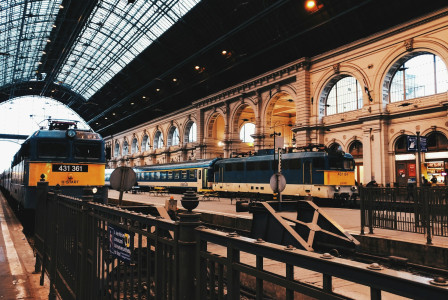
The European Commission has introduced new proposals to make cross-border train travel in Europe much simpler and more passenger-oriented. The plan emphasizes enhancing ticketing processes, bolstering passenger rights, and streamlining multimodal trips, aligning with the EU’s larger aims for sustainable mobility and eco-friendly tourism.
European Commission - DG MOVE
European Commission - DG MOVE
Topics
EU-27
Destination Management & Marketing Organisations
Local Authorities
National authorities
Regional Authorities
-
Specific types of tourism
-
-
Adventure tourism
-
Coastal, maritime and inland water tourism
-
Cultural tourism
-
Ecotourism
-
Education tourism
-
Festival tourism
-
Gastronomy tourism
-
Health and medical tourism
-
MICE tourism
-
Mountain tourism
-
Religious tourism
-
Rural tourism
-
Sports tourism
-
Urban/city tourism
-
Wellness tourism
-
-
Transition Pathway Strategic Areas
-
-
Sustainable mobility
-
-
Business activities
-
-
Other tourism transportation activities
-
Rail Passenger transport
-
Share
Travelling across Europe by train may soon become much easier. The European Commission has announced new measures to improve how passengers search for, book, and manage international rail trips—bringing us closer to the concept of “one journey, one ticket” across Europe. The proposed changes address a major barrier to rail travel in Europe: fragmentation. Despite increasing demand for sustainable transportation, passengers often encounter difficulties when booking international train journeys involving multiple operators. Issues like separate tickets, inconsistent booking systems, and unclear passenger rights have made cross-border rail travel more complicated than air travel in many cases. The Commission's proposal aims to fix this by enhancing access to digital ticketing and travel information. Under the new rules, travellers could more easily compare routes and buy combined tickets, even for journeys with different rail companies and transport providers. A key part of the initiative is stronger passenger protection. The proposal states that travellers buying a single combined ticket would be protected for the entire journey, even if multiple operators are involved. This would reduce uncertainty caused by delays or missed connections, making international rail travel more reliable and user-friendly.
The proposal aims to enhance data sharing between transport operators and ticket vendors. Improved interoperability is key to providing seamless digital booking experiences and supporting multimodal travel solutions. From a broader European view, it aligns with the EU’s strategic goal of promoting sustainable mobility. Rail plays a vital role in the European Green Deal and climate targets, as shifting passengers from short flights and private cars to rail is crucial for reducing emissions. The tourism sector stands to benefit greatly, as easier booking systems and clearer passenger rights could make rail travel more appealing for international tourists exploring Europe. This is especially relevant for slow tourism, cross-border trips, and sustainable experiences, which are increasingly popular among Europeans. The initiative also fosters territorial cohesion by improving accessibility between regions and countries. Better rail connections can help distribute tourist flows more evenly, strengthen local economies, and promote lower-impact travel. Notably, it reflects a wider shift in European transport policy from an infrastructure focus to an emphasis on enhancing the passenger experience. Simplifying bookings, integrating services, and increasing transparency are now seen as essential for making sustainable transport competitive and attractive. Although the proposals still need approval through the EU legislative process, they clearly indicate the future direction of mobility in Europe. For travellers, this could mean fewer barriers, clearer rights, and a smoother border-crossing experience. Ultimately, the Commission’s message is clear: sustainable travel should also be simple. By making train journeys easier to plan and book, the EU aims to encourage more people to view trains as a practical and appealing mode of transportation across Europe.
#Sustainable mobility #Green transportation options #Railway tourism #Mobility #Tourism development
Comments (0)
Related content


Connected Partnership Opportunities
See also
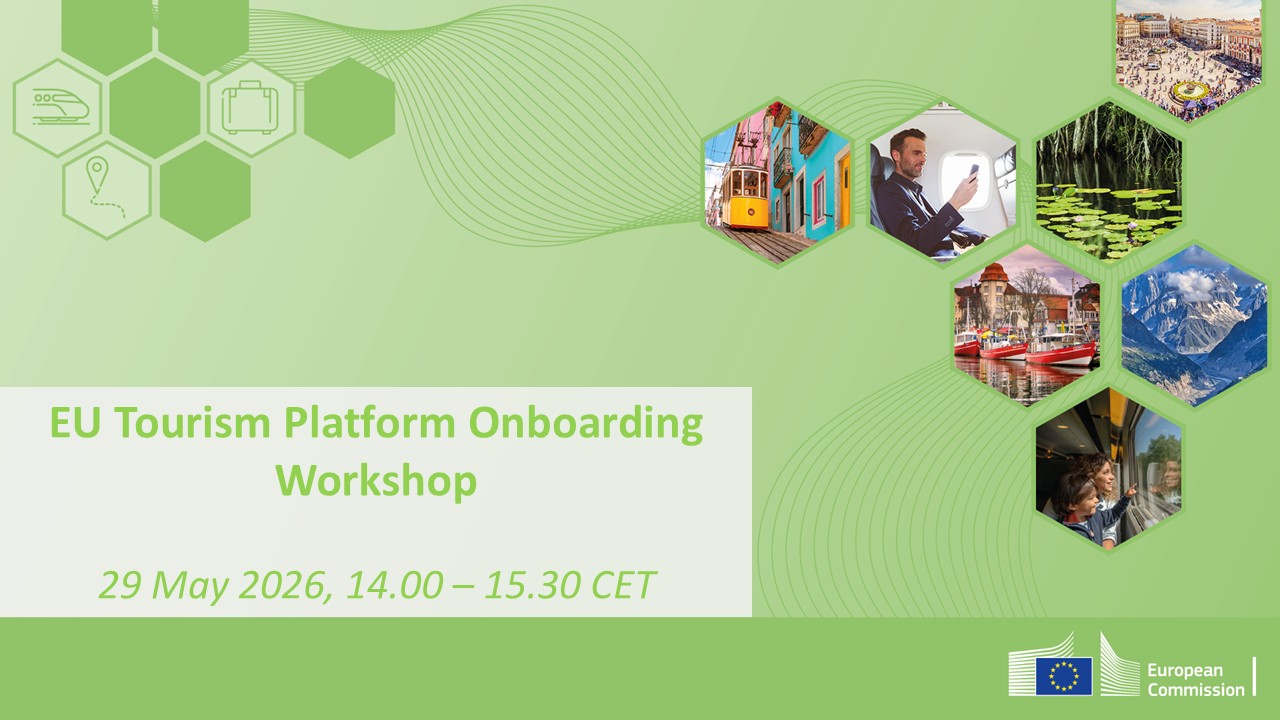
Last chance to register for the EU Tourism Platform Onboarding Workshop on 29 May 2026
- Categories
- Coastal, maritime and inland water tourism Cultural tourism Ecotourism +64 more

Make Your Voice Heard: EU Tourism Platform Survey
- Categories
- Coastal, maritime and inland water tourism Cultural tourism Ecotourism +64 more

Upcoming Webinar "Travelling Light: Mainstreaming low-carbon mobility for tourism travel"
- Categories
- Coastal, maritime and inland water tourism Cultural tourism Ecotourism +28 more