

News
05 March 2026
Rethinking Resilience: How AI, VR, and Neurotourism Are Shaping Europe's Tourism Future
News
05 March 2026
Login / create an account to be able to react
-
71
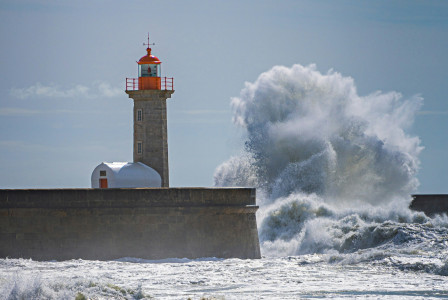
Explore our monthly article to discover how Europe's tourism industry is facing climate disruptions by shifting focus from recovery to resilience. Learn about the cutting-edge technologies like AI, VR, and neurotourism that are not only adapting to these changes but pioneering a new era in travel.
Topics
Albania
Armenia
Austria
Belgium
Bosnia and Herzegovina
Bulgaria
Croatia
Cyprus
Czechia
Denmark
Estonia
EU-27
Finland
France
Georgia
Germany
Greece
Hungary
Iceland
Ireland
Italy
Kosovo
Latvia
Liechtenstein
Lithuania
Luxembourg
Malta
Moldova
Montenegro
Netherlands
North Macedonia
Norway
Poland
Portugal
Romania
Serbia
Slovakia
Slovenia
Spain
Sweden
Switzerland
Türkiye
Ukraine
Other
Academic / Research and VET Institutions
Business Support Organisation
Company with 250 or more employees
Cluster Organisations
Consumer Organisations
Cultural and Heritage Organisations
Destination Management & Marketing Organisations
EU Institutions
Financial Institutions and Investors
Industry Associations and Chambers of Commerce
International Organisations
Local Authorities
Media / Journalist Organisations
National authorities
Networks and Federations / Confederations
NGOs / Non-profits
Notified Bodies
Regional Authorities
SMEs (a company with less than 250 employees)
Social Economy Entity
Trade Unions
Other
-
Specific types of tourism
-
-
Adventure tourism
-
Coastal, maritime and inland water tourism
-
Cultural tourism
-
Ecotourism
-
Education tourism
-
Festival tourism
-
Gastronomy tourism
-
Health and medical tourism
-
MICE tourism
-
Mountain tourism
-
Religious tourism
-
Rural tourism
-
Sports tourism
-
Urban/city tourism
-
Wellness tourism
-
-
Transition Pathway Strategic Areas
-
-
Changes in tourism demand and opportunities
-
Digitalisation of tourism SMEs and destinations
-
Green Transition of Tourism Companies and SMEs
-
Innovative tourism services
-
R&I on climate-friendly tourism
-
Well-being of residents
-
-
Business activities
-
-
Activities of amusement parks and theme parks
-
Activities of associations and other organisations supporting tourism
-
Air passenger transport
-
Camping grounds, recreational vehicle parks and trailer parks
-
Events catering and other food services
-
Festivals, cultural and entertainment activities
-
Gardens and nature reserves activities
-
Holiday Housing / Apartments and other short stay accommodation
-
Hotel and similar accommodation
-
Mobile beverage services
-
Mobile food services
-
Museums
-
Operation of historical sites
-
Other
-
Other accommodation
-
Other amusement and recreation activities
-
Other food and beverage services
-
Other holiday reservation services
-
Other tourism transportation activities
-
Rail Passenger transport
-
Recreational and sport activities
-
Restaurants, cafes and bars (Food and Beverage serving activities)
-
Road passenger transport
-
Tour operator activities
-
Travel agency activities
-
Water (sea, coastal and inland) passenger transport
-
Share
Europe's tourism industry is navigating a turbulent landscape of climate volatility, economic challenges, and societal shifts, turning its focus from merely bouncing back after crises to proactively absorbing shocks.
In our monthly article we delve into how innovative strategies are revitalizing the sector, which contributes nearly 10% to EU GDP and supports around 23 million jobs. Amidst a backdrop of heatwaves, floods, and wildfires, artificial intelligence serves as a pivotal tool, functioning as a sophisticated early-warning system that predicts demand fluctuations and helps manage resources efficiently.
Meanwhile, extended reality technologies offer new dimensions to travel experiences—virtual and augmented realities allow travelers to explore destinations remotely, reducing strain on fragile sites while enhancing accessibility. Neurotourism, informed by neuroscience, reshapes visitor interactions, crafting environments that minimize stress and ensure safety during disruptions. Together, these technologies create a feedback loop that not only keeps Europe's cultural and natural heritage intact but also enriches community well-being.
As part of the EU's broader "green and digital" agenda, these advancements are meticulously aligned with regulatory frameworks to ensure transparency, privacy, and inclusion.
Dive deeper into how these developments promise a resilient future for European tourism in our monthly feature following the link provided.
#Sustainable tourism #Resilience planning #Climate-friendly tourism practices #Innovation in tourism #Digital nomadism #Smart tourism
Comments (0)
Related content


Connected Partnership Opportunities
See also
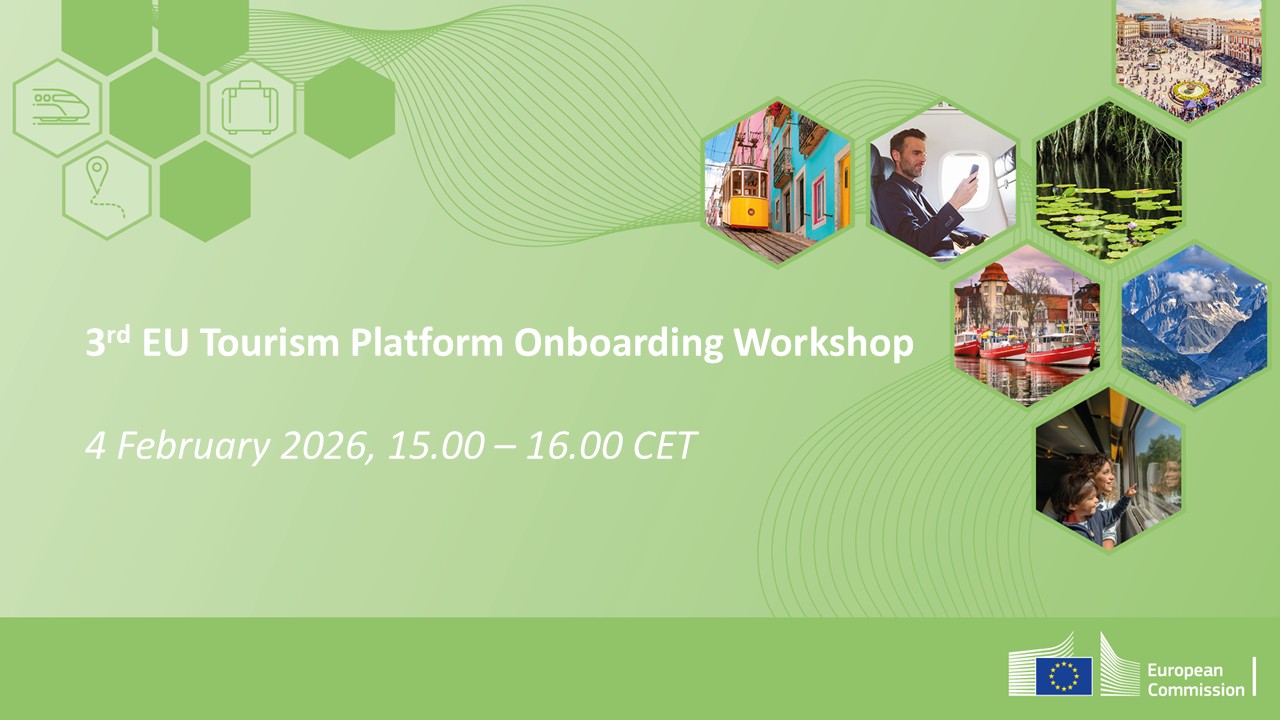
Last chance to register for the upcoming EU Tourism Platform Onboarding Workshop
- Categories
- Coastal, maritime and inland water tourism Cultural tourism Ecotourism +64 more

REMINDER: Online Challenge – "Economic Benefits of the Green Transition in Tourism"
- Categories
- Coastal, maritime and inland water tourism Cultural tourism Ecotourism +64 more
Last Call! Share Your Thoughts on the EU Tourism Platform
- Categories
- Coastal, maritime and inland water tourism Cultural tourism Ecotourism +64 more