

News
20 January 2026
Small-scale tourism with big impact: Ylitornio’s approach to sustainable growth
News
20 January 2026
Login / create an account to be able to react
-
136

Ylitornio, located in the Tornio Valley on the Finnish–Swedish border, is rapidly emerging as a new sustainable tourism hub in Lapland, without following the mass-tourism model. Over the past year, more than 20 new tourism-related businesses have opened in the area, reflecting growing confidence in a community-based and low-impact tourism approach. Supported by research and innovation through the CROCUS project, Ylitornio demonstrates how tourism growth can align with local value creation and sustainability.
Crocus project
Crocus project
Topics
EU-27
Finland
Academic / Research and VET Institutions
Destination Management & Marketing Organisations
Local Authorities
Media / Journalist Organisations
National authorities
NGOs / Non-profits
Regional Authorities
-
Specific types of tourism
-
-
Adventure tourism
-
Ecotourism
-
Rural tourism
-
Wellness tourism
-
-
Transition Pathway Strategic Areas
-
-
Best practices, peer learning and networking
-
Changes in tourism demand and opportunities
-
Circularity of tourism services
-
Governance of tourism destinations
-
Tourism strategies
-
-
Business activities
-
-
Activities of amusement parks and theme parks
-
Activities of associations and other organisations supporting tourism
-
Air passenger transport
-
Camping grounds, recreational vehicle parks and trailer parks
-
Events catering and other food services
-
Festivals, cultural and entertainment activities
-
Gardens and nature reserves activities
-
Holiday Housing / Apartments and other short stay accommodation
-
Hotel and similar accommodation
-
Mobile beverage services
-
Mobile food services
-
Museums
-
Operation of historical sites
-
Other
-
Other accommodation
-
Other amusement and recreation activities
-
Other food and beverage services
-
Other holiday reservation services
-
Other tourism transportation activities
-
Rail Passenger transport
-
Recreational and sport activities
-
Restaurants, cafes and bars (Food and Beverage serving activities)
-
Road passenger transport
-
Tour operator activities
-
Travel agency activities
-
Water (sea, coastal and inland) passenger transport
-
Share
Ylitornio, a small municipality in the Tornio Valley between Finland and Sweden, is gaining attention as a new travel destination in Lapland — not because of large-scale resorts or mass tourism, but because of a carefully crafted, community-led development model. The region is increasingly attracting international visitors seeking authentic, nature-based and culturally rooted experiences, while local stakeholders are actively working to avoid the overtourism challenges seen elsewhere in Lapland.
In just one year, more than 20 new businesses have opened in Ylitornio and its surroundings, including accommodation cabins, restaurants, wellness services and nature-based tourism operators. This growth reflects a strong local belief in tourism as a long-term development pathway — one that supports livelihoods, revitalises rural areas and strengthens cross-border cooperation with neighbouring Sweden.
A defining feature of Ylitornio’s development is its close link with research and innovation through the CROCUS project (Cross-Border Cultural and Creative Tourism in Rural and Remote Areas). Through CROCUS, partners such as Aalborg University and the University of Oulu, together with local authorities and entrepreneurs, are supporting the region in testing new tourism models via so-called living labs. These real-life innovation environments allow local actors, researchers and businesses to co-create tourism experiences that respect cultural heritage, local lifestyles and environmental limits.
Rather than importing standard tourism products, Ylitornio is building experiences rooted in local culture, seasonal rhythms and the Arctic environment. The aim is not only to attract visitors, but to ensure that tourism actively benefits the local community — economically, socially and culturally. Researchers involved in the project underline that tourism should serve residents first and visitors second, reversing the logic of mass tourism models that often prioritise volume over value.
This approach aligns closely with emerging European tourism priorities: regenerative tourism, community-based development and cross-border cooperation. As a border region, Ylitornio also illustrates how tourism can become a bridge between cultures and countries, strengthening regional identity while offering visitors unique, meaningful experiences.
Ylitornio’s trajectory shows that tourism growth need not entail environmental pressure or social disruption. Instead, with the right governance, partnerships and research support, even small rural destinations can become resilient, attractive and sustainable tourism hubs.
👉 Read more here:
https://lnkd.in/dP7rQCvM
#Regenerative Tourism #Sustainable Tourism #Community Based Tourism #Responsible Travel #Sustainable Destinations
#Innovation In Tourism
Comments (0)
Related content



Connected Partnership Opportunities
See also
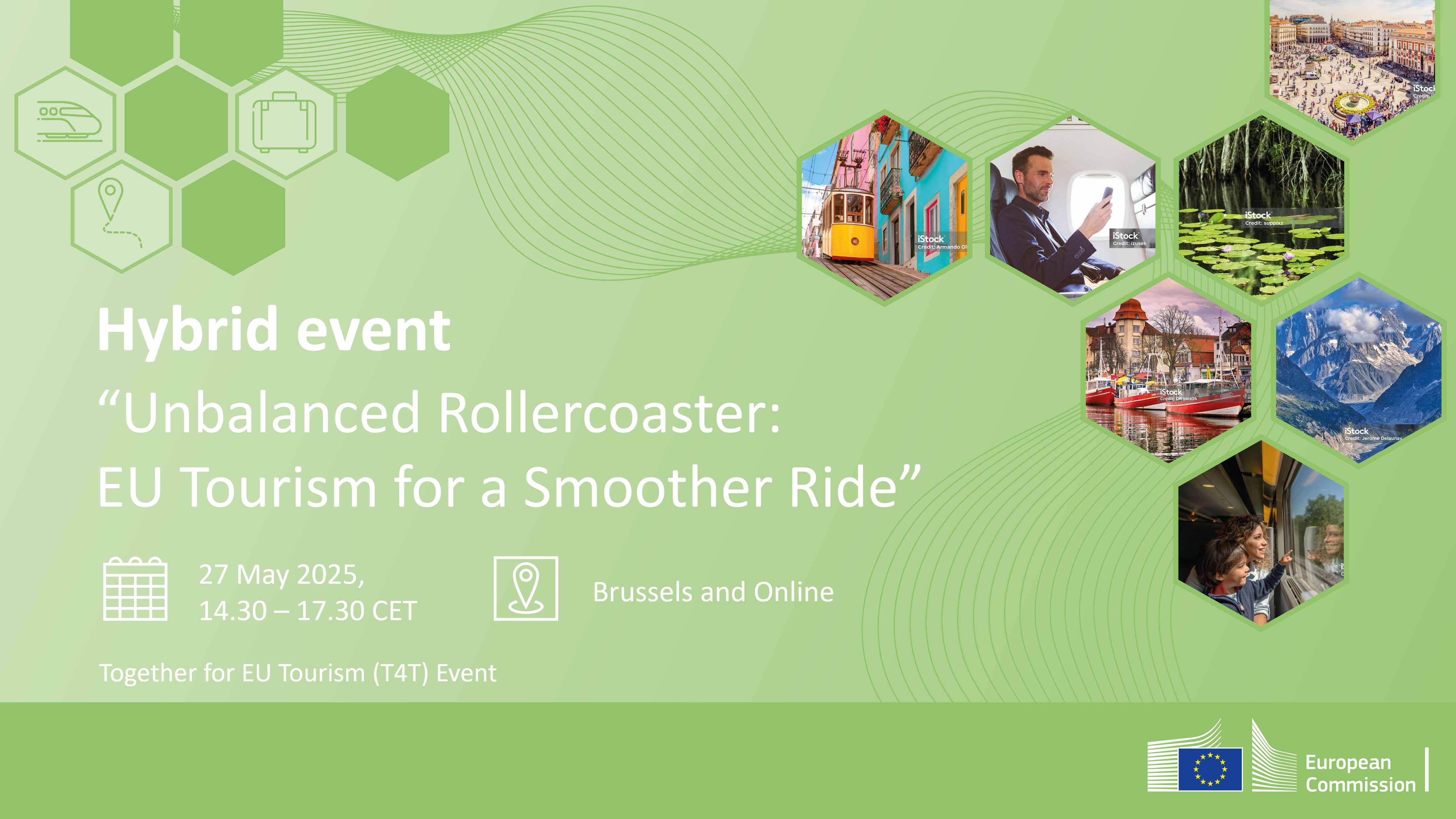
Lact call for registrations in Hybrid event "Unbalanced Rollercoaster - EU Tourism for a Smoother Ride"
- Categories
- Coastal, maritime and inland water tourism Cultural tourism Ecotourism +64 more

Explore our May article on unbalanced tourism
- Categories
- Coastal, maritime and inland water tourism Cultural tourism Ecotourism +64 more
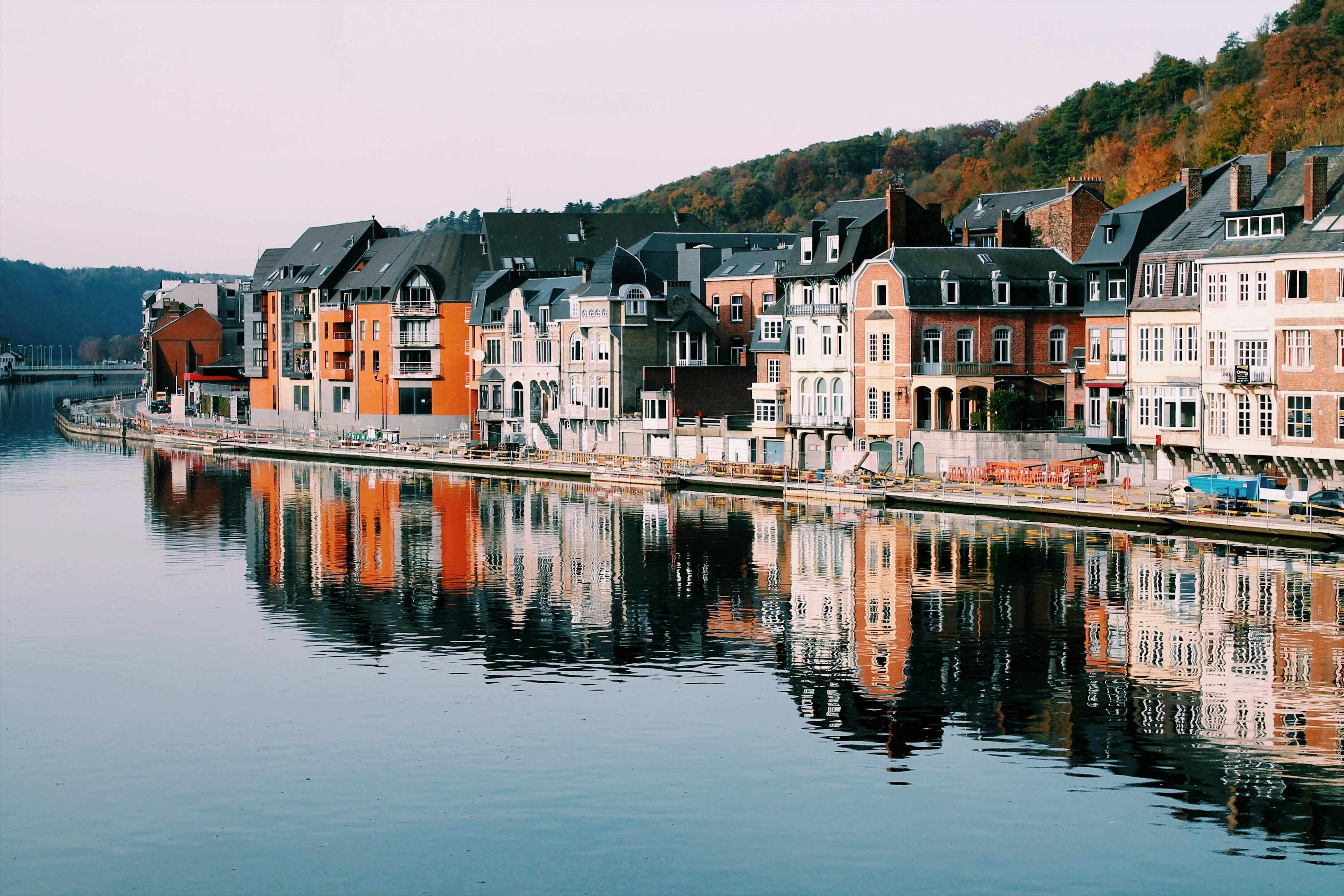
Deadline Extended: Provide Feedback on EU Hotel Sustainability Rules until 16 March
- Categories
- Coastal, maritime and inland water tourism Cultural tourism Ecotourism +64 more