

Policy
06 August 2026
EU guidelines chart a path for sustainable tourism in Natura 2000 protected areas
Policy
06 August 2026
Login / create an account to be able to react
-
63
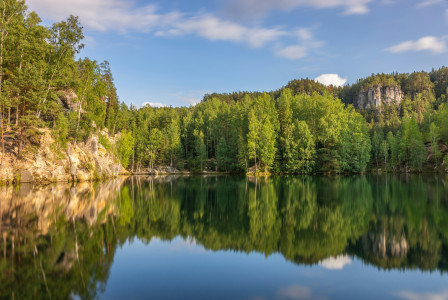
The European Commission has published new guidelines to help Member States manage tourism in Natura 2000 sites without compromising the conservation goals the network was created to protect.
Editorial team
Directorate-General for Environment
Topics
EU-27
Academic / Research and VET Institutions
Destination Management & Marketing Organisations
Local Authorities
National authorities
NGOs / Non-profits
Regional Authorities
-
Specific types of tourism
-
-
Coastal, maritime and inland water tourism
-
Ecotourism
-
Mountain tourism
-
Rural tourism
-
-
Transition Pathway Strategic Areas
-
-
Governance of tourism destinations
-
Green Transition of Tourism Companies and SMEs
-
Well-being of residents
-
-
Business activities
-
-
Activities of associations and other organisations supporting tourism
-
Gardens and nature reserves activities
-
Tour operator activities
-
Share
On 14 July 2026, the European Commission's Directorate-General for Environment published new guidelines on integrating tourism into the management of Natura 2000, the EU's network of more than 27,000 protected sites covering nearly a fifth of EU land and over 10% of its sea area. The guidelines address what the Commission calls a conservation paradox: well-managed protected areas tend to attract growing numbers of visitors, and that popularity can itself put pressure on the habitats and species the sites exist to protect. To manage this balance, the guidance sets out a framework built around four steps, identifying the pressures and opportunities tourism creates, assessing how much visitor activity a site can sustain, improving communication with visitors and local communities, and putting concrete management measures in place. It also stresses that site authorities, tourism businesses, local communities and environmental NGOs need to work together for this balance to hold.
The guidelines carry weight because of the scale involved: tourism linked to Natura 2000 sites generates between €50 and €85 billion a year and supports around 2 million jobs, many of them in rural, coastal and mountain regions that depend heavily on this income. The Commission also points to ecotourism as the fastest-growing part of the sector, expanding by as much as 34% annually since the early 1990s, which is reshaping how these areas will need to be managed going forward. The guidance is meant to support Member States and site managers in reconciling nature protection with the economic role tourism plays in these regions, and it ties directly into the EU Biodiversity Strategy for 2030.
#Natura2000 #Ecotourism #Biodiversity #SustainableTourism
Comments (0)
Connected Partnership Opportunities
See also

Sustainable Urban Mobility Planning and Monitoring Initiative
- Categories
- Coastal, maritime and inland water tourism Cultural tourism Ecotourism +41 more
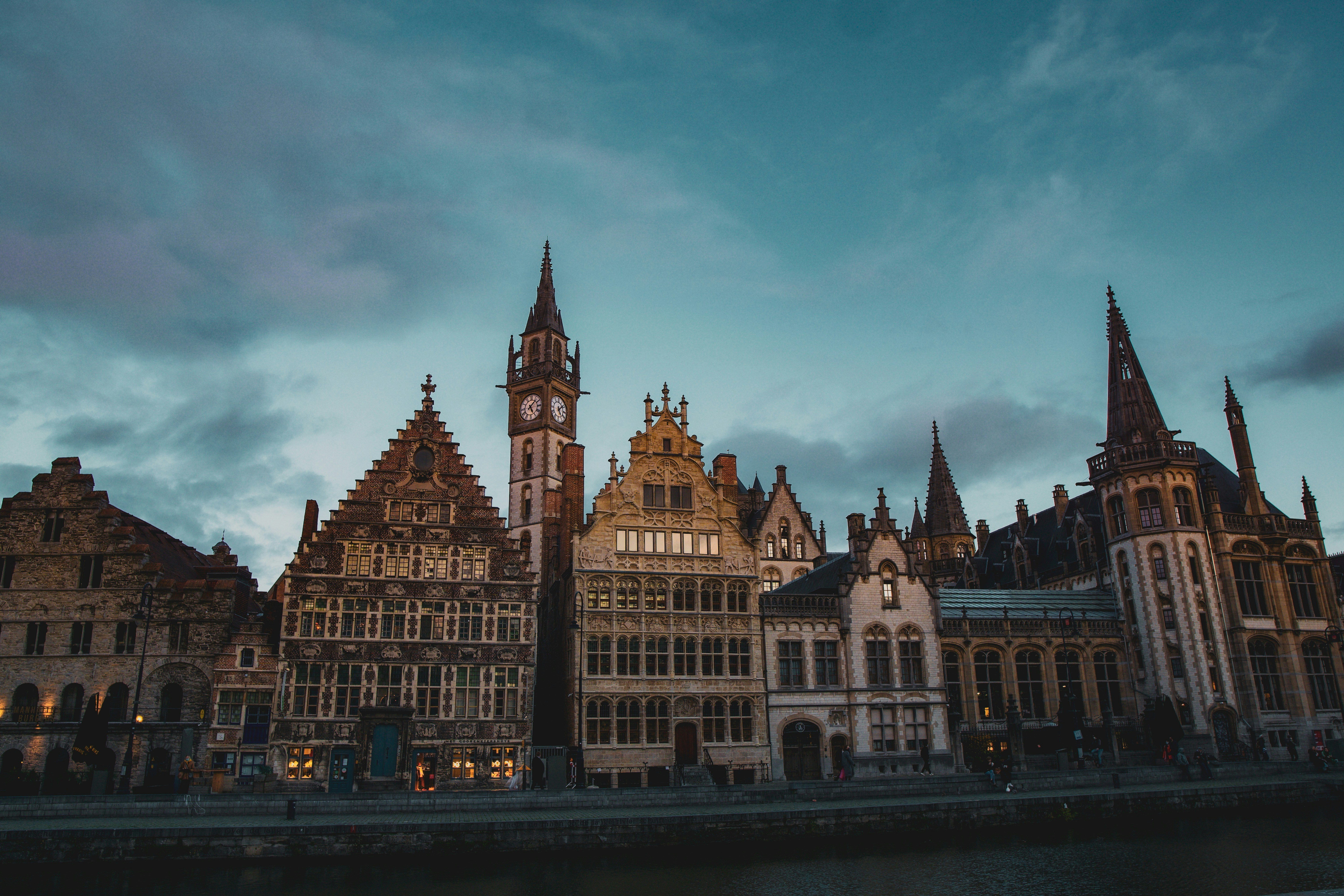
Strategic priorities for a sustainable tourism future in Flanders
- Categories
- Coastal, maritime and inland water tourism Cultural tourism Ecotourism +41 more
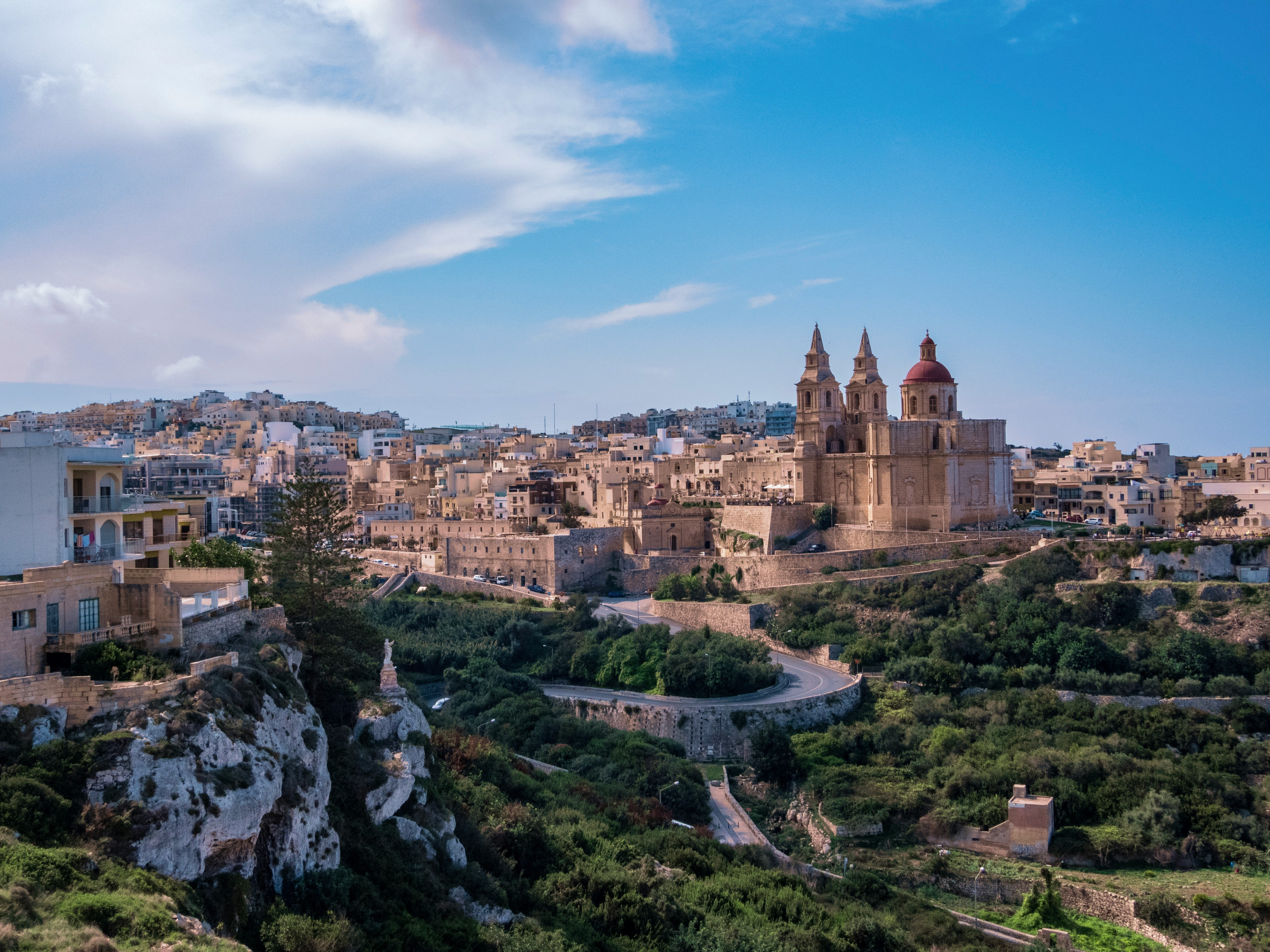
Malta Vision 2050: Shaping the Future of Tourism and Beyond
- Categories
- Coastal, maritime and inland water tourism Cultural tourism Ecotourism +43 more