

Projects
09 September 2026
Baltic Sea projects tackle tourism's wastewater, cycling and food supply chains
Projects
09 September 2026
Login / create an account to be able to react
-
36
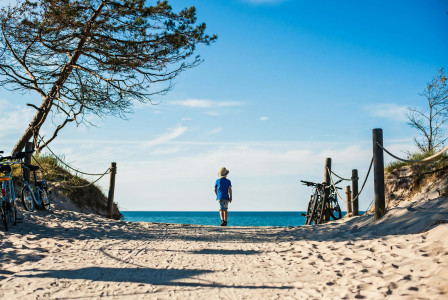
A series of EU-funded Interreg Baltic Sea Region projects is addressing sustainable tourism from multiple angles, from managing seasonal wastewater spikes to developing cycling routes and rural food tourism. The initiatives span Finland, Sweden, Denmark, Estonia, Latvia, Lithuania, Poland and Germany.
Editorial team
Helsinki-Uusimaa Regional Council
Topics
Denmark
Estonia
Finland
Germany
Latvia
Lithuania
Poland
Sweden
Academic / Research and VET Institutions
Local Authorities
National authorities
NGOs / Non-profits
Regional Authorities
SMEs (a company with less than 250 employees)
-
Specific types of tourism
-
-
Adventure tourism
-
Coastal, maritime and inland water tourism
-
Gastronomy tourism
-
Rural tourism
-
-
Transition Pathway Strategic Areas
-
-
Best practices, peer learning and networking
-
Circularity of tourism services
-
Sustainable mobility
-
-
Business activities
-
-
Activities of associations and other organisations supporting tourism
-
Other accommodation
-
Restaurants, cafes and bars (Food and Beverage serving activities)
-
Water (sea, coastal and inland) passenger transport
-
Share
The NURSECOAST-II project, running until September 2026, addresses eutrophication risk from seasonal wastewater spikes in coastal and archipelago tourism areas, where a single visitor's nutrient emissions can generate up to 17.5 kilograms of algae growth over a one-week stay. It has piloted constructed wetlands and nanobubble oxidation technology to manage these seasonal load spikes without costly infrastructure renewal, including a full wastewater system upgrade in Inkoo, Finland, though cross-border regulatory differences around wastewater reuse in irrigation have limited scaling of some solutions.
Two further projects address different dimensions of the same regional tourism system. The now-completed Bike across the Baltic project developed detailed route descriptions and signage for the EuroVelo 10 cycling route along Finland's Baltic coast, aiming to grow low-emission cycling tourism through the countryside, while benchmarking exercises extended lessons to Sweden, Estonia and Poland. Separately, the BASCIL project supported small rural food producers in South Savo and South Karelia in developing food tourism products, such as farm visits, local food tours and cooking classes, through training and cross-border exchange with food tourism developers elsewhere in the Baltic Sea region.
#ClosedLoopSystems #SustainableMobility #Empowerment #CrossRegionalCooperation
Comments (0)
Connected Partnership Opportunities
See also
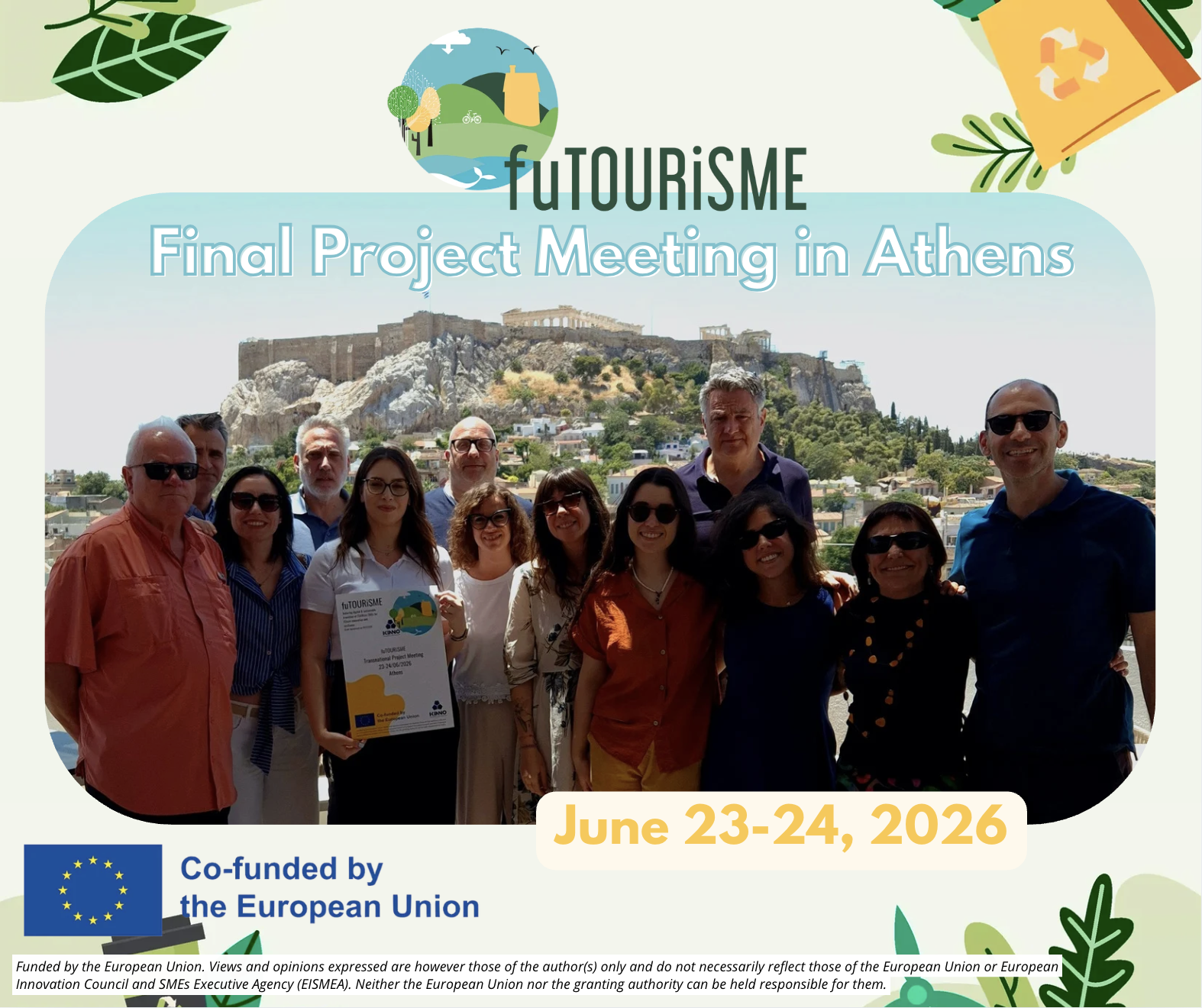
fuTOURiSME: Empowering Tourism SMEs for the Twin Transition
- Categories
- Coastal, maritime and inland water tourism Cultural tourism Ecotourism +64 more
RESTORE – Empowering Tourism SMEs to Become Regenerative Businesses for Combating Overtourism project
- Categories
- Coastal, maritime and inland water tourism Cultural tourism Ecotourism +46 more

HECTOR: Boosting youth employability in European tourism
- Categories
- Coastal, maritime and inland water tourism Cultural tourism Ecotourism +42 more