

Training courses
02 April 2026
Building skills for regenerative tourism: a practical free training course from the Reggae project
Training courses
02 April 2026
Login / create an account to be able to react
-
114

The REGGAE course, developed through the Nordic Nature Health Hub within the Interreg Aurora-funded REGGAE project, provides an engaging and well-organised learning journey for tourism stakeholders eager to explore regenerative approaches. With a friendly mix of online lessons, real-life stories, and interactive workshops, it acts as a supportive guide—assisting entrepreneurs and destinations in turning sustainability principles into meaningful tourism experiences and offerings.
Interreg Aurora
Interreg Aurora
Topics
EU-27
Academic / Research and VET Institutions
Business Support Organisation
Company with 250 or more employees
Cluster Organisations
Consumer Organisations
Cultural and Heritage Organisations
Destination Management & Marketing Organisations
EU Institutions
Financial Institutions and Investors
Industry Associations and Chambers of Commerce
International Organisations
Local Authorities
Media / Journalist Organisations
National authorities
Networks and Federations / Confederations
NGOs / Non-profits
Notified Bodies
Regional Authorities
SMEs (a company with less than 250 employees)
Social Economy Entity
Trade Unions
Other
-
Specific types of tourism
-
-
Adventure tourism
-
Coastal, maritime and inland water tourism
-
Cultural tourism
-
Ecotourism
-
Education tourism
-
Festival tourism
-
Gastronomy tourism
-
Health and medical tourism
-
MICE tourism
-
Mountain tourism
-
Religious tourism
-
Rural tourism
-
Sports tourism
-
Urban/city tourism
-
Wellness tourism
-
-
Transition Pathway Strategic Areas
-
-
Accessible tourism services
-
-
Business activities
-
-
Activities of amusement parks and theme parks
-
Activities of associations and other organisations supporting tourism
-
Air passenger transport
-
Camping grounds, recreational vehicle parks and trailer parks
-
Events catering and other food services
-
Festivals, cultural and entertainment activities
-
Gardens and nature reserves activities
-
Holiday Housing / Apartments and other short stay accommodation
-
Hotel and similar accommodation
-
Mobile beverage services
-
Mobile food services
-
Museums
-
Operation of historical sites
-
Other
-
Other accommodation
-
Other amusement and recreation activities
-
Other food and beverage services
-
Other holiday reservation services
-
Other tourism transportation activities
-
Rail Passenger transport
-
Recreational and sport activities
-
Restaurants, cafes and bars (Food and Beverage serving activities)
-
Road passenger transport
-
Tour operator activities
-
Travel agency activities
-
Water (sea, coastal and inland) passenger transport
-
Share
As the tourism sector increasingly embraces regenerative models, the importance of practical skills and hands-on knowledge grows even more. The REGGAE course, developed within the Regenerative Nature Tourism project, directly addresses this need by providing a clear, user-friendly learning framework for tourism entrepreneurs and stakeholders.
Instead of focusing just on theory, the course offers a practical, can-do learning experience. Delivered online through a user-friendly platform, it combines short, engaging lectures, carefully selected materials, and guided resources with interactive workshops. Participants have plenty of time to explore the content on their own before joining discussions, helping them think about how the ideas apply to their own work and businesses.
What makes this programme's structure especially effective is its focus on themes. It features several key modules that cover vital aspects of regenerative tourism. Topics include the basics of regenerative and transformative tourism, marketing and communication strategies, cultural heritage and forest history, and inclusive and accessible tourism. This modular setup allows participants to gain a broad understanding of the field while also delving into the specific areas that matter most to their work.
One of the course’s biggest strengths is its strong connection to real-world practice. It features examples of successful businesses that use regenerative approaches, giving participants clear insights into how to put these ideas into practice. Besides environmental concerns, the course also explores entrepreneurship, conservation of nature and culture, and the role of tourism in promoting health and wellbeing. Importantly, the REGGAE course is part of a larger project that emphasises co-creating solutions with tourism entrepreneurs and stakeholders. This means the learning content is constantly shaped by real-world challenges and experiences, keeping it relevant and useful.
From a European perspective, this kind of initiative is becoming increasingly vital. As destinations aim to go beyond sustainability toward regenerative models, there's a noticeable skills gap—especially among small and medium-sized tourism businesses. The REGGAE course helps fill this gap by offering accessible, practical training to support local and regional transitions.
Plus, the course reflects a broader shift in tourism development—from generic products to unique, community-focused experiences that add real value and support the well-being of destinations. By giving participants the tools to design these experiences, it strengthens the resilience and long-term sustainability of tourism.
Ultimately, the REGGAE course is more than just training; it’s a catalyst for change. It shows how education, closely linked with practice and collaboration among stakeholders, can play a key role in shaping a brighter future for tourism across Europe.
https://canvascourses.slu.se/browse/slu-sv/nnhh/reggae/courses/reggae-ait
#Training #Accessible Tourism #Sustainable Tourism #Regenerative Tourism #Smart Tourism
Comments (0)
Related content


Connected Partnership Opportunities
See also
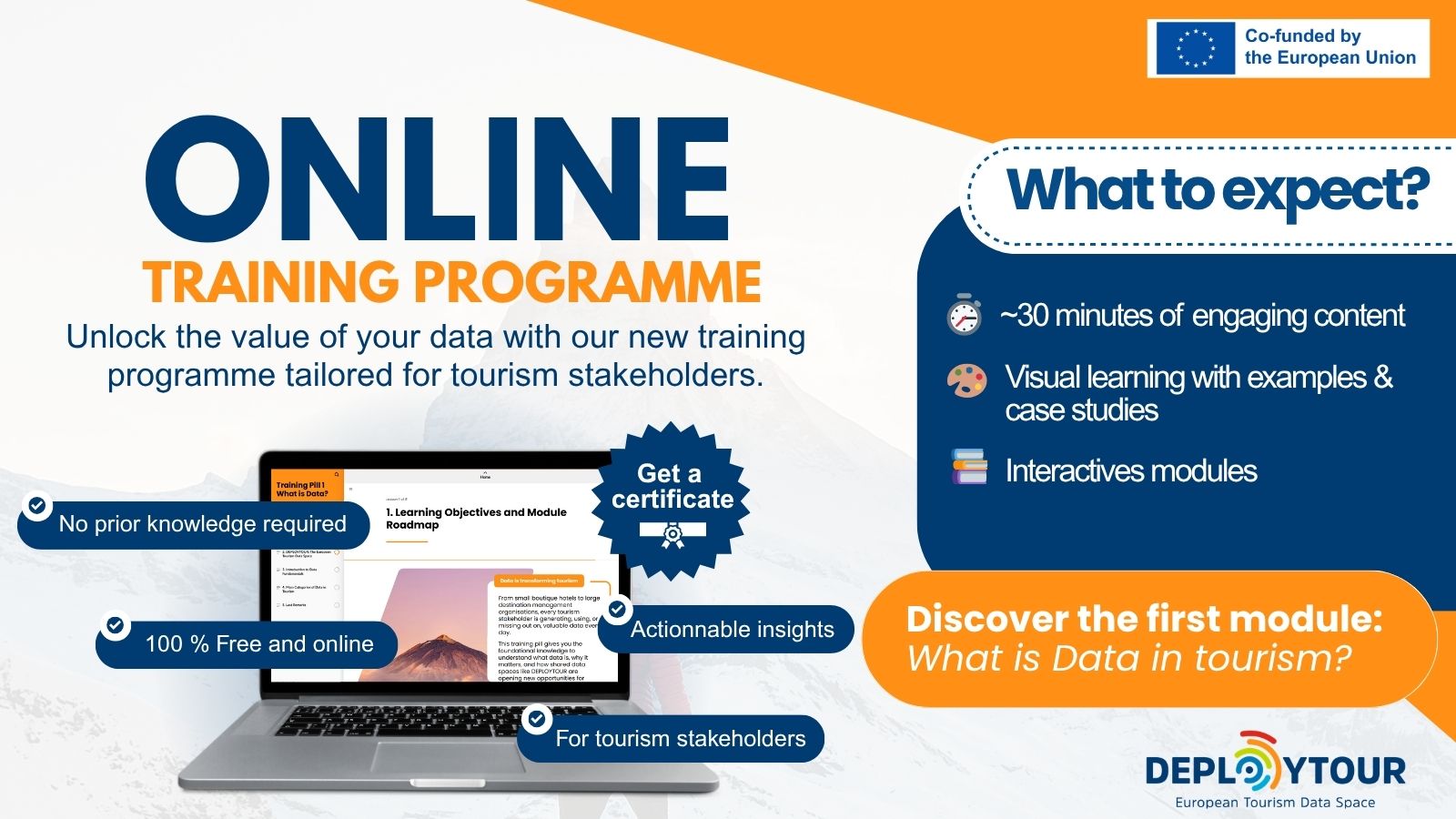
DEPLOYTOUR training programme
- Categories
- Coastal, maritime and inland water tourism Cultural tourism Ecotourism +64 more

Transform Your Expertise with Nature-Based Wellness Tourism Credentials
Online event
- Categories
- Coastal, maritime and inland water tourism Cultural tourism Ecotourism +43 more
EU Clusters Talk: From funding dependence to financial sustainability - Rethinking business models for Europe's cluster organisations
Online event
- Categories
- Coastal, maritime and inland water tourism Cultural tourism Ecotourism +64 more