

Initiative
Clariant: enabling low-carbon solutions to drive emission reductions across industries
Initiative

Publishing organisations:
Editorial team
Organisation types:
Company with 250 or more employees
Next progression check date:
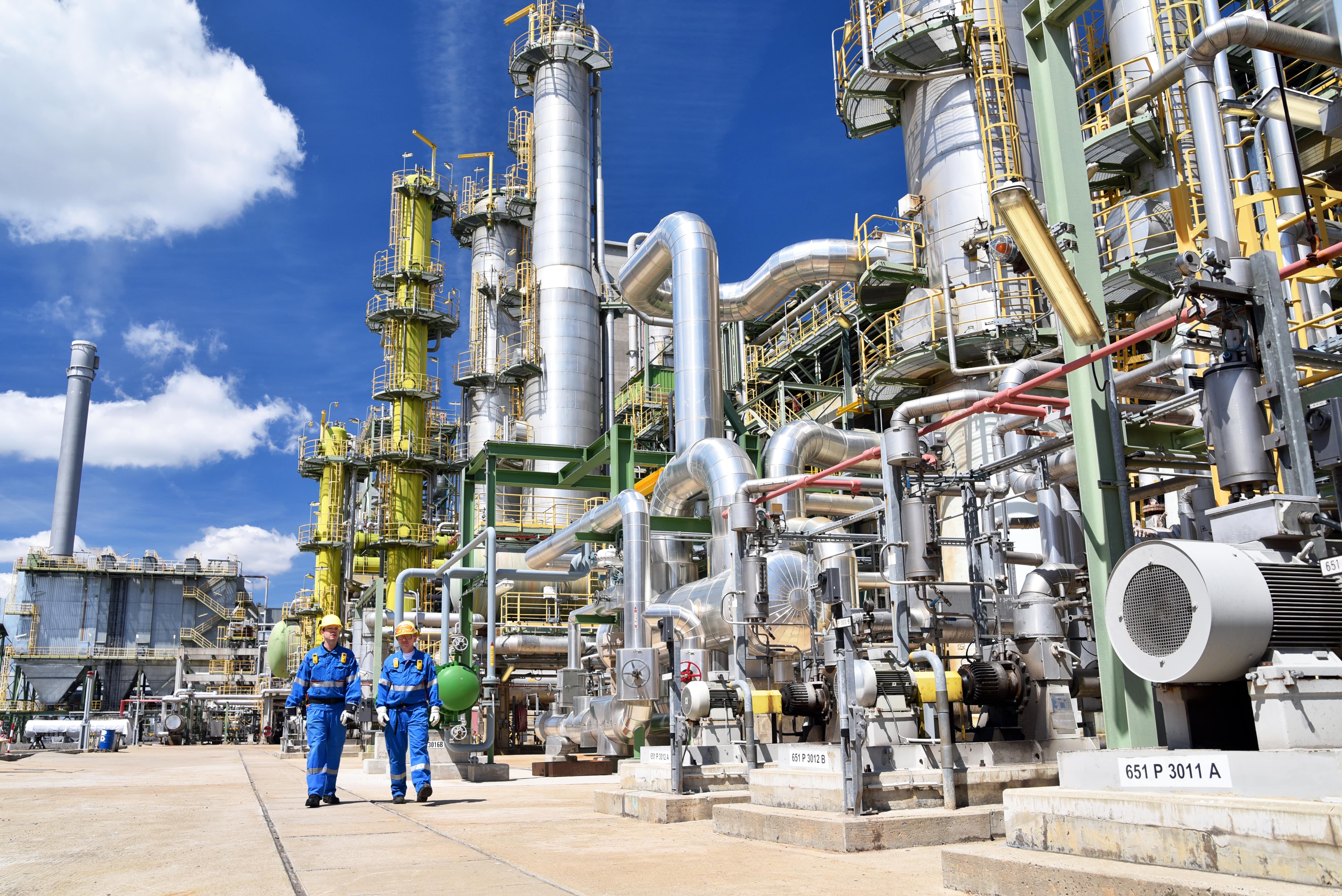
In addition to climate targets aligned to the Science Based Targets initiative (SBTi), Clariant is focused on creating "handprint" value by empowering customers to reduce their own emissions through Clariant's low-carbon solutions. The company’s catalyst products, for example, enable customers in industries like steel, nitric acid, and clean energy to reduce greenhouse gases, collectively avoiding emissions equivalent to about 40 million tons of CO₂e in 2023 alone. This achievement, a 5-million-ton increase from the previous year, underscores Clariant’s commitment to innovation in climate protection. Specifically, with the EnviCat N2O catalyst series, N2O and other nitrogen oxides can be removed almost completely (up to 99% for tertiary abatement and 95% for secondary abatement). Designed as a drop-in solution, the catalysts can be installed in any state-of-the-art nitric acid plant without disrupting the manufacturing process. Another contributor to the emissions savings highlighted above is Clariant’s reformer catalysts used in the Direct Reduction of Iron (DRI) process of iron production. Clariant measures the handprint performance of catalysts on an annual basis.
Editorial team
Topics
Company with 250 or more employees
-
Policy type
-
-
Green transition
-
Share
Comments (0)
Connected Partnership Opportunities
See also
-
41
Hollandse Kust Zuid: advancing carbon management with a large-scale offshore wind farm
Relevant countries: Germany
Organisation types: Company with 250 or more employees
Next progression check date:
- Categories

-
45
Biomass balance: advancing bio-based feedstocks for sustainable chemical production
Relevant countries: Germany
Organisation types: Company with 250 or more employees
Next progression check date:
- Categories

-
426
BASF & Air Liquide: pioneering the largest cross-border CCS project for net zero emissions
Relevant countries: Germany
Organisation types: Company with 250 or more employees
Next progression check date:
- Categories