
News & articles
30 December 2025
Bioeconomy breakthroughs: LIFE projects transform waste and pollution into new business opportunities
News & articles
30 December 2025
Login / create an account to be able to react
-
34
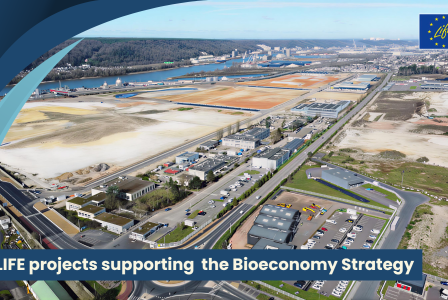
The EU’s push toward a stronger bioeconomy is gaining momentum as three LIFE projects showcase the commercial potential of bio-based innovations.
Editorial team
European Commission
Topics
Albania
Armenia
Austria
Belgium
Bosnia and Herzegovina
Bulgaria
Croatia
Cyprus
Czechia
Denmark
Estonia
EU-27
Finland
France
Georgia
Germany
Greece
Hungary
Iceland
Ireland
Italy
Kosovo
Latvia
Liechtenstein
Lithuania
Luxembourg
Malta
Moldova
Montenegro
Netherlands
North Macedonia
Norway
Poland
Portugal
Romania
Serbia
Slovakia
Slovenia
Spain
Sweden
Switzerland
Türkiye
Ukraine
Other
EU Institutions
-
Policy type
-
-
Green transition
-
Share
The bioeconomy covers the activities that provide sustainable solutions using biological resources to generate added value. In the EU, it currently generates up to EUR 2.7 trillion and employs 17.1 million people, yet much of its potential remains untapped. The European Commission estimates that the EU bioeconomy could grow 18% per year – with the right support.
The newly published EU Bioeconomy Strategy aims to be the catalyst that realises this potential growth by enabling the innovation needed for new and existing markets – all of which require tested, bio-based materials and technological solutions.
Several LIFE-funded projects are already putting these objectives into practice, converting underused biomass and industrial by-products into valuable materials, energy and services. One example is the GR4SS project, which targets an often-overlooked biomass: grass cut from roadsides. Instead of being discarded, these clippings are collected and fed into anaerobic digesters to produce green biomethane, digestate fibres and soil-substitute materials. The Dutch project has shown that this unused biomass can become a lucrative alternative to fossil fuels while also generating new revenue streams in rural areas.
Comments (0)
See also
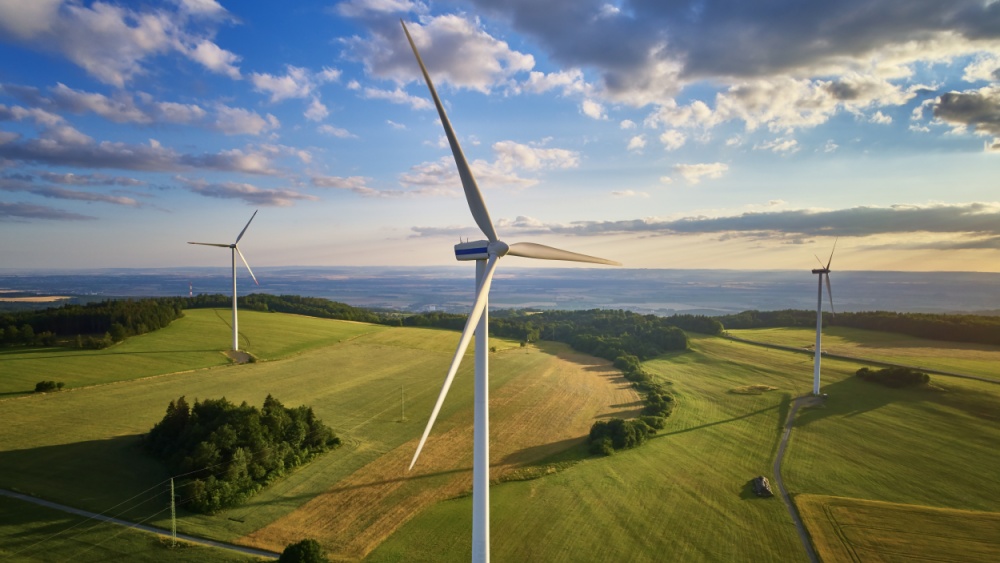
25.2% of energy EU used in 2024 came from renewables
- Categories

EU sets emission rules for low-carbon hydrogen
- Categories

Call for evidence on update to Security of Gas Supply Regulation risk groups
- Categories