

News & articles
12 August 2026
Commission imposes anti-dumping duties on terephthalic acid imports from Korea and Mexico
News & articles
12 August 2026
Login / create an account to be able to react
-
16
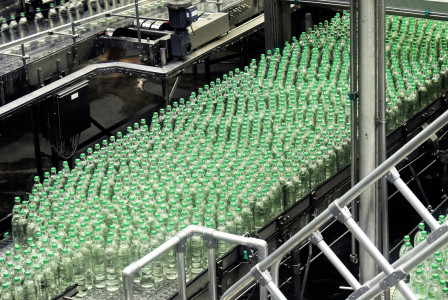
The European Commission has imposed definitive anti-dumping duties on terephthalic acid imports from South Korea, ranging from 6.1% to 13.3% depending on the exporting company, and from Mexico at 24.1%, following an investigation that found dumped pricing was harming the EU's domestic industry. For a relatively small but strategically positioned segment of the chemicals value chain, the decision provides direct price protection just as demand from downstream recycling and packaging applications is expected to grow.
Editorial team
Directorate-General for Trade and Economic Security
Topics
EU-27
Company with 250 or more employees
EU Institutions
Industry Associations and Chambers of Commerce
National authorities
-
Policy type
-
-
EU Policy
-
Share
Terephthalic acid is a strategic raw material used to produce PET, which is in turn used for plastic bottles, food packaging and polyester fabrics, giving it a role that extends well beyond the chemicals sector narrowly defined into the EU's broader recycling and sustainability targets, particularly as recycled content mandates for packaging and, more recently, vehicles create additional downstream demand for PET-based materials. The EU industry directly employs around 600 people across production sites in Belgium, Poland and Spain, in a market worth approximately €1.4 billion, a modest headcount relative to the strategic importance of the material it produces.
The duties follow a formal anti-dumping investigation conducted under the EU's standard trade defence procedures, examining import volumes, pricing and injury to the domestic industry over the investigation period, and are now legally binding under the published implementing regulation. The company-specific rates for Korean exporters, ranging from 6.1% to 13.3%, reflect differences in the degree of dumping found for individual producers, a common feature of EU anti-dumping measures that avoids penalising all exporters from a given country at a uniform rate regardless of their individual pricing behaviour.
The case adds to a growing list of EU trade defence actions targeting specific chemical intermediates in 2026, following a similar duty imposed on phosphorous acid imports from China earlier in the year, a pattern that suggests EU producers of niche but strategically important chemical intermediates are increasingly turning to trade defence instruments as a tool for protecting production capacity that might otherwise struggle against underpriced imports from third countries with lower production costs.
#ChemicalsCompetitiveness #SupplyChainResilience #EUChemicalsLegislation
Comments (0)
Connected Partnership Opportunities
See also

Transition Pathway: the 2024 annual progress report is now available
- Categories
- Digital transition EU Policy Green transition

Commission unveils 2026 work programme
- Categories
- Digital transition EU Policy Green transition

Webinar material: From the Transition Pathway to the Action Plan: what’s next?
- Categories
- Digital transition EU Policy Green transition