
News & articles
03 December 2025
Commission presents new Bioeconomy Strategy to drive green growth, competitiveness and resilience across Europe
News & articles
03 December 2025
Login / create an account to be able to react
-
38
The Commission adopted a new Strategic Framework for a Competitive and Sustainable EU Bioeconomy, charting a way forward to build a clean, competitive and resilient European economy. By using renewable biological resources from land and sea and providing alternatives to critical raw materials, the EU will move forward towards a more circular and decarbonised economy and can decrease dependence on fossil imports.
Editorial team
European Commission
Topics
Albania
Armenia
Austria
Belgium
Bosnia and Herzegovina
Bulgaria
Croatia
Cyprus
Czechia
Denmark
Estonia
EU-27
Finland
France
Georgia
Germany
Greece
Hungary
Iceland
Ireland
Italy
Kosovo
Latvia
Liechtenstein
Lithuania
Luxembourg
Malta
Moldova
Montenegro
Netherlands
North Macedonia
Norway
Poland
Portugal
Romania
Serbia
Slovakia
Slovenia
Spain
Sweden
Switzerland
Türkiye
Ukraine
Other
EU Institutions
-
Policy type
-
-
Green transition
-
Share
The bioeconomy offers Europe a chance to strengthen its resilience, replace fossil-based materials and products, create jobs and lead the global shift to clean industries. With this new Strategy, the EU will support activities that provide sustainable practical solutions using our biological resources in sectors such as agriculture, forestry, fisheries, aquaculture, biomass processing, biomanufacturing and biotechnologies. It will harness the vast potential of these resources, scientific excellence and industrial base, and encourages innovations that benefit the climate, nature and society.
With a value of up to EUR 2.7 trillion in 2023 and employing 17.1 million people (around 8% of EU jobs), the EU bioeconomy already contributes significantly to job creation and economic growth in Europe. Every job in the bioeconomy creates three indirect jobs in the EU. Examples of products are bio-based chemicals made from algae that are used to produce pharmaceuticals, personal care products and industrial applications. Bio-based plastics are increasingly used in packaging and automotive parts. Also bio-based construction productions, textile fibres and fertilisers are increasingly in demand. However, it still has a huge untapped potential.
The EU Bioeconomy Strategy aims to unlock this potential by scaling up innovation and investments, developing lead markets for bio-based materials and technologies, ensuring a sustainable supply of biomass, and harnessing global opportunities.
Comments (0)
Connected Partnership Opportunities
See also
EU applauds global breakthroughs on hazardous chemicals and waste at key UN conventions
- Categories
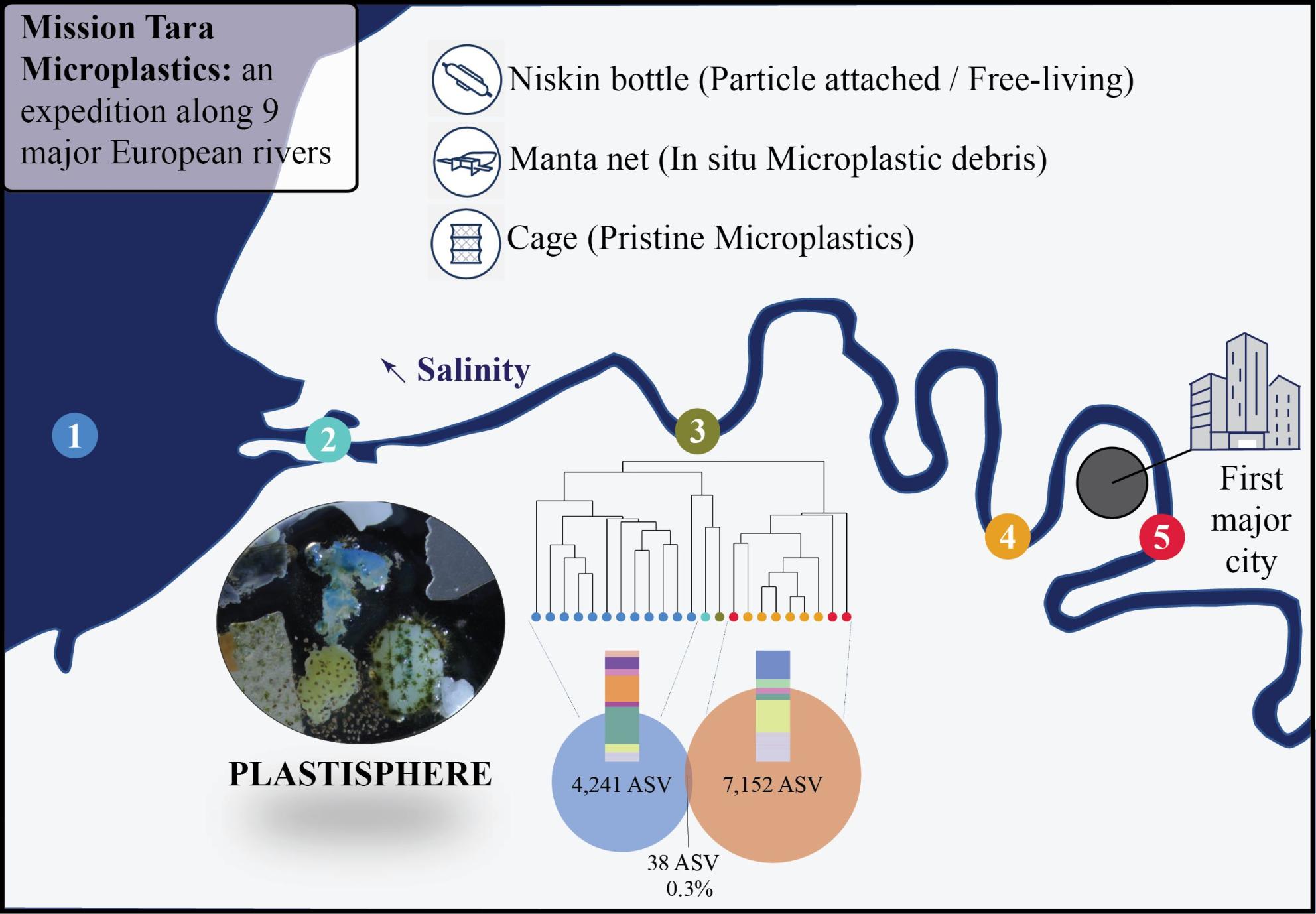
Salt barrier blocks harmful bacteria from travelling on microplastics from rivers to sea
- Categories
Get ready for EUSEW 2026!
- Categories