
Other actions
22 October 2026
Wood-based biorefinery with 220,000 tonnes of annual capacity inaugurated in Leuna, Germany
Other actions
22 October 2026
Login / create an account to be able to react
-
14
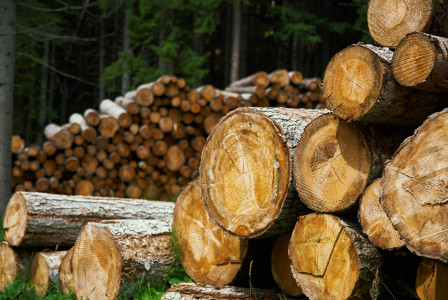
UPM has inaugurated its biorefinery in Leuna, Germany, which converts beechwood thinnings and sawmill residues into industrial sugars and lignin for use as renewable raw materials in chemicals. The company states that, with an annual capacity of 220,000 tonnes and a total investment of €1,370 million, it is the largest facility of its kind in the world.
Editorial team
UPM
Topics
Germany
Academic / Research and VET Institutions
Company with 250 or more employees
Regional Authorities
SMEs (a company with less than 250 employees)
-
Policy type
-
-
Green transition
-
Share
UPM is a Finnish materials solutions company headquartered in Helsinki, with operations across several countries in Europe, Asia and the Americas. Its activities span renewable fibres, advanced materials, decarbonisation solutions and communication papers. The company is also developing alternatives to fossil-based raw materials through its biochemicals and biofuels businesses, including biorefineries in Leuna, Germany, and Lappeenranta, Finland.
The Leuna biorefinery uses enzymatic hydrolysis to break down lignocellulosic biomass into industrial sugars and lignin, which can replace fossil-based inputs in chemicals production. The beechwood comes from thinnings and sawmill residues sourced within about 200 kilometres and is unsuitable for higher-value uses such as timber or furniture. According to UPM, enzymatic hydrolysis and the production of lignin-derived specialty chemicals have reached stable operation, and the company is ramping up sales of these products.
The biochemicals produced in Leuna, including renewable glycols and lignin-based functional fillers, are intended for applications such as clothing, packaging, cosmetics, construction materials and tyres, many of which currently rely on fossil-based raw materials. The company's Lappeenranta biorefinery, meanwhile, produces renewable diesel and bio-naphtha. Together, these facilities illustrate UPM's efforts to develop renewable alternatives to fossil-based feedstocks at an industrial scale.
#BioBasedChemicals #FeedstockSubstitution #RenewableFeedstock
Comments (0)
Connected Partnership Opportunities
See also

EU-funded project develops mechanochemical recycling of fluoropolymers and other PFAS waste
- Categories
German chemical startup competition names winner developing rare earth recovery technology
- Categories
Registered users only
Evonik opens pilot plant for membrane that could cut green hydrogen production costs
- Categories