

Sectorial reports
13 August 2026
Managing chemicals through EMAS: a practical guide
Sectorial reports
13 August 2026
Login / create an account to be able to react
-
<a href="/user/login?destination=/chemicals/sectorial-reports/managing-chemicals-through-emas-practical-guide%23comment-form">Log in</a> or <a href="/user/register?destination=/chemicals/sectorial-reports/managing-chemicals-through-emas-practical-guide%23comment-form">register</a> to post comments
-
9
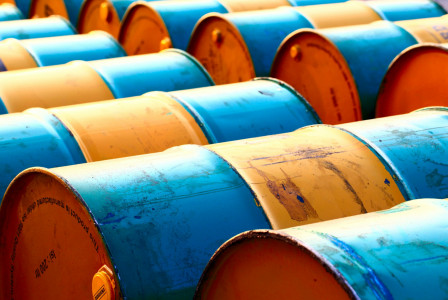
The European Commission has published a practical guide on how to integrate chemicals management into environmental management systems certified under EMAS, the EU's voluntary Eco-Management and Audit Scheme. For chemical, pharmaceutical, rubber and plastics companies already navigating a dense web of substance-specific obligations, the guide offers a structured way to bring chemical risk management into a single, auditable environmental framework rather than treating it as a separate compliance exercise.
Editorial team
Directorate-General for Environment
Topics
EU-27
Academic / Research and VET Institutions
Business Support Organisation
Company with 250 or more employees
EU Institutions
National authorities
SMEs (a company with less than 250 employees)
-
Policy type
-
-
Cross-cutting policy
-
Green transition
-
Share
The guide, published by the Directorate-General for Environment, builds on a webinar held in November 2025 that introduced EMAS specifically to organisations in the chemical, pharmaceutical, rubber and plastics sectors, where handling of hazardous substances is a core part of daily operations. It is designed to help organisations identify chemical-related risks, maintain compliance with applicable substance legislation, and reduce environmental impacts linked to their use, storage and emission of chemicals across all stages of their activities, moving beyond a narrow legal-compliance mindset toward continuous improvement.
While EMAS itself does not set substance-specific requirements, EMAS-registered organisations are already expected to maintain comprehensive chemical inventories, safety data sheets and risk assessments to comply with related EU legislation such as the Industrial Emissions Directive, which requires a continuous improvement process for handling hazardous substances present in or emitted from an installation. The guide is intended to help organisations bring these existing obligations together into a single system, supporting the kind of transparent, externally verified environmental statement that distinguishes EMAS registration from other environmental management standards.
For chemical sector companies weighing whether to pursue EMAS registration alongside more globally recognised standards such as ISO 14001, the guide offers a sector-specific entry point that connects chemicals management directly to EMAS's broader environmental performance and reporting requirements, potentially easing the administrative burden of managing REACH, CLP and other chemical-specific obligations alongside a certified environmental management system.
#ChemicalsStrategyForSustainability #ChemicalSafety #EUChemicalsLegislation
Documents
Comments (0)
Connected Partnership Opportunities
See also
Cefic publishes its first Chemical Trends Report for 2026 (January to March)
- Categories
- Digital transition EU Policy Green transition
Five years on: ECHA takes stock of how REACH and CLP work in practice
- Categories

Two-year recap maps future skills needs for Europe's chemical industry
- Categories