

Articles
21 September 2026
MIT develops elastic yarn for repeated recycling
Articles
21 September 2026
Login / create an account to be able to react
-
15
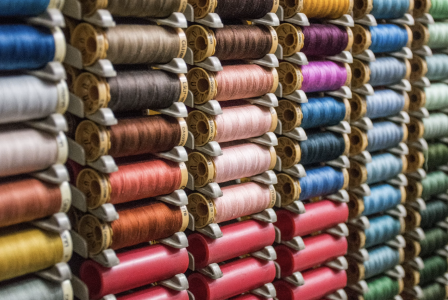
MIT engineers have developed an elastic yarn that can be melted and respun without losing its strength or flexibility. The material could offer a recyclable alternative to common spandex-based yarns.
Massachusetts Institute of Technology
Topics
Other
Academic / Research and VET Institutions
Company with 250 or more employees
SMEs (a company with less than 250 employees)
-
Transition Pathway's building blocks
-
-
R&I, techniques and technological solutions
-
-
Industrial ecosystems
-
-
Textile
-
-
Textiles ecosystem areas
-
-
Fibres, yarns and fabrics
-
Research and Innovation
-
Waste management, reuse and repair
-
Share
Engineers at the Massachusetts Institute of Technology (MIT) have developed a recyclable elastic yarn that can be woven into stretchy, lightweight clothing. The innovation aims to address the recycling challenges associated with conventional elastic textiles.
Stretchy garments present a particular challenge for textile recycling. Most elastic yarns combine spandex with polyester or nylon. While this mixture provides strength and flexibility, the different fibres cannot be recycled together. Researchers at the Massachusetts Institute of Technology (MIT) developed a new elastic yarn to address this issue. The yarn is made from two polyethylene-based materials that can be recycled together and woven into lightweight, stretchy clothing.
During laboratory testing, the researchers repeatedly melted and respun the yarn. Even after ten recycling cycles, it retained its original strength and flexibility. This ability to withstand repeated recycling could allow the yarn to remain in use beyond a garment’s first life. The recovered material could also be used to produce other components, including buttons and belt buckles.
The researchers believe the yarn could be produced at an industrial scale and woven in the same way as conventional spandex fibres. This could support a more circular textile sector by keeping materials in circulation and reducing the need for new production.
For further information, please read more on Just Style.
Comments (0)
Connected Partnership Opportunities
See also
Introducing the ‘Themed Discussion Days’ on the EU Textiles Ecosystem Platform
- Categories
- Infrastructure Investments and funding R&I, techniques and technological solutions +26 more

Space Technologies as Enablers of Sustainable Fashion
- Categories
- R&I, techniques and technological solutions Skills Sustainable competitiveness +13 more

Sharing good practices on apprenticeships in the TCLF sectors
- Categories
- Skills Social dimension Sustainable competitiveness +12 more