

Best practices
24 November 2025
Driving circularity through waste-derived materials in Textiles and Leather
Best practices
24 November 2025
Login / create an account to be able to react
-
162
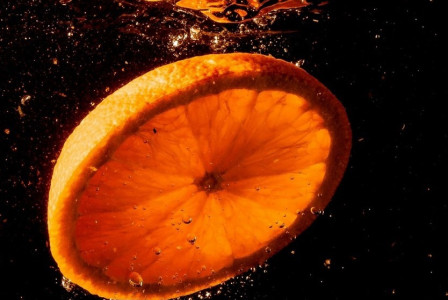
The textiles and leather industries are embracing innovation to enhance circularity by transforming waste from other sectors into valuable materials. This approach reduces landfill waste, conserves virgin resources, and lowers environmental impact. Key to success are abundant waste streams, scalable conversion methods, and strong industry partnerships. European pioneers like Orange Fiber and Sabant are commercialising luxurious fabrics from citrus waste and leather alternatives from barley malt, proving waste valorisation can meet market demands and drive a circular economy.
Orange Fiber
Sabant
Topics
Albania
Armenia
Austria
Belgium
Bosnia and Herzegovina
Bulgaria
Croatia
Cyprus
Czechia
Denmark
Estonia
EU-27
Finland
France
Georgia
Germany
Greece
Hungary
Iceland
Ireland
Italy
Kosovo
Latvia
Liechtenstein
Lithuania
Luxembourg
Malta
Moldova
Montenegro
Netherlands
North Macedonia
Norway
Poland
Portugal
Romania
Serbia
Slovakia
Slovenia
Spain
Sweden
Switzerland
Türkiye
Ukraine
Other
Academic / Research and VET Institutions
Business Support Organisation
Company with 250 or more employees
Cluster Organisations
Consumer Organisations
Cultural and Heritage Organisations
Destination Management & Marketing Organisations
EU Institutions
Financial Institutions and Investors
Industry Associations and Chambers of Commerce
International Organisations
Local Authorities
Media / Journalist Organisations
National authorities
Networks and Federations / Confederations
NGOs / Non-profits
Notified Bodies
Regional Authorities
SMEs (a company with less than 250 employees)
Social Economy Entity
Trade Unions
Other
-
Transition Pathway's building blocks
-
-
R&I, techniques and technological solutions
-
Sustainable competitiveness
-
-
Industrial ecosystems
-
-
Textile
-
-
Textiles ecosystem areas
-
-
Fibres, yarns and fabrics
-
Apparel and clothing accessories
-
Leather and fur
-
Research and Innovation
-
Waste management, reuse and repair
-
Share
Innovation is crucial for reducing the environmental impact of the textile and leather ecosystem. One significant way innovation is improving the circularity of this ecosystem is by transforming waste from other production processes into new, innovative materials. This circular approach, known as industrial symbiosis, not only diverts waste from landfills but also reduces reliance on virgin resources, minimises ecological footprints, and fosters a more sustainable and resilient supply chain.
Key principle for waste valorisation from other value chains
For waste valorisation to be truly effective, some key principles must be considered:
- Prioritise waste streams that are abundant, consistent, and geographically accessible. This ensures a stable and reliable supply of raw material for continuous production.
- Invest in research and development to create scalable and environmentally sound methods for extracting and transforming waste components into usable fibres or materials. This ensures that the solutions are both effective and sustainable.
- Foster strong partnerships between waste generators, material innovators, manufacturers, and brands. Such collaborations are essential for effectively integrating new materials into products and bringing them to market.
In the textiles and leather ecosystem, innovation in this field primarily concerns waste from the food and agriculture supply chain. This includes materials like fruit and vegetable waste, agricultural by-products, dairy waste, distillery waste, and mushrooms. Some European innovators in the textiles and leather ecosystem have invested in innovations that leverage on the industrial symbiosis concept and have commercialised these new materials, demonstrating their viability and potential. Two examples are Orange Fiber and Sabant.
Orange Fiber: From Citrus Peels to Luxurious Fabric
Orange Fiber is an Italian company, founded in 2014, that transforms cellulose extracted from discarded citrus fruit peels, a massive by-product of the juice industry, into a luxurious, silky fabric.
The company's patented process turns this agricultural waste into a soft, lightweight, and breathable material. This fabric is not only vegan and biodegradable but also offers a beautiful drape, making it suitable for high-end fashion. The company registered its cellulose extraction licence in 2014, in Italy, and subsequently extended it to the main citrus juice-producing countries, with the intention of applying its technology in the most promising markets. In 2014, they registered their Trademark, which identifies products containing their exclusive yarns and fabrics.
At their production sites in Sicily, Orange Fiber obtains cellulose from citrus pulp. Thanks to a partnership with the Lenzing Group, the citrus pulp is processed into a textile fibre that combine orange and wood pulp: TENCEL™ Limited Edition x Orange Fiber. This fibre is then transformed into yarns in the factories of Pozzi Electa. Finally, the company work in synergy with textile companies such as Tessitura Serica Taborelli and Tessuti di Sondrio of the Marzotto group to develop their fabric collections. Orange Fiber has achieved significant market acceptance through collaborations with brands such as Salvatore Ferragamo, H&M, and Marinella and has been awarded several international awards.
Sabant: Crafting Skins from Barley Malt
Sabant, a Croatian company founded in 2021, is pioneering the transformation of barley malt – a substantial by-product of alcohol production – into innovative leather-like materials. Breweries and distilleries globally generate vast quantities of spent grain, which typically ends up as animal feed or waste. Sabant's innovation intercepts this valuable by-product, giving it a new life as a durable and versatile material.
Their patented technology, filed in 2023, meticulously converts these residual grains into a material that effectively mimics the feel and performance of conventional leather. Sabant currently produces distinct "Gin Skins" and "Beer Skins," each with unique characteristics derived from their specific waste sources. While these products are already on the market, the company's research and development efforts are ongoing, continually exploring new formulations and launching additional types of skin. These "Gin Skins" and "Beer Skins" offer a vegan material for a wide range of applications, from fashion accessories to upholstery.
Sabant's commitment to sustainability extends beyond waste valorisation. By utilising a common industrial waste product, they significantly reduce overall waste and minimise environmental impact through a localised sourcing, processing, and production chain. This is exemplified by their partnership with Zagreb’s own Zmajska brewery, which provides them with the raw plant matter needed for their innovative materials.
Conclusion
Both Orange Fiber and Sabant have successfully developed materials that meet the performance and aesthetic expectations of traditional textiles and leathers, accelerating market acceptance. They demonstrate how agricultural waste and by-products can be transformed into desirable, sustainable textiles and leather-like materials, providing an alternative to traditional fibres and reducing the environmental burden of both the food and fashion industries. By re-imagining waste as a valuable resource, the textile and leather industries can unlock new material possibilities, enhance their sustainability credentials, and drive a truly circular economy.
Comments (0)
See also
Breaking the silence: how data is transforming gender equality in textile factories
- Categories
- Sustainable competitiveness Regulation and public governance Textile +11 more
Industrial symbiosis: textile waste as a resource for furniture production
- Categories
- Infrastructure Investments and funding R&I, techniques and technological solutions +10 more
Prolonging the lifespan of denim: repair and reuse services at Nudie Jeans
- Categories
- R&I, techniques and technological solutions Skills Social dimension +10 more