

Best practices
30 March 2026
Leveraging collective action to decarbonise supply chains: the Carbon Reduction Initiative of the European Outdoor Group
Best practices
30 March 2026
Login / create an account to be able to react
-
163
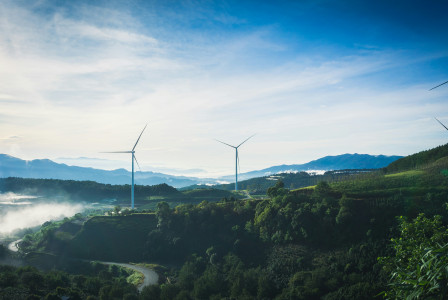
A growing share of the environmental impact of the outdoor sportswear and equipment industry lies upstream, in global supply chains that individual companies can influence only to a limited extent. The Carbon Reduction Project of the European Outdoor Group demonstrates how collaborative action among brands can help turn shared challenges into coordinated solutions.
European Outdoor Group
Topics
EU-27
Academic / Research and VET Institutions
Business Support Organisation
Company with 250 or more employees
Cluster Organisations
Consumer Organisations
Cultural and Heritage Organisations
Destination Management & Marketing Organisations
EU Institutions
Financial Institutions and Investors
Industry Associations and Chambers of Commerce
International Organisations
Local Authorities
Media / Journalist Organisations
National authorities
Networks and Federations / Confederations
NGOs / Non-profits
Notified Bodies
Regional Authorities
SMEs (a company with less than 250 employees)
Social Economy Entity
Trade Unions
Other
-
Transition Pathway's building blocks
-
-
Ecosystem's readiness to support EU strategic autonomy and defence efforts
-
Infrastructure
-
Investments and funding
-
R&I, techniques and technological solutions
-
Social dimension
-
Sustainable competitiveness
-
Regulation and public governance
-
-
Industrial ecosystems
-
-
Textile
-
-
Textiles ecosystem areas
-
-
Fibres, yarns and fabrics
-
Apparel and clothing accessories
-
Household/interior textiles
-
Technical textiles
-
Footwear
-
Research and Innovation
-
Waste management, reuse and repair
-
Share
The rationale for joint action on decarbonisation
The EU outdoor sportswear and equipment industry is characterised by a high degree of outsourcing outside Europe, with a significant share of production taking place in global supply chains. Most of the sector’s greenhouse gas emissions are concentrated in upstream stages, particularly in energy-intensive processes such as textile production, dyeing, printing, and finishing, due to their reliance on coal and gas. Over 90% of the GHG emissions reported in outdoor brands’ corporate carbon footprints are Scope 3 emissions, of which more than 70% relate to the purchase of goods and services (Source: Carbon Reduction Project Case Study, European Outdoor Group, November 2025).
These operations are generally carried out outside Europe. Leverage of EU companies over suppliers may be constrained, particularly when order volumes are fragmented or when suppliers serve multiple international customers. This creates a strong rationale for joint action.
The European Outdoor Group and its initiative
The European Outdoor Group (EOG) is a European industry association that brings together leading international brands and organisations active in the outdoor sportswear and equipment segment. It represents a broad membership across the value chain, including over one hundred organisations - brands, retailers, and suppliers - many of which produce or use textiles and advanced technical textiles in their products.
Within the framework of its Climate Action Programme, EOG launched the Carbon Reduction Project in 2021, a pre-competitive collaborative initiative aimed at reducing greenhouse gas emissions and increasing the use of renewable energy within the outdoor industry supply chain.
More specifically, the initiative is structured into five stages: mapping the supply chain networks of participating organisations; prioritising those requiring brand support; conducting an evaluation phase to identify the most emission-intensive processes (e.g. boilers, dyeing machines) and facilities; implementing improvements in shared supplier factories - co-funded by participating brands - to reduce emissions; and, finally, tracking and monitoring facility progress against targets.
The results
Since its launch, the project has involved 26 European brands across three participation rounds, held in 2021, 2022, and 2025. Participating brands include: Deuter, Fenix, Mammut, Gore, among others. Most of the facilities linked to participating brands are located in China (57%), followed by Taiwan (18%) and Vietnam (10%).
The initiative has engaged 21 facilities, which received hands-on technical support to measure emissions, develop reduction plans, and implement decarbonisation actions. In total, 275 mitigation actions were agreed for implementation by participating facilities, including optimisation of existing processes, investment in new technologies, and switching electricity supply to renewable sources.
For ten facilities under long-term monitoring (who have been participating since the beginning), emissions decreased by 48.2 million kg of CO₂e between 2021 and 2024, corresponding to a 66% reduction. It should be noted that this reduction reflects both mitigation actions initiated through the project and measures that were already underway prior to its launch. (Source: Carbon Reduction Project Case Study, European Outdoor Group, November 2025).
At the same time, the initiative is addressing more systemic barriers to decarbonisation. In Taiwan, where textile mills and SMEs face difficulties in accessing green electricity due to high costs, limited supply, and demanding contract conditions, the EOG is supporting the assessment of feasible off-site renewable electricity options for each supplier, as well as the development of practical business cases for collective procurement.
Conclusion
This initiative is characterised by several distinctive features that contribute to its effectiveness in achieving the environmental objectives of the EU. It is based on a pre-competitive, supply chain-level collaboration model, which is essential for European companies in the textile and apparel sector. Additionally, it provides hands-on technical support to supplier facilities, going beyond traditional target-setting approaches, and combines immediate mitigation actions with more systemic interventions, such as improving access to renewable energy for SMEs in key sourcing regions.
The continued participation of European brands over several years, together with the growing number of companies involved along the supply chain, also points to strong and sustained industry engagement. By leveraging shared suppliers and collective action, such initiatives can generate sector-wide impact, rather than isolated company-level results.
Comments (0)
Connected Partnership Opportunities
See also
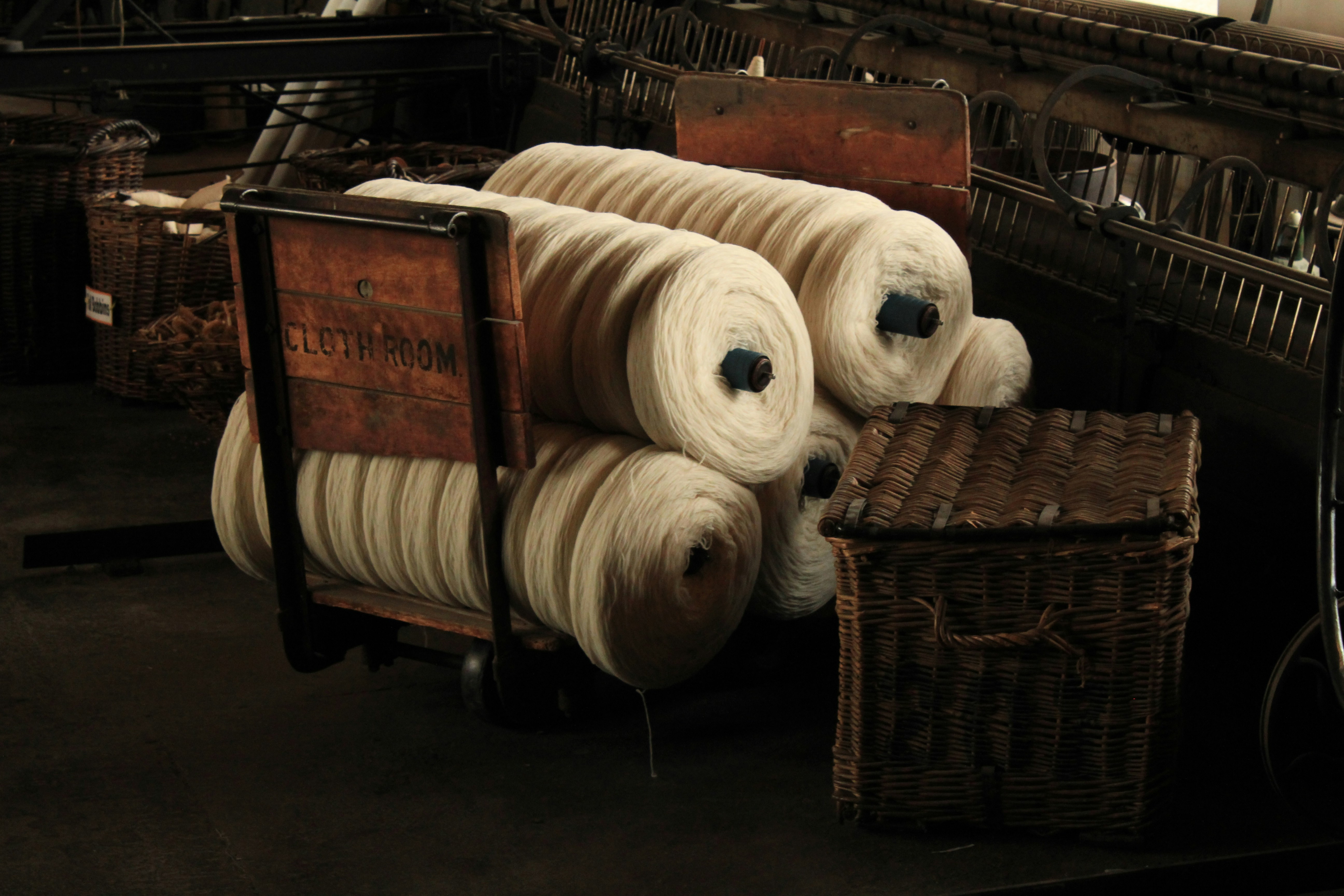
Industrial symbiosis: textile waste as a resource for furniture production
- Categories
- Infrastructure Investments and funding R&I, techniques and technological solutions +10 more
The role of trade fairs in supporting an ecosystem approach: the case of Textiles Recycling Expo
- Categories
- Infrastructure Investments and funding R&I, techniques and technological solutions +11 more
Introducing the ‘Themed Discussion Days’ on the EU Textiles Ecosystem Platform
- Categories
- Infrastructure Investments and funding R&I, techniques and technological solutions +26 more