

Library and support resources
24 March 2026
Circular bioeconomy article explores use of agro-industrial and leather waste
Library and support resources
24 March 2026
Login / create an account to be able to react
-
43
The European Circular Economy Stakeholder Platform’s article highlights how Favini uses agro-industrial, leather and textile waste to produce paper. It showcases specific product lines that integrate alternative raw materials, supporting circular bioeconomy practices.
Topics
Albania
Armenia
Austria
Belgium
Bosnia and Herzegovina
Bulgaria
Croatia
Cyprus
Czechia
Denmark
Estonia
EU-27
Finland
France
Georgia
Germany
Greece
Hungary
Iceland
Ireland
Italy
Kosovo
Latvia
Liechtenstein
Lithuania
Luxembourg
Malta
Moldova
Montenegro
Netherlands
North Macedonia
Norway
Poland
Portugal
Romania
Serbia
Slovakia
Slovenia
Spain
Sweden
Switzerland
Türkiye
Ukraine
Other
Academic / Research and VET Institutions
Business Support Organisation
Company with 250 or more employees
Cluster Organisations
Financial Institutions and Investors
Industry Associations and Chambers of Commerce
Local Authorities
Regional Authorities
SMEs (a company with less than 250 employees)
-
Transition Pathway's building blocks
-
-
R&I, techniques and technological solutions
-
Sustainable competitiveness
-
-
Industrial ecosystems
-
-
Textile
-
-
Textiles ecosystem areas
-
-
Fibres, yarns and fabrics
-
Leather and fur
-
Research and Innovation
-
Waste management, reuse and repair
-
Share
A publication titled ‘Circular bioeconomy: paper made with agro-industrial and leather waste’ which was featured on the European Circular Economy Stakeholder Platform, presents the work of Favini, showcasing how agro-industrial, leather and textile waste can be used to produce paper. The piece highlights how the company integrates by-products from different industries into paper manufacturing processes, supporting circular bioeconomy practices.
Key insights
- Paper production using recycled and alternative raw materials
Favini uses recycled fibres alongside alternative raw materials derived from agro-industrial and leather waste to reduce the use of virgin resources in paper production. - Shiro Echo uses 100% recycled fibres
The Shiro Echo paper range is produced entirely from recycled fibres, demonstrating the use of secondary raw materials in paper manufacturing. - Alga Carta incorporates algae biomass
The Alga Carta range uses algae collected from the Venice Lagoon as a raw material, integrating biological waste into production processes. - Crush uses agro-industrial residues
The Crush paper line includes residues from agro-industrial processes, such as citrus fruits, coffee, corn, olives and other organic by-products. - Remake integrates leather waste
The Remake range uses waste from the leather production process, showing how industrial by-products can be reused in new materials. - Refit uses textile production residues
The Refit paper range incorporates residues from wool and cotton processing, linking textile waste streams to paper production. - Products are recyclable and compostable
The paper products developed are designed to be recyclable and compostable, supporting circular use and end-of-life management.
The publication shows how industrial by-products from agro-industrial, leather and textile sectors can be integrated into paper production processes. By using alternative raw materials and recycled fibres, the approach supports resource efficiency and the reuse of waste within a circular bioeconomy framework.
For more detailed insights, readers can refer to the full article on European Circular Economy Stakeholder Platform website.
Comments (0)
Related content

Connected Partnership Opportunities
See also
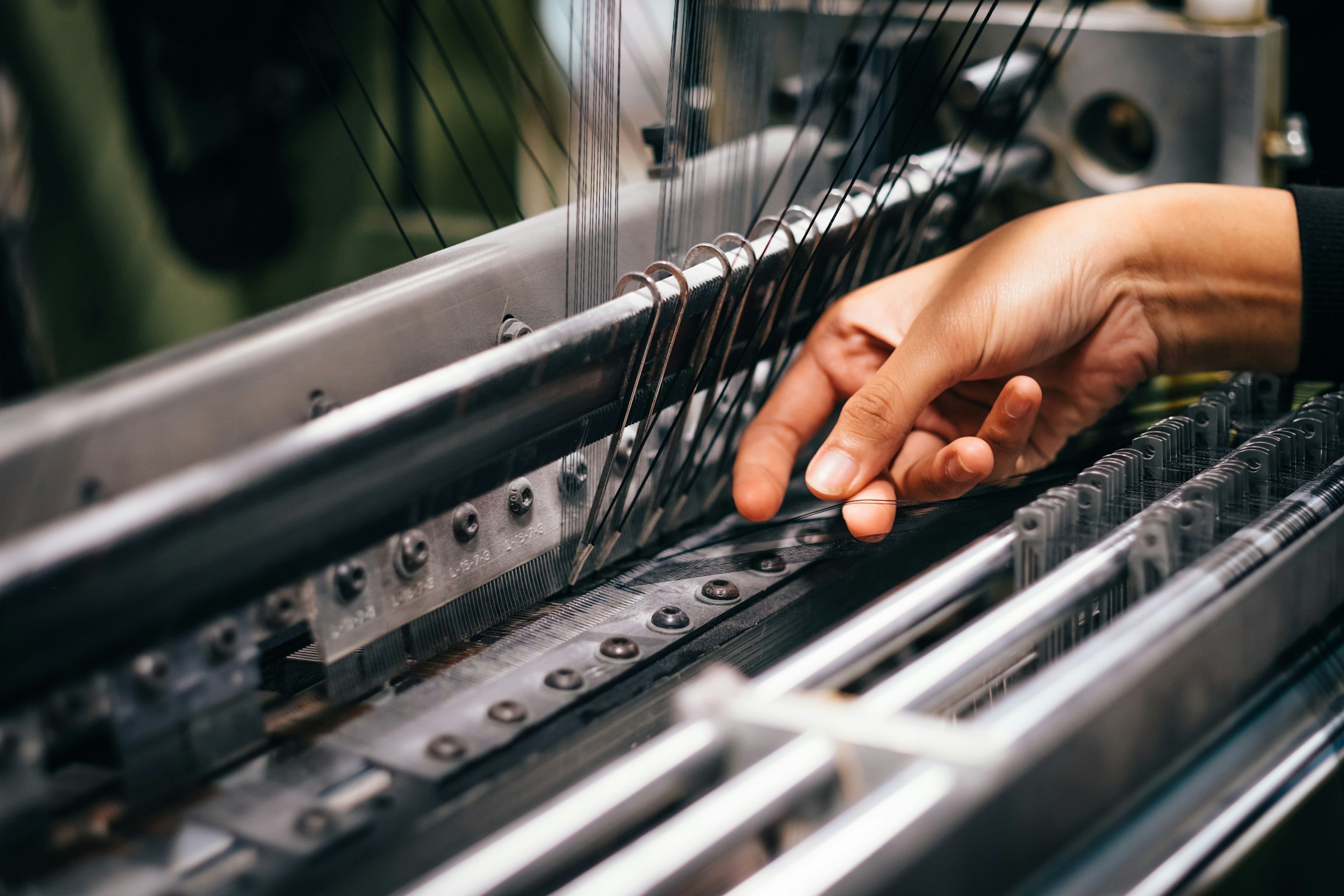
The EU’s 2024 Industrial Report reveals green and digital pathways for textiles transformation
- Categories
- Infrastructure Investments and funding R&I, techniques and technological solutions +16 more
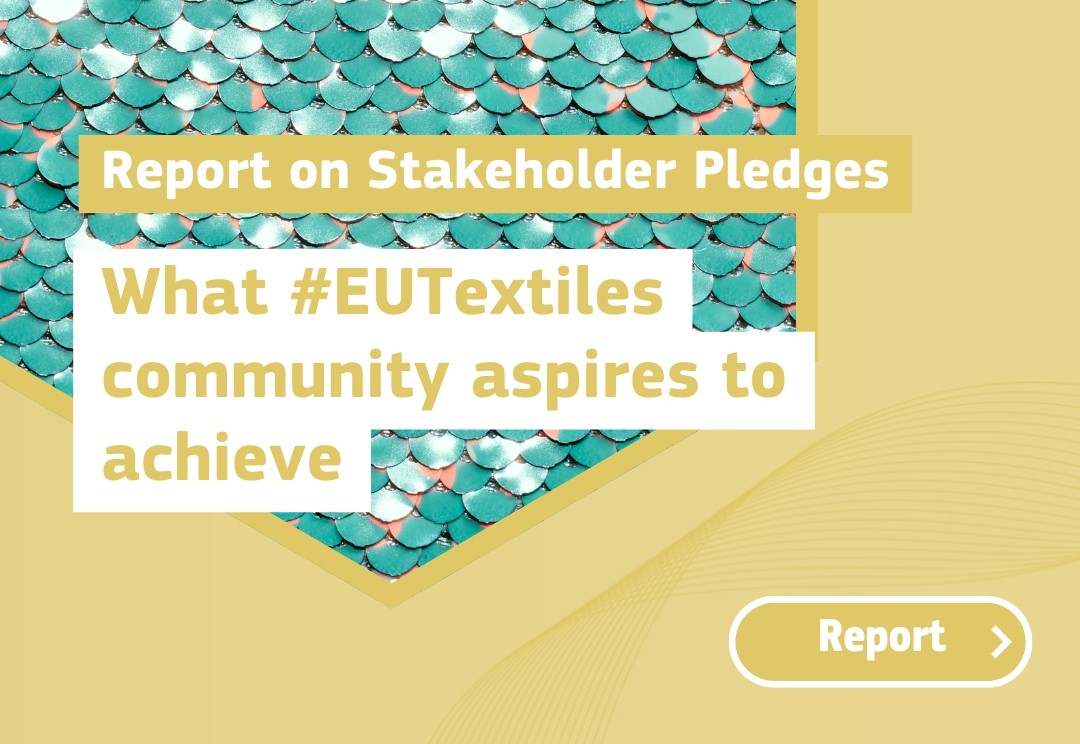
The first Report on Stakeholder Pledges is out!
- Categories
- Infrastructure Investments and funding R&I, techniques and technological solutions +19 more

Small mid‑caps: bridging the gap between SMEs and large companies
- Categories
- Infrastructure Investments and funding R&I, techniques and technological solutions +28 more