

Library and support resources
13 October 2026
Textile labelling rules
Library and support resources
13 October 2026
Login / create an account to be able to react
-
<a href="/user/login?destination=/textiles/library-and-support-resources/textile-labelling-rules%23comment-form">Log in</a> or <a href="/user/register?destination=/textiles/library-and-support-resources/textile-labelling-rules%23comment-form">register</a> to post comments
-
10
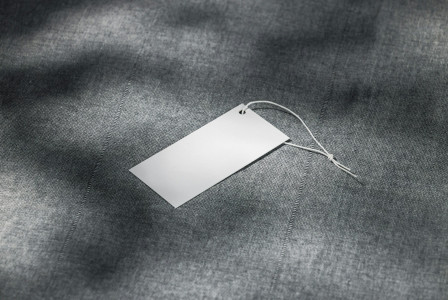
EU textile labelling rules require businesses to provide clear and accurate information on fibre composition, use authorised fibre names and meet language and presentation requirements, supporting consumer information and compliance across the textile market.
Topics
Albania
Armenia
Austria
Belgium
Bosnia and Herzegovina
Bulgaria
Croatia
Cyprus
Czechia
Denmark
Estonia
EU-27
Finland
France
Georgia
Germany
Greece
Hungary
Iceland
Ireland
Italy
Kosovo
Latvia
Liechtenstein
Lithuania
Luxembourg
Malta
Moldova
Montenegro
Netherlands
North Macedonia
Norway
Poland
Portugal
Romania
Serbia
Slovakia
Slovenia
Spain
Sweden
Switzerland
Türkiye
Ukraine
Other
Academic / Research and VET Institutions
Business Support Organisation
Company with 250 or more employees
Consumer Organisations
Financial Institutions and Investors
Industry Associations and Chambers of Commerce
International Organisations
Local Authorities
Media / Journalist Organisations
National authorities
Networks and Federations / Confederations
Regional Authorities
SMEs (a company with less than 250 employees)
-
Transition Pathway's building blocks
-
-
Sustainable competitiveness
-
Regulation and public governance
-
-
Industrial ecosystems
-
-
Textile
-
-
Textiles ecosystem areas
-
-
Fibres, yarns and fabrics
-
Apparel and clothing accessories
-
Household/interior textiles
-
Technical textiles
-
Leather and fur
-
Footwear
-
Business support and Communication
-
Share
The European Commission’s Your Europe portal outlines the labelling requirements businesses must follow when selling textile products in the European Union. Under EU rules, textile products must carry information identifying their fibre composition, helping consumers understand what products are made of and make informed purchasing decisions.
Key insights
- Mandatory fibre composition labelling: Textile products marketed in the EU must be labelled or marked to show their fibre composition. The requirements apply to products containing at least 80% textile fibres by weight, including clothing, furniture coverings, mattress coverings and camping tents.
- Information for consumers: Labels must identify the textile fibres used and state their percentages in descending order of weight. They must also indicate the presence of non-textile parts of animal origin.
- Clear and legible information: Labels must use clear, legible and consistent lettering. Information about fibre composition must be clearly separated from other details, such as product care instructions.
- Language requirements: Businesses selling textile products in different EU countries must translate label information into the official national languages required in the markets where the products are made available to consumers.
- Rules for fibre descriptions: Terms such as ‘100%’, ‘pure’ and ‘all’ may only be used when a product consists exclusively of one type of fibre. Businesses must also use fibre names included in the list established under EU legislation on textile fibre names and labelling.
- Business-to-business sales: For products supplied between businesses rather than directly to end consumers, labels may be replaced or supplemented by accompanying commercial documents.
- Market surveillance: National authorities can check whether textile products comply with labelling requirements at different stages of the supply chain, including customs clearance, distributors’ warehouses, and wholesale and retail outlets.
These requirements apply to businesses placing textile products on the EU market. The guidance also points businesses towards the EU Ecolabel as an option for products that meet recognised environmental excellence criteria.
For further information, please read the complete business requirements on European Commission website.
Comments (0)
Connected Partnership Opportunities
See also
The EU’s 2024 Industrial Report reveals green and digital pathways for textiles transformation
- Categories
- Infrastructure Investments and funding R&I, techniques and technological solutions +16 more
The EIT KICs Position Paper for a Circular and Sustainable Fashion and Textiles Industry in Europe
- Categories
- Infrastructure Investments and funding R&I, techniques and technological solutions +20 more
The EU Textiles Ecosystem Platform publishes the second edition of the Report on Best Practices
- Categories
- Infrastructure Investments and funding R&I, techniques and technological solutions +16 more