

Library and support resources
25 March 2026
The EU Textiles Ecosystem Platform publishes the second edition of the Report on Best Practices
Library and support resources
25 March 2026
Login / create an account to be able to react
-
<a href="/user/login?destination=/textiles/library-and-support-resources/eu-textiles-ecosystem-platform-publishes-second-edition%23comment-form">Log in</a> or <a href="/user/register?destination=/textiles/library-and-support-resources/eu-textiles-ecosystem-platform-publishes-second-edition%23comment-form">register</a> to post comments
-
910
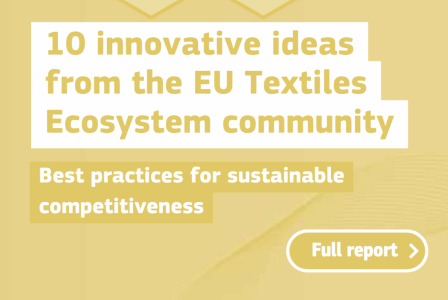
We are pleased to announce the publication of the second edition of the Report on Best Practices of the EU Textiles Ecosystem Platform! It highlights ten pioneering initiatives that are accelerating the ecosystem’s transition towards sustainability, circularity, digitalisation, resilience, and social responsibility. This report showcases how organisations across Europe are turning ambition into action, offering inspiration and practical models for the entire textiles value chain.
Topics
Albania
Armenia
Austria
Belgium
Bosnia and Herzegovina
Bulgaria
Croatia
Cyprus
Czechia
Denmark
Estonia
EU-27
Finland
France
Georgia
Germany
Greece
Hungary
Iceland
Ireland
Italy
Kosovo
Latvia
Liechtenstein
Lithuania
Luxembourg
Malta
Moldova
Montenegro
Netherlands
North Macedonia
Norway
Poland
Portugal
Romania
Serbia
Slovakia
Slovenia
Spain
Sweden
Switzerland
Türkiye
Ukraine
Other
Academic / Research and VET Institutions
Business Support Organisation
Company with 250 or more employees
Cluster Organisations
Consumer Organisations
Cultural and Heritage Organisations
Destination Management & Marketing Organisations
EU Institutions
Financial Institutions and Investors
Industry Associations and Chambers of Commerce
International Organisations
Local Authorities
Media / Journalist Organisations
National authorities
Networks and Federations / Confederations
NGOs / Non-profits
Notified Bodies
Regional Authorities
SMEs (a company with less than 250 employees)
Social Economy Entity
Trade Unions
Other
-
Transition Pathway's building blocks
-
-
Ecosystem's readiness to support EU strategic autonomy and defence efforts
-
Infrastructure
-
Investments and funding
-
R&I, techniques and technological solutions
-
Skills
-
Social dimension
-
Sustainable competitiveness
-
Regulation and public governance
-
-
Industrial ecosystems
-
-
Textile
-
-
Textiles ecosystem areas
-
-
Fibres, yarns and fabrics
-
Apparel and clothing accessories
-
Household/interior textiles
-
Technical textiles
-
Leather and fur
-
Footwear
-
Research and Innovation
-
Technology and Machinery
-
Waste management, reuse and repair
-
Business support and Communication
-
Not area specific (interested in more than one of the above)
-
Share
The EU Textiles Ecosystem Platform has released the second edition of the Best Practices report, highlighting ten outstanding initiatives published between August 2025 and January 2026. These best practices, identified and validated by the editorial team, showcase practical levers to support a more competitive, sustainable and resilient ecosystem: governance mechanisms that steer behaviour through incentives, digital infrastructures that organise material flows, and technology or service models that embed circularity into daily operations.
The report features both collective actions and company-led innovations, spanning a wide range of ecosystem segments and geographies. These best practices provide replicable examples across multiple stages of the textile lifecycle, from raw material sourcing and fibre production to manufacturing, distribution, use, repair and end-of-life management.
The following organisations and initiatives are featured in the report:
1. Lenzing: A Key Player in Sustainable Textile Innovation
Lenzing demonstrates a holistic approach to sustainability in the man-made fibres sector, combining responsible wood sourcing and science-based climate targets with circular innovations like incorporating recycled textile waste into new TENCEL™ Lyocell fibres.
2. Embedding circular thinking in product design: IKEA guidelines
IKEA translates circular economy principles into accessible product design guidelines, actively reducing its environmental footprint by focusing on durability, repairability, and integrating recycled and alternative fibres into its home textiles.
3. BIOTEXFUTURE: transforming the textile industry towards bio-based materials
This open innovation platform brings together research institutes and industry partners in Germany to fund and accelerate the transition from petroleum-based raw materials to sustainable, bio-based textile alternatives.
4. Refashion: from compliance mechanism to ecosystem enabler
Operating in France, this Extended Producer Responsibility (EPR) scheme goes beyond mandatory waste collection by using eco-modulated fees to actively fund and incentivise eco-design, repair, reuse, and recycling innovation across the value chain.
5. Lindström: a professional textile service model grounded in circular economy principles
This Finnish company showcases the environmental benefits of a service-based rental model for professional textiles, extending product lifecycles through durable design, systematic maintenance, repair, and structured end-of-life recycling.
6. Driving Circularity Through Waste-Derived Materials in Textiles and Leather
Highlighting industrial symbiosis, pioneers like Orange Fiber and Sabant are successfully transforming agricultural by-products—such as citrus peels and brewery barley malt—into luxurious, sustainable fabrics and vegan leather alternatives.
7. Ethletic: a practical approach to ethical and sustainable footwear
This German sneaker brand embeds fair-trade and ethical production throughout its supply chain, ensuring living wages for workers in Pakistan, utilising vegan materials, and offering direct repair services to extend product life.
8. Connecting actors of the textile value chain through digital platforms: the case of the Reverse Resources Platform
Reverse Resources provides a digital Software-as-a-Service (SaaS) platform that traces production leftovers globally, intelligently matching available textile waste streams with recyclers to scale high-value, textile-to-textile recycling.
9. Technology centres as ecosystem orchestrators: the case of the Portuguese CITEVE
CITEVE supports SMEs, offering advanced testing, prototyping, and applied research capabilities while leading the Portuguese Textile Cluster to drive green and digital innovation.
10. Optimising textile production: AI-Driven and process-oriented solution to reduce cutting scrap
Lectra leverages artificial intelligence and cloud-based high-performance computing to optimise material nesting and cutting processes, significantly reducing fabric and leather scrap while balancing sustainability with manufacturing profitability.
Each case study in the report is described in detail, providing practical insights into the challenges faced, solutions developed, and results achieved. Readers will find concrete examples of how digital infrastructures, structured design guidelines, and cross-sector partnerships are already transforming the textiles ecosystem.
The EU Textiles Ecosystem Platform will continue to identify and share new best practices, encouraging all stakeholders to engage, propose their own initiatives, and draw inspiration from these leading examples.
Read the full second edition of the Report on Best Practices for detailed insights and discover how the textiles ecosystem is advancing towards a more competitive, greener, and more resilient future.
Documents
Comments (0)
Connected Partnership Opportunities
See also
-
<a href="/user/login?destination=/textiles/library-and-support-resources/eus-2024-industrial-report-reveals-green-and-digital%23comment-form">Log in</a> or <a href="/user/register?destination=/textiles/library-and-support-resources/eus-2024-industrial-report-reveals-green-and-digital%23comment-form">register</a> to post comments
-
279
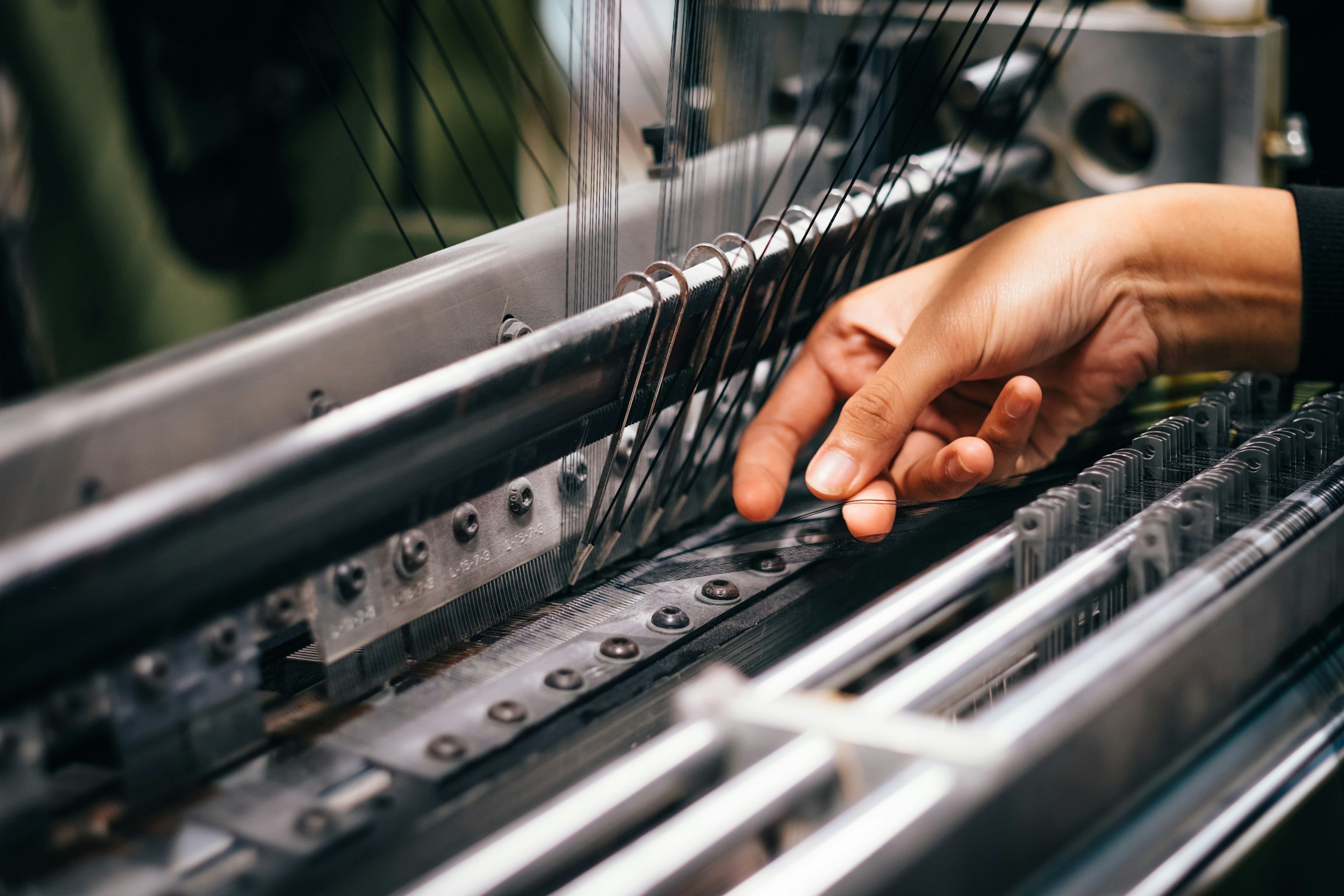
The EU’s 2024 Industrial Report reveals green and digital pathways for textiles transformation
- Categories
- Infrastructure Investments and funding R&I, techniques and technological solutions +16 more
-
<a href="/user/login?destination=/textiles/library-and-support-resources/first-report-stakeholder-pledges-out%23comment-form">Log in</a> or <a href="/user/register?destination=/textiles/library-and-support-resources/first-report-stakeholder-pledges-out%23comment-form">register</a> to post comments
-
519
The first Report on Stakeholder Pledges is out!
- Categories
- Infrastructure Investments and funding R&I, techniques and technological solutions +19 more

-
<a href="/user/login?destination=/textiles/library-and-support-resources/eu-textiles-ecosystem-platform-publishes-first-report-best%23comment-form">Log in</a> or <a href="/user/register?destination=/textiles/library-and-support-resources/eu-textiles-ecosystem-platform-publishes-first-report-best%23comment-form">register</a> to post comments
-
851
The EU Textiles Ecosystem Platform publishes the first Report on Best Practices
- Categories
- Infrastructure Investments and funding R&I, techniques and technological solutions +19 more