

News
18 March 2026
Adaptive technology and sustainability at the Milano Cortina 2026 Paralympic Games
News
18 March 2026
Login / create an account to be able to react
-
45
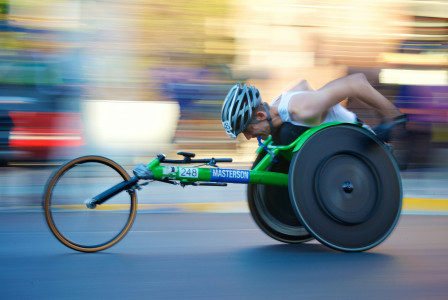
The Milano Cortina Paralympic Games have been a milestone event for the advancement of inclusive and adaptive technology in winter sports, improving accessibility and innovation for athletes.
Milano-Cortina Winter Olympics 2026
Milano-Cortina Winter Paralympics 2026
Topics
Albania
Armenia
Austria
Belgium
Bosnia and Herzegovina
Bulgaria
Croatia
Cyprus
Czechia
Denmark
Estonia
EU-27
Finland
France
Georgia
Germany
Greece
Hungary
Iceland
Ireland
Italy
Kosovo
Latvia
Liechtenstein
Lithuania
Luxembourg
Malta
Moldova
Montenegro
Netherlands
North Macedonia
Norway
Poland
Portugal
Romania
Serbia
Slovakia
Slovenia
Spain
Sweden
Switzerland
Türkiye
Ukraine
Other
Academic / Research and VET Institutions
EU Institutions
Financial Institutions and Investors
International Organisations
Local Authorities
National authorities
Regional Authorities
-
Transition Pathway's building blocks
-
-
Investments and funding
-
R&I, techniques and technological solutions
-
Social dimension
-
-
Industrial ecosystems
-
-
Digital
-
Proximity and social economy
-
-
Textiles ecosystem areas
-
-
Fibres, yarns and fabrics
-
Apparel and clothing accessories
-
Technical textiles
-
Research and Innovation
-
Technology and Machinery
-
Share
On 15 March 2026, the Milano Cortina Paralympic Games closing ceremony wrapped up two months of worldwide, breathtaking athletic competitions. Both the Olympic and the Paralympic Games were unique for their approach to innovation, sustainability, and technological adaptation. These events had global resonance, hosting hundreds of thousands of fans from all over the globe and over 3,500 athletes from 93 countries.
The Winter Paralympics Games showcased new frontiers of adaptive technologies, as competitions rely on a careful combination of tools and systems. Para alpine skiing saw custom ski and boot setups, which allowed athletes to compete in mono-skis or sit-skis competitions. In Para ice hockey, protective gear was adapted to posture and impact patterns, and studies are ongoing to integrate adaptive clothing with sensor-based systems, which may analyse collisions and movement patterns to optimise injury prevention.
To guarantee accessibility, equipment pieces and clothing gear have been meticulously customised. Fashion companies sponsoring uniforms for national teams focused clothing adaptability based on the athletes’ needs, including adjustments for prosthetic components.
The adaptive winter sports technology seen at Milano Cortina was the result of a cross-disciplinary team, bringing together insights from engineers, sports scientists, design experts, and athletes. More specifically, sponsors and manufacturers have played a crucial role in funding research and development, and scaling innovations.
In the foreseeable future, material science is focusing on stronger and lighter composites, smart materials, and 3D-printed elements to improve resilience and flexibility. Digital technology and Artificial Intelligence will play an increasingly larger role, providing real-time feedback, technique analysis, and guidance for the visually impaired.
Comments (0)
Related content


Connected Partnership Opportunities
See also

Share your views: Take part in the Stakeholder Support Platform (SSP) survey by 8 May 2026
- Categories
- Infrastructure Investments and funding R&I, techniques and technological solutions +28 more

EU channels €207 billion towards Digital Decade goals
- Categories
- Infrastructure Investments and funding R&I, techniques and technological solutions +28 more

The reports on best practices and pledges from the EU Textiles Ecosystem Platform are out now!
- Categories
- Infrastructure Investments and funding R&I, techniques and technological solutions +22 more