

News
25 November 2026
Bangladesh garment workers renew wage protests amid rising living costs
News
25 November 2026
Login / create an account to be able to react
-
2
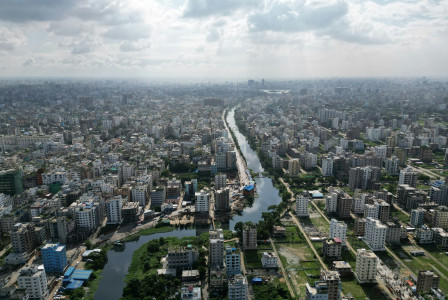
Garment workers in Bangladesh are demanding a Tk 32,000 monthly minimum wage amid protests, factory closures and reports of labour-rights violations. A Clean Clothes Campaign survey found that 89% of respondents cannot cover their families' basic expenses with their current wages. The campaign is calling on international brands to support the wage increase, absorb additional labour costs and ensure workers' rights are protected throughout the negotiations.
Topics
Albania
Armenia
Austria
Belgium
Bosnia and Herzegovina
Bulgaria
Croatia
Cyprus
Czechia
Denmark
Estonia
EU-27
Finland
France
Georgia
Germany
Greece
Hungary
Iceland
Ireland
Italy
Kosovo
Latvia
Liechtenstein
Lithuania
Luxembourg
Malta
Moldova
Montenegro
Netherlands
North Macedonia
Norway
Poland
Portugal
Romania
Serbia
Slovakia
Slovenia
Spain
Sweden
Switzerland
Türkiye
Ukraine
Other
Academic / Research and VET Institutions
Business Support Organisation
Company with 250 or more employees
Cluster Organisations
Consumer Organisations
Cultural and Heritage Organisations
Destination Management & Marketing Organisations
EU Institutions
Financial Institutions and Investors
Industry Associations and Chambers of Commerce
International Organisations
Local Authorities
Media / Journalist Organisations
National authorities
Networks and Federations / Confederations
NGOs / Non-profits
Notified Bodies
Regional Authorities
SMEs (a company with less than 250 employees)
Social Economy Entity
Trade Unions
Other
-
Transition Pathway's building blocks
-
-
Social dimension
-
-
Industrial ecosystems
-
-
Textile
-
-
Textiles ecosystem areas
-
-
Apparel and clothing accessories
-
Share
Garment workers in Bangladesh are mobilising to demand a minimum monthly wage of Tk 32,000, arguing that the current Tk 12,500 minimum falls far short of covering basic living expenses amid sustained inflation and rising costs of food, housing and healthcare. Protests have spread across garment-producing areas around Dhaka, contributing to factory closures, confrontations and growing tensions within the sector.
According to the Clean Clothes Campaign (CCC), the current wage is insufficient to ensure a decent standard of living. A survey of 1,094 garment workers conducted between May and August 2026 found that 89% reported being unable to cover their families' basic expenses. Workers described resorting to additional overtime, loans and borrowing from relatives to make ends meet, while the survey also highlighted widespread wage and working-time violations.
The wage dispute has also raised concerns about workers' fundamental rights, with reports of violence, dismissals, blacklisting and restrictions on freedom of association during the protests. The Clean Clothes Campaign is calling on international fashion companies to publicly support the Tk 32,000 wage demand, commit to maintaining their sourcing activities in Bangladesh and absorb higher labour costs through purchasing prices that enable suppliers to pay decent wages. It is also urging brands to take action against retaliation and abuses affecting workers.
The ongoing negotiations highlight the responsibility of international buyers in shaping labour conditions across global supply chains, reinforcing the need for purchasing practices that support living wages and respect workers' rights.
Comments (0)
Connected Partnership Opportunities
See also

EU Ecolabel reinforces trust in circular economy at the EU Green Week 2025
- Categories
- Infrastructure R&I, techniques and technological solutions Social dimension +26 more
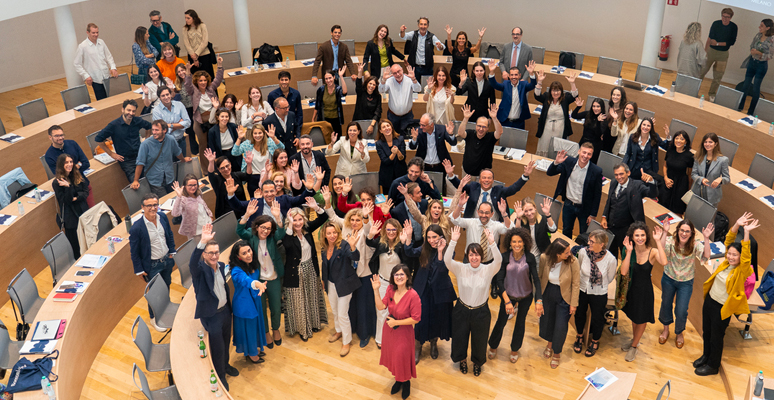
Transform to perform: M4CF 2025/2026 multistakeholder event
- Categories
- Skills Social dimension Sustainable competitiveness +13 more

Public Comment Period Open for GRI Sector Standard on Textiles and Apparel
- Categories
- Social dimension Sustainable competitiveness Regulation and public governance +12 more