

News
07 July 2026
New E-commerce duty for small packages set to increase fairness for EU businesses and safety for consumers
News
07 July 2026
Login / create an account to be able to react
-
86
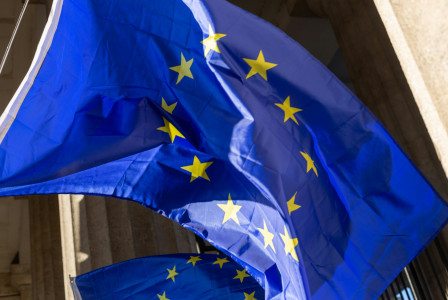
The European Commission has proposed a new handling fee of €3 for low-value e-commerce parcels imported directly to consumers into the EU, alongside measures to strengthen customs controls, improve consumer safety, and create a fairer competitive environment for European businesses. The proposal forms part of broader efforts to modernise the EU Customs Union and address the rapid growth of online imports.
Topics
Austria
Belgium
Bulgaria
Croatia
Cyprus
Czechia
Denmark
EU-27
Finland
France
Germany
Greece
Hungary
Ireland
Italy
Latvia
Lithuania
Luxembourg
Malta
Netherlands
Poland
Portugal
Romania
Serbia
Slovakia
Slovenia
Spain
Sweden
Company with 250 or more employees
Cluster Organisations
Consumer Organisations
EU Institutions
Industry Associations and Chambers of Commerce
National authorities
Networks and Federations / Confederations
SMEs (a company with less than 250 employees)
Trade Unions
-
Transition Pathway's building blocks
-
-
Regulation and public governance
-
-
Industrial ecosystems
-
-
Digital
-
Retail
-
Textile
-
-
Textiles ecosystem areas
-
-
Fibres, yarns and fabrics
-
Apparel and clothing accessories
-
Household/interior textiles
-
Technical textiles
-
Leather and fur
-
Footwear
-
Business support and Communication
-
Share
From 1 July 2026, the EU abolishes an outdated customs duty exemption for e-commerce packages worth less than €150. The measure will help to ensure fair conditions for EU businesses and safe choices for consumers, in response to the surge of billions of low-value e-commerce goods entering the EU. Goods coming from third countries bought online and shipped directly to consumers will now pay a €3 customs duty per item.
The €150 customs duty exemption was designed for an era of occasional online purchases and less digitalised customs systems. This no longer fits reality, and its removal corrects a long-standing structural imbalance for EU enterprises. Across Europe, town high streets are becoming increasingly deserted, undermining local job opportunities and weakening community life. From an environmental perspective, the fast-paced e-commerce model contributes to packaging waste and carbon-heavy logistics, with frequent returns and long-distance shipping doubling transport pollution.
This measure restores fairness across importers, ensuring that EU retailers importing in bulk, and large-scale non-EU online operators compete under the same regulatory conditions.
Maros Šefčovič, EU Commissioner for Trade and Economic Security, said:
Open market, equal rules. The EU e-commerce market stays open – but it cannot come at the expense of European consumers and businesses. Goods entering the Union should meet the same standards of compliance and traceability as goods sold in our Single Market. Platforms and sellers profiting from European consumers must play by the same rules as European businesses. Scrapping the de minimis exemption simply brings our customs system up to speed with how trade works today – resulting in fairer competition, stronger enforcement, better consumer protection.
More information is available online in the press release and the questions and answers.
Comments (0)
Connected Partnership Opportunities
See also
EU commission adopts second sectoral package for 2028-2034 long-term budget
- Categories
- Regulation and public governance Aerospace and defence Agri-food +22 more

Share your views: Take part in the Stakeholder Support Platform (SSP) survey by 8 May 2026
- Categories
- Infrastructure Investments and funding R&I, techniques and technological solutions +28 more

EU channels €207 billion towards Digital Decade goals
- Categories
- Infrastructure Investments and funding R&I, techniques and technological solutions +28 more