

News
30 September 2026
Première Vision Paris highlights new drivers of competitiveness for the fashion industry
News
30 September 2026
Login / create an account to be able to react
-
<a href="/user/login?destination=/textiles/news/premiere-vision-paris-highlights-new-drivers-competitiveness-fashion-industry%23comment-form">Log in</a> or <a href="/user/register?destination=/textiles/news/premiere-vision-paris-highlights-new-drivers-competitiveness-fashion-industry%23comment-form">register</a> to post comments
-
22
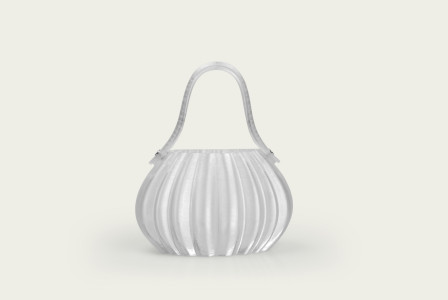
Première Vision Paris 2026 highlighted how innovation, digitalisation and more responsible production are becoming key drivers of competitiveness in the fashion industry. The event showcased new materials, traceability and Digital Product Passport solutions, AI and 3D design tools, recycling technologies and lower-impact manufacturing processes, while also promoting collaboration between fashion, beauty and technology ecosystems.
Première Vision Paris
Topics
Albania
Armenia
Austria
Belgium
Bosnia and Herzegovina
Bulgaria
Croatia
Cyprus
Czechia
Denmark
Estonia
EU-27
Finland
France
Georgia
Germany
Greece
Hungary
Iceland
Ireland
Italy
Kosovo
Latvia
Liechtenstein
Lithuania
Luxembourg
Malta
Moldova
Montenegro
Netherlands
North Macedonia
Norway
Poland
Portugal
Romania
Serbia
Slovakia
Slovenia
Spain
Sweden
Switzerland
Türkiye
Ukraine
Other
Academic / Research and VET Institutions
Business Support Organisation
Company with 250 or more employees
Cluster Organisations
Consumer Organisations
Cultural and Heritage Organisations
Destination Management & Marketing Organisations
EU Institutions
Financial Institutions and Investors
Industry Associations and Chambers of Commerce
International Organisations
Local Authorities
Media / Journalist Organisations
National authorities
Networks and Federations / Confederations
NGOs / Non-profits
Notified Bodies
Regional Authorities
SMEs (a company with less than 250 employees)
Social Economy Entity
Trade Unions
Other
-
Transition Pathway's building blocks
-
-
R&I, techniques and technological solutions
-
Sustainable competitiveness
-
-
Industrial ecosystems
-
-
Textile
-
-
Textiles ecosystem areas
-
-
Fibres, yarns and fabrics
-
Apparel and clothing accessories
-
Household/interior textiles
-
Technical textiles
-
Leather and fur
-
Footwear
-
Research and Innovation
-
Technology and Machinery
-
Waste management, reuse and repair
-
Business support and Communication
-
Not area specific (interested in more than one of the above)
-
Share
The September 2026 edition of Première Vision Paris brought together more than 900 international exhibitors from across the fashion value chain, with innovation and technology at the centre of the event. Held from 1 to 3 September, the fair highlighted how new materials, digital technologies and more responsible production processes are increasingly becoming strategic tools for competitiveness in the fashion and creative industries.
Under the Innovation-Tech theme, the event showcased solutions addressing some of the sector's key challenges, from material innovation and recycling to traceability, artificial intelligence and manufacturing optimisation. Among the materials presented were leather alternatives derived from food waste, mycelium-based materials, PLA fibres, closed-loop recycled polyester and plant-based alternatives to fur. The range of solutions illustrates the growing diversity of approaches being explored to reduce environmental impacts while maintaining the technical and commercial performance required by fashion brands.
Digitalisation was another central theme. Première Vision presented technologies supporting product data management, raw material traceability and Digital Product Passport-related strategies, alongside tools for trend forecasting, 3D design and product development. Companies such as Lenzing, Arvind Limited, Circlo EcoDesign & Circularity, Heuritech, CLO Virtual Fashion and Shima Seiki were among those presenting solutions in these areas. The combination of digital product information with design and supply-chain technologies points to a closer integration between sustainability objectives and product development processes.
The event also placed emphasis on more responsible manufacturing. Textile recycling, eco-design, low-impact dyeing, enzymatic recycling and technologies aimed at improving production processes were presented as practical solutions for companies seeking to reduce environmental impacts while responding to changing market requirements. Technical textiles were also represented through innovations such as PFAS-free membranes, bio-based fibres and high-performance materials designed to improve durability, breathability and waterproofness.
Beyond the exhibition floor, more than 100 international experts contributed to a conference programme addressing innovation, sustainability, technology, consumer behaviour and market developments. The programme reflects a broader shift in the industry's innovation agenda, where technological development is increasingly connected with changes in consumer expectations, business models and production systems.
The September edition also expanded the event's scope beyond textiles and fashion through a new Cosmetic Village, developed in partnership with Cosmetic Valley. The initiative reflects the growing convergence between fashion and beauty and the potential for cross-industry collaboration around innovation, product development and new consumer experiences.
Comments (0)
Connected Partnership Opportunities
See also

Join the upcoming Themed Discussion on digitalisation in textiles!
- Categories
- Skills Sustainable competitiveness Regulation and public governance +15 more

EURATEX supports the Digital Product Passport: when well designed, the DPP can drive sustainability across Europe’s textile value chain
- Categories
- Infrastructure Investments and funding R&I, techniques and technological solutions +28 more
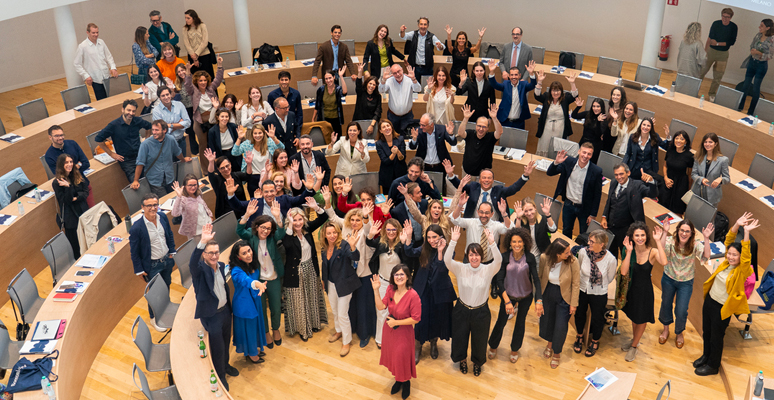
Transform to perform: M4CF 2025/2026 multistakeholder event
- Categories
- Skills Social dimension Sustainable competitiveness +13 more