

Policy background
13 July 2026
EU sets world’s first voluntary standard for permanent carbon removals
Policy background
13 July 2026
Login / create an account to be able to react
-
<a href="/user/login?destination=/textiles/policy-background/eu-sets-worlds-first-voluntary-standard-permanent-carbon-removals%23comment-form">Log in</a> or <a href="/user/register?destination=/textiles/policy-background/eu-sets-worlds-first-voluntary-standard-permanent-carbon-removals%23comment-form">register</a> to post comments
-
71
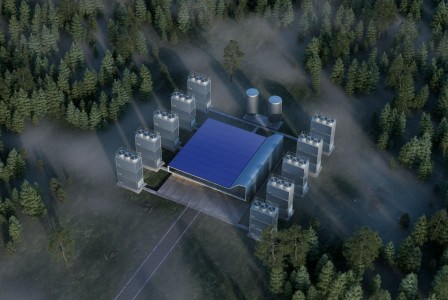
On 3 February 2026, the Commission adopted the first set of methodologies under the carbon removals and carbon farming (CRCF) Regulation to certify activities that permanently remove CO2 from the atmosphere. By adopting these first voluntary certification methodologies, the EU is setting clear rules and creating new opportunities for climate innovation, investments in carbon removal technologies and addressing greenwashing. This milestone positions the European Union as a global leader in carbon removals, helping to create an emerging market for both innovative start-ups and a major EU bioeconomy while supporting the EU’s objective of becoming climate-neutral by 2050.
Topics
EU-27
Company with 250 or more employees
Cluster Organisations
EU Institutions
Industry Associations and Chambers of Commerce
International Organisations
Local Authorities
National authorities
Networks and Federations / Confederations
Notified Bodies
Regional Authorities
SMEs (a company with less than 250 employees)
-
Transition Pathway's building blocks
-
-
Regulation and public governance
-
-
Industrial ecosystems
-
-
Aerospace and defence
-
Construction
-
Cultural and creative industries
-
Digital
-
Energy intensive industries
-
Energy-renewables
-
Mobility, transport, automotive
-
Textile
-
-
Textiles ecosystem areas
-
-
Fibres, yarns and fabrics
-
Apparel and clothing accessories
-
Household/interior textiles
-
Technical textiles
-
Leather and fur
-
Footwear
-
Research and Innovation
-
Technology and Machinery
-
Waste management, reuse and repair
-
Share
The new rules cover three types of permanent carbon removal activities, selected for their technological maturity and potential contribution to the EU’s climate objectives:
- Direct air capture with carbon storage (‘DACCS’)
- Biogenic emissions capture with carbon storage (‘BioCCS’)
- Biochar carbon removal (‘BCR’).
Wopke Hoekstra, European Commissioner for Climate, Net-Zero and Clean Growth stated, “The European Union is taking decisive action to lead the global effort in carbon removals. By establishing clear, robust voluntary standards, we are not only fostering responsible and climate action within Europe but also setting a global benchmark for others to follow. This is a vital step toward achieving our climate neutrality targets and ensuring a sustainable future.”
With the certification framework and the governance rules now in place, carbon removal projects using DACCS, BioCCS, and biochar can start applying for EU certification. This marks the transition from rule-setting to action, allowing the first projects to be certified and recognised under the EU’s carbon removal framework in the coming months.
A European standard for permanent carbon removals
The three methodologies adopted set out clear legally grounded and voluntary rules for permanent carbon removals, defining what counts as a tonne of removal, how permanence must be ensured, and how the key risks such as leakages and liabilities are addressed. Together, they establish the European Union’s first comprehensive standard for permanent carbon removals, providing long-awaited clarity for companies and investors active in this rapidly growing field.
By building on existing EU climate legislation, the certification framework ensures environmental integrity while keeping administrative complexity to a minimum.
Next steps
The delegated Regulation will be transmitted to the European Parliament and the Council of the EU for a two-month scrutiny period, which may be extended by a further two months. Following the publication in the Official Journal it will entry into force 20 days thereafter.
The Commission is finalising two additional delegated regulations for certification methodologies, with adoption expected in 2026:
- Carbon farming methodologies for activities such as agriculture and agroforestry, peatland rewetting and afforestation. These methodologies will help farmers and foresters get result-based payments, complementing their income and supporting them in the transition towards a more resilient production system.
- Methodologies for carbon storage in bio-based construction products, which will help building owners demonstrate the carbon-storage performance of their buildings, and encourage the construction sector to adopt circular-bioeconomy principles.
To kick-start the voluntary market for CRCF credits, the Commission announced the establishment of an EU Buyers’ Club for permanent removals and carbon farming under the new EU Bioeconomy Strategy. The Commission is exploring how best to catalyse both public and private finance and accelerate the deployment and scaling of carbon removal technologies. The European Innovation Council and the Innovation Fund also support innovative carbon removal projects.
For additional information and background, refer to the official European Commission website.
Read stakeholders’ Opinions and join the conversation.
Comments (0)
Connected Partnership Opportunities
See also

Net-Zero Industry Act: boosting the EU’s capacity
- Categories
- R&I, techniques and technological solutions Sustainable competitiveness Regulation and public governance +24 more
European Green Deal: A path to a sustainable future
- Categories
- Infrastructure Investments and funding R&I, techniques and technological solutions +28 more

Energy Union Task Force takes stock of oil and gas security of supply in the EU
- Categories
- Aerospace and defence Agri-food Construction +21 more