

Best practices
21 August 2025
Sustainable EU Tourism Project - Best Practice: Brussels-Capital Region
Best practices
21 August 2025
Login / create an account to be able to react
-
47

Brussels, Belgium, has positioned itself as a pioneer in sustainable and smart mobility for tourism, thanks to its comprehensive “Good Move” mobility plan and multi-stakeholder collaboration. By investing in rail connections, cycling infrastructure, shared mobility services, and inclusive transport solutions, the region has strengthened its accessibility for both residents and visitors. Through digital innovation such as the Floya and Brussels Card apps, and sustainability schemes like the Green Key programme, Brussels has enhanced the visitor experience while prioritising environmental and social well-being.
Sustainable EU Tourism project
Sustainable EU Tourism project
Topics
Belgium
Destination Management & Marketing Organisations
Regional Authorities
-
Specific types of tourism
-
-
Cultural tourism
-
MICE tourism
-
Urban/city tourism
-
-
Transition Pathway Strategic Areas
-
-
Accessible tourism services
-
Best practices, peer learning and networking
-
Digitalisation of tourism SMEs and destinations
-
Multimodal travelling
-
Sustainable mobility
-
Tourism strategies
-
-
Business activities
-
-
Other tourism transportation activities
-
Rail Passenger transport
-
Road passenger transport
-
Water (sea, coastal and inland) passenger transport
-
Share
The Brussels-Capital Region has been recognised as a best practice by the Sustainable EU Tourism project for its pioneering approach to sustainable and smart mobility. With its strategic location at the heart of Europe and a strong dependence on business and event tourism, Brussels faced the challenge of ensuring seamless travel while improving residents’ quality of life and reducing emissions. Since 2020, the “Good Move” mobility plan has guided efforts to promote soft mobility, car-free zones, and sustainable transport infrastructure.
Key measures include improved rail connections (such as night trains), extensive cycling infrastructure supported by the Bike Friendly label, and shared mobility services like car-, bike- and scooter-sharing. Accessibility has been strengthened through initiatives like Access-i certification, wheelchair-accessible transport, and tactile paving for visually impaired visitors. Digital innovations such as the Floya mobility app and the Brussels Card app integrate multiple services into a user-friendly experience, while the Green Key label fosters environmentally responsible tourism businesses. Results include reduced air pollution, increased public transport use (375.8 million trips in 2023), and greater inclusivity in urban mobility.
Brussels’ experience demonstrates the importance of aligning tourism development with sustainability, accessibility, and innovation. This best practice shows how destinations can enhance visitor experiences, reduce environmental impact, and improve residents’ quality of life through integrated mobility solutions.
Documents
Comments (0)
See also
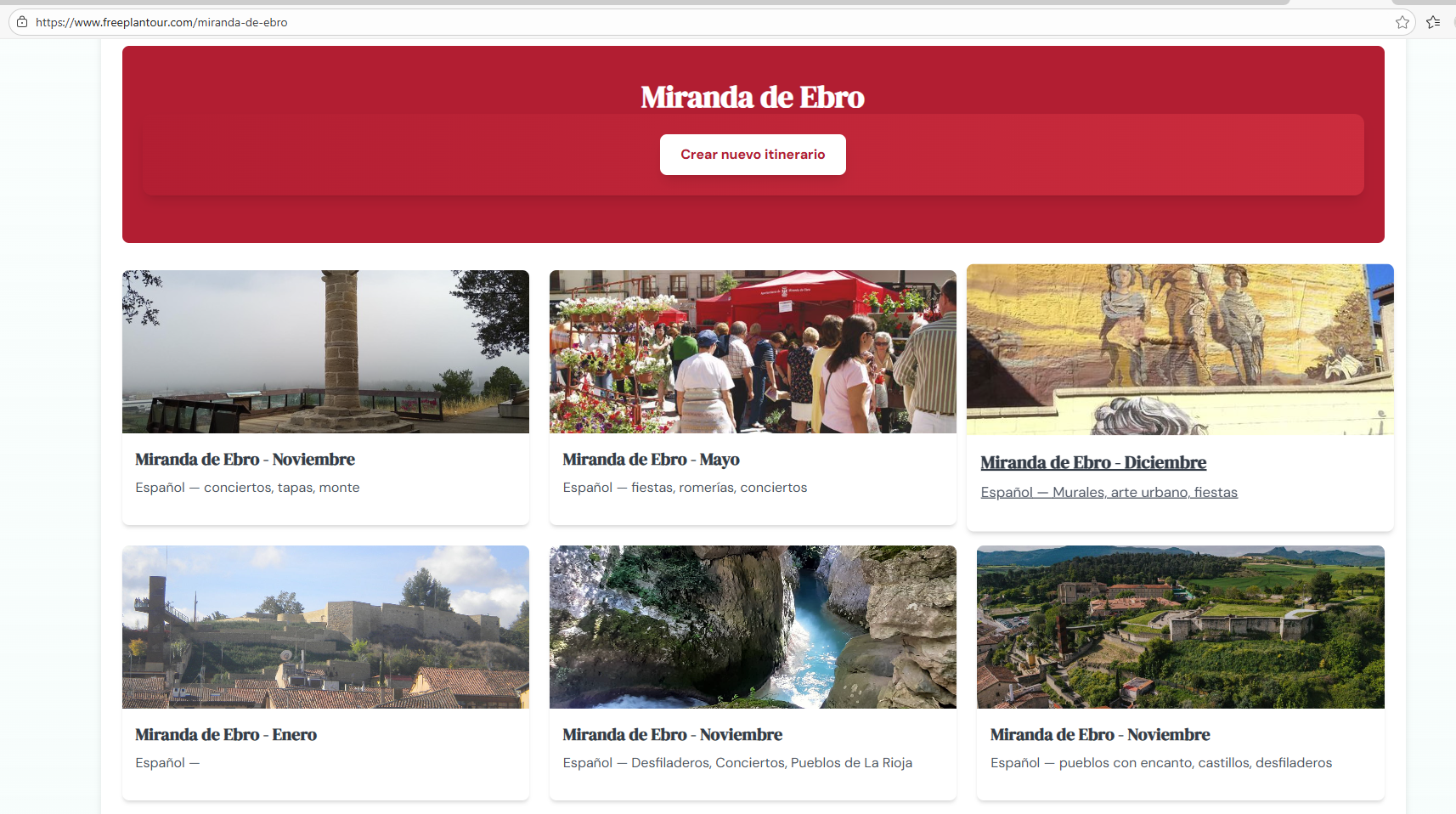
Platform for creating accessible and multilingual itineraries with voice assistant
- Categories
- Coastal, maritime and inland water tourism Cultural tourism Ecotourism +64 more

Platform supports tourism sector to make the green and digital transitions
- Categories
- Coastal, maritime and inland water tourism Cultural tourism Ecotourism +64 more

From Guesswork to Governance: The EU’s Move Toward Smarter STR Data
- Categories
- Coastal, maritime and inland water tourism Cultural tourism Ecotourism +64 more