

Best practices
31 July 2025
Sustainable EU Tourism project - best practice: Dubrovnik
Sustainable EU Tourism
Best practices
31 July 2025
Sustainable EU Tourism
Login / create an account to be able to react
-
521
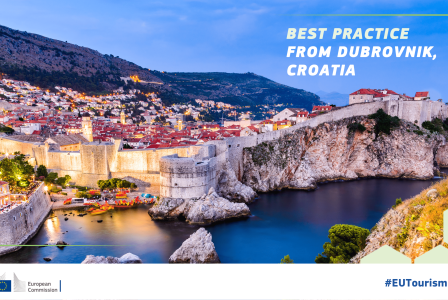
Dubrovnik, Croatia, embarked on a strategic shift to manage overtourism and protect residents’ quality of life, triggered by rapid tourism growth and infrastructure strain. Through stakeholder collaboration, regulatory reforms, and digital innovation, the city implemented measures to control visitor flows, promote off-season tourism, and enhance urban liveability, laying the groundwork for a more balanced and sustainable tourism model
Sustainable EU Tourism project
Topics
Croatia
Destination Management & Marketing Organisations
-
Specific types of tourism
-
-
Coastal, maritime and inland water tourism
-
Cultural tourism
-
-
Transition Pathway Strategic Areas
-
-
Best practices, peer learning and networking
-
Digitalisation of tourism SMEs and destinations
-
Governance of tourism destinations
-
Improving statistics and indicators
-
Sustainable mobility
-
Tools for data on tourism
-
Tourism strategies
-
-
Business activities
-
-
Other
-
Share
Dubrovnik, Croatia, has been recognised as a best practice by the Sustainable EU Tourism project for effectively managing visitor congestion and preserving urban liveability through strategic planning, regulation, and innovation.
In response to growing pressure on infrastructure and residents’ wellbeing, the city launched the Respect the City (RTC) initiative in 2017. Developed in partnership with local tourism stakeholders, RTC introduced a comprehensive strategy to address overtourism and ensure more balanced tourism development. Measures included capping souvenir stand licenses, regulating cruise ship arrivals, and designating a Limited Traffic Zone around the historic centre starting in 2025.
To support informed decision-making, Dubrovnik deployed several smart solutions such as machine learning-based visitor predictions, real-time counting systems at city gates, a bus arrival management app, and parking sensors. These tools enable dynamic crowd management and help shift tourism to off-peak times and locations.
By combining regulatory measures with technological innovation and stakeholder collaboration, Dubrovnik has improved quality of life for residents, enhanced the tourist experience, and reinvested cruise tax revenue into urban infrastructure. The city’s approach serves as a scalable model for other heritage-rich destinations grappling with overtourism.
For more details on the key challenges the destination has faced and the solutions implemented to address them, please refer to the attached document.
Documents
Comments (0)
Related content

Connected Partnership Opportunities
See also
Platform for creating accessible and multilingual itineraries with voice assistant
- Categories
- Coastal, maritime and inland water tourism Cultural tourism Ecotourism +64 more

Crisis Management and Governance in Tourism project: Montenegro National Tourism Organisation
- Categories
- Coastal, maritime and inland water tourism Cultural tourism Ecotourism +21 more
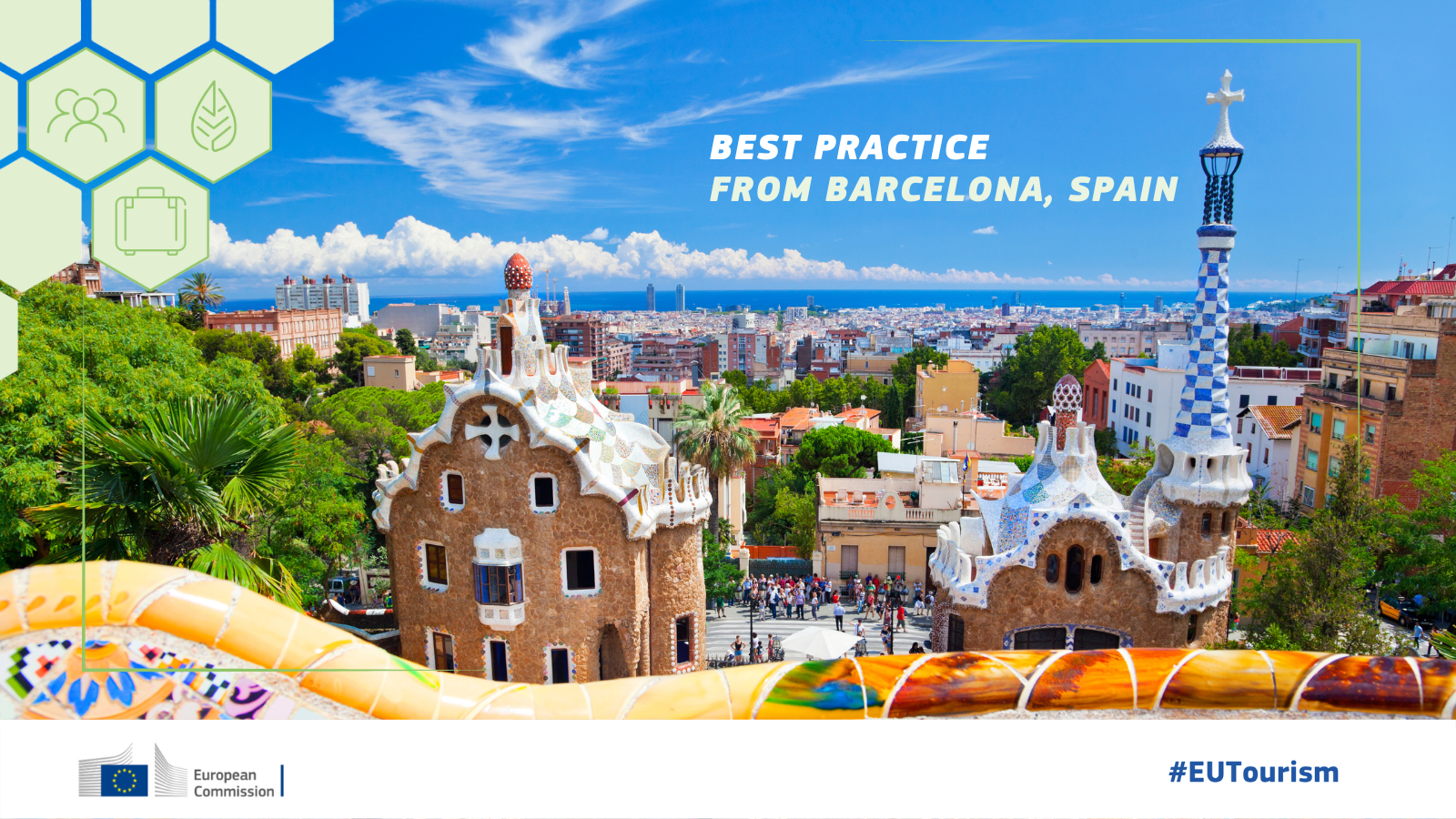
Sustainable EU Tourism project - best practice: Barcelona
- Categories
- Cultural tourism Gastronomy tourism MICE tourism +37 more