

Best practices
31 July 2025
Sustainable EU Tourism project - best practice: Florence
Sustainable EU Tourism
Best practices
31 July 2025
Sustainable EU Tourism
Login / create an account to be able to react
-
98
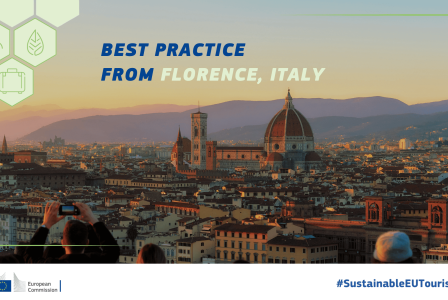
Florence, Italy, embarked on a comprehensive tourism management strategy to mitigate the pressures of overcrowding in its historic centre, triggered by rising visitor numbers and their impact on local life. Through cross-sectoral coordination, smart mobility solutions, and responsible tourism campaigns, the city developed a more balanced and inclusive tourism offer, preserving its cultural identity while improving quality of life for both residents and visitors.
Sustainable EU Tourism project
Topics
Italy
Destination Management & Marketing Organisations
-
Specific types of tourism
-
-
Cultural tourism
-
Urban/city tourism
-
-
Transition Pathway Strategic Areas
-
-
Best practices, peer learning and networking
-
Digitalisation of tourism SMEs and destinations
-
Governance of tourism destinations
-
Improving statistics and indicators
-
Tools for data on tourism
-
Tourism strategies
-
-
Business activities
-
-
Other
-
Share
Florence, Italy, has been recognised as a best practice by the Sustainable EU Tourism project for effectively addressing visitor congestion and protecting residents’ quality of life.
To manage increasing tourism pressures, Florence adopted a multi-level, cross-sectoral tourism strategy coordinated by a local steering board of public and private stakeholders. Measures included the Urban Mobility Plan, designed to enhance public transport and reduce congestion, and the #EnjoyRespectFirenze campaign, encouraging respectful and conscious visitor behaviour.
Digital tools such as the FeelFlorence app and its companion website help monitor real-time crowding and redirect tourists to less-visited but culturally rich areas. Complementary initiatives focused on managing attraction opening hours and regulating commercial activity to maintain the character of the historic centre.
Florence’s experience demonstrates how coordinated governance, data-driven tools, and public awareness campaigns can help destinations harmonise tourism growth with local well-being and heritage preservation.
For more details on the challenges the destination has faced and the solutions implemented to address them, please refer to the attached document.
Documents
Comments (0)
Related content

Connected Partnership Opportunities
See also
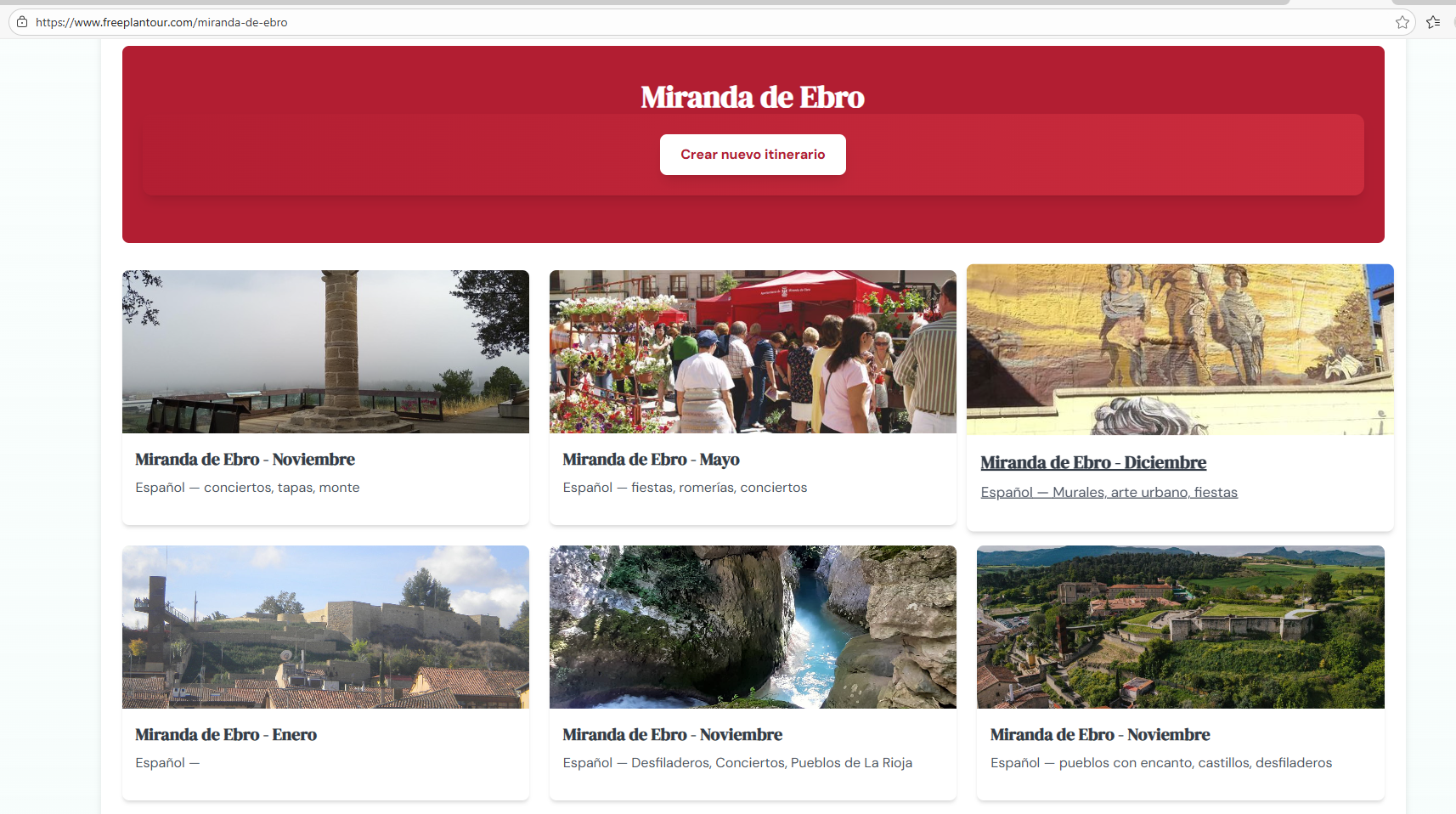
Platform for creating accessible and multilingual itineraries with voice assistant
- Categories
- Coastal, maritime and inland water tourism Cultural tourism Ecotourism +64 more

Crisis Management and Governance in Tourism project: Montenegro National Tourism Organisation
- Categories
- Coastal, maritime and inland water tourism Cultural tourism Ecotourism +21 more
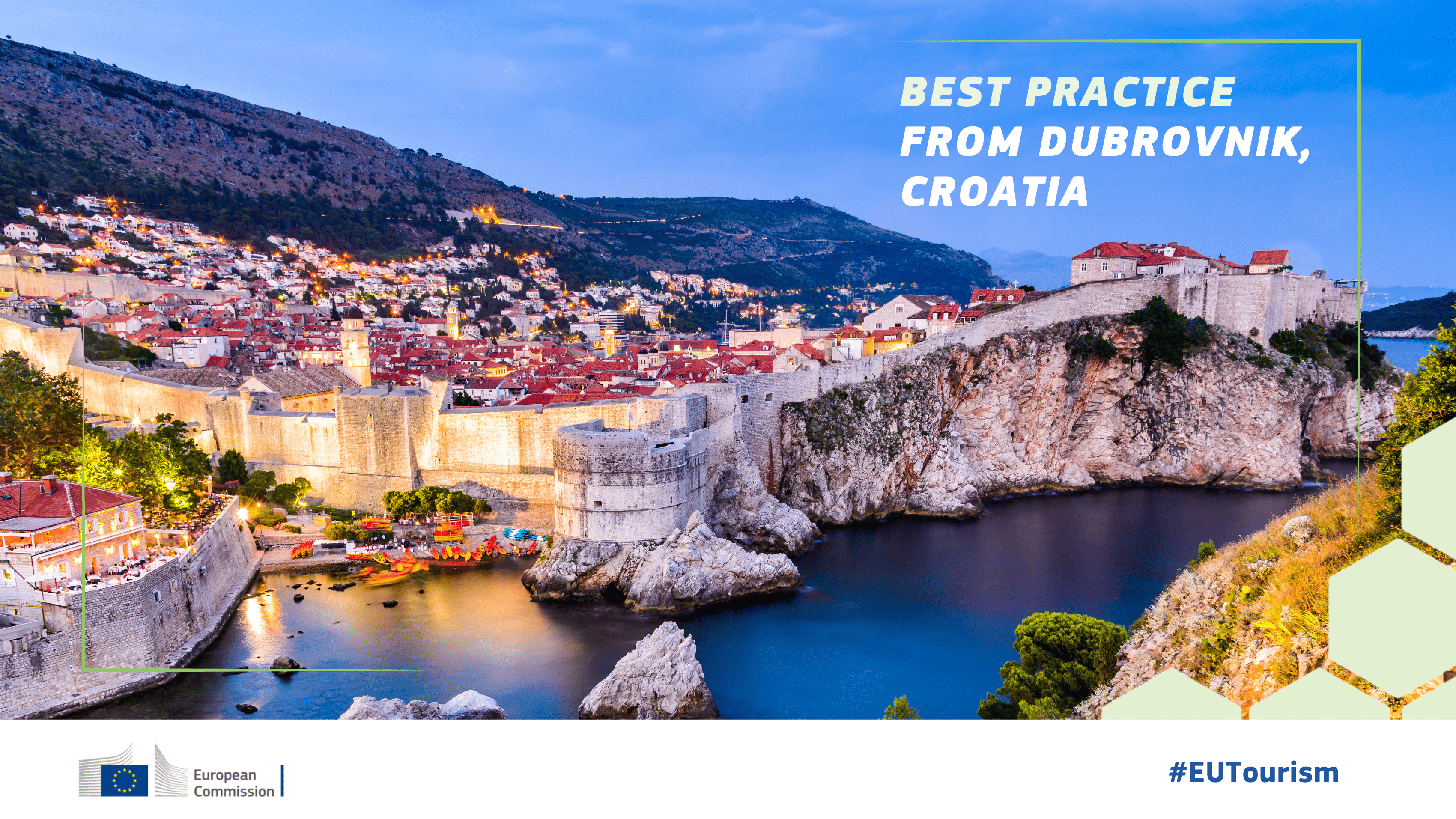
Sustainable EU Tourism project - best practice: Dubrovnik
- Categories
- Cultural tourism Best practices, peer learning and networking Digitalisation of tourism SMEs and destinations +6 more