

Best practices
01 July 2025
Sustainable EU Tourism project - best practice: Juist
Sustainable EU Tourism
Best practices
01 July 2025
Sustainable EU Tourism
Login / create an account to be able to react
-
60

Juist, Germany, has developed a participatory tourism model focused on guest involvement to support sustainable development. Through innovative mechanisms like the Guest Parliament and ongoing dialogue, Juist has encouraged tourists to actively contribute to the island's environmental protection and tourism planning, enhancing the destination’s inclusivity and sustainability.
Topics
Germany
Destination Management & Marketing Organisations
Local Authorities
-
Specific types of tourism
-
-
Coastal, maritime and inland water tourism
-
Ecotourism
-
Health and medical tourism
-
Wellness tourism
-
-
Transition Pathway Strategic Areas
-
-
Best practices, peer learning and networking
-
Governance of tourism destinations
-
Well-being of residents
-
-
Business activities
-
-
Activities of associations and other organisations supporting tourism
-
Other
-
Share
Juist, Germany, has been recognised as a best practice by the Sustainable EU Tourism project for its innovative approach to guest participation in tourism development.
As tourism is the island’s primary economic driver, Juist aimed to ensure long-term sustainability by actively involving its guests - mostly domestic visitors - in shaping tourism strategies.
Between 2014 and 2022, Juist launched the Guest Parliament, a unique advisory body made up of ten volunteer tourists selected via a lottery. Meeting annually on the island, the parliament offered insights and feedback that led to tangible outcomes, such as waste reduction initiatives, renewable energy use, and nature conservation programmes involving both tourists and locals.
Although the Guest Parliament was discontinued in 2022 due to tensions with residents and differing expectations, the inclusive spirit it fostered continues to guide Juist’s tourism strategy. The destination still engages guests through surveys, informal conversations, and sustainability-focused events like children’s universities and flea markets. Additionally, daily communication via the Juistpost newsletter further reinforces visitor involvement.
This participatory model strengthened tourists’ connection to Juist and earned the island national recognition as a forward-thinking and environmentally responsible destination.
Juist’s experience demonstrates the potential and challenges of direct visitor involvement in tourism planning and offers valuable lessons in balancing stakeholder expectations while fostering inclusive and sustainable tourism development.
For more details on the key challenges the destination has faced and the solutions implemented to address them, please refer to the attached document.
#Destination management #Sustainable tourism #Stakeholder engagement #Community engagement #Innovation in tourism #Tourism development #Waste reduction #Renewable electricity
Documents
Comments (0)
Related content


Connected Partnership Opportunities
See also

EXPERIENCE: Completed initiative for boosting off-season tourism
- Categories
- Coastal, maritime and inland water tourism Cultural tourism Ecotourism +38 more
Platform for creating accessible and multilingual itineraries with voice assistant
- Categories
- Coastal, maritime and inland water tourism Cultural tourism Ecotourism +64 more
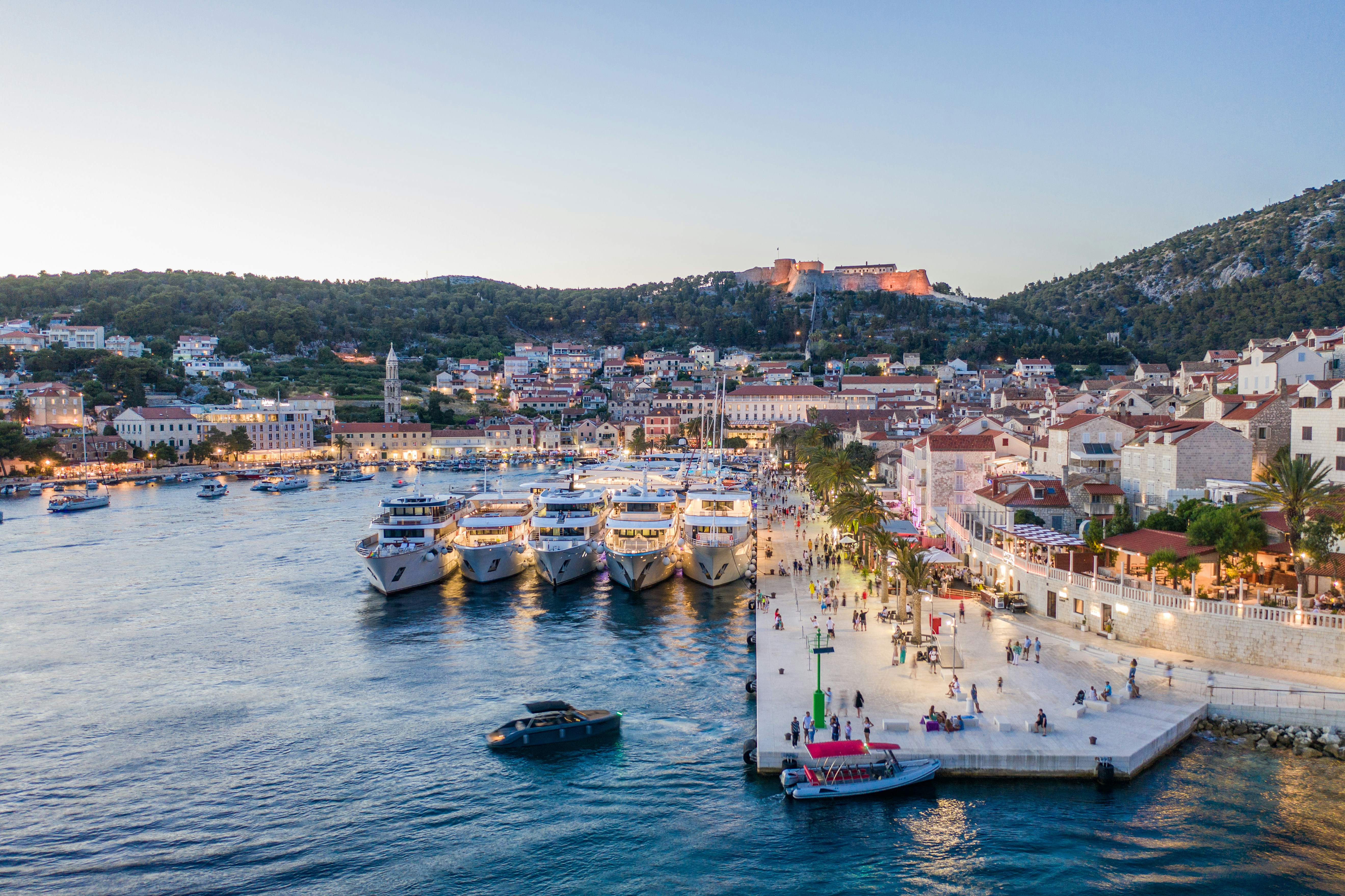
eTurizam: Modernising tourism services through digitalisation in Croatia
- Categories
- Coastal, maritime and inland water tourism Cultural tourism Ecotourism +41 more