

Data
02 February 2026
Germany: Tourism Performance at a Glance
Data
02 February 2026
Login / create an account to be able to react
-
630
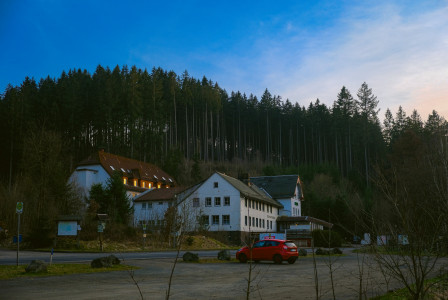
Germany’s tourism market shows steady recovery and continues to demonstrate strong long‑term potential as both a domestic and international destination. Despite a slower rebound in visitor numbers, the country’s diversified offer and robust infrastructure support gradual growth. Discover the key figures shaping Germany’s tourism landscape.
Topics
Germany
Academic / Research and VET Institutions
Business Support Organisation
Company with 250 or more employees
Cluster Organisations
Consumer Organisations
Cultural and Heritage Organisations
Destination Management & Marketing Organisations
EU Institutions
Financial Institutions and Investors
Industry Associations and Chambers of Commerce
International Organisations
Local Authorities
Media / Journalist Organisations
National authorities
Networks and Federations / Confederations
NGOs / Non-profits
Notified Bodies
Regional Authorities
SMEs (a company with less than 250 employees)
Social Economy Entity
Trade Unions
Other
-
Specific types of tourism
-
-
Adventure tourism
-
Coastal, maritime and inland water tourism
-
Cultural tourism
-
Ecotourism
-
Education tourism
-
Festival tourism
-
Gastronomy tourism
-
Health and medical tourism
-
MICE tourism
-
Mountain tourism
-
Religious tourism
-
Rural tourism
-
Sports tourism
-
Urban/city tourism
-
Wellness tourism
-
-
Transition Pathway Strategic Areas
-
-
Accessible tourism services
-
Best practices, peer learning and networking
-
Changes in tourism demand and opportunities
-
Circularity of tourism services
-
Coordinated information on travelling
-
Cross-border travelling
-
Digitalisation of tourism SMEs and destinations
-
Equal and fair tourism jobs
-
Funding and support measures
-
Governance of tourism destinations
-
Green Transition of Tourism Companies and SMEs
-
Improving formal education
-
Improving statistics and indicators
-
Innovative tourism services
-
Multimodal travelling
-
Online visibility of tourism offer
-
Pact for skills
-
Promoting PEF/OEF methods for tourism
-
R&I on climate-friendly tourism
-
R&I on digital tools for tourism
-
Short-term rentals
-
Skills needs for twin transition
-
Sustainable mobility
-
Tools for data on tourism
-
Tourism strategies
-
Training opportunities
-
Well-being of residents
-
-
Business activities
-
-
Activities of amusement parks and theme parks
-
Activities of associations and other organisations supporting tourism
-
Air passenger transport
-
Camping grounds, recreational vehicle parks and trailer parks
-
Events catering and other food services
-
Festivals, cultural and entertainment activities
-
Gardens and nature reserves activities
-
Holiday Housing / Apartments and other short stay accommodation
-
Hotel and similar accommodation
-
Mobile beverage services
-
Mobile food services
-
Museums
-
Operation of historical sites
-
Other
-
Other accommodation
-
Other amusement and recreation activities
-
Other food and beverage services
-
Other holiday reservation services
-
Other tourism transportation activities
-
Rail Passenger transport
-
Recreational and sport activities
-
Restaurants, cafes and bars (Food and Beverage serving activities)
-
Road passenger transport
-
Tour operator activities
-
Travel agency activities
-
Water (sea, coastal and inland) passenger transport
-
Share
Germany remains one of Europe’s most established tourism destinations, offering significant long‑term growth potential despite the disruptions caused by the COVID‑19 pandemic. Before the crisis, the sector generated over EUR 123.8 bn, and by 2022 total tourism revenues reached EUR 195.9 bn, reflecting a positive CARC of 1.2% from 2017 to 2022. In 2021, the country recorded 96.8 million tourists (domestic and international), although international arrivals remained 70.5% below 2019 levels and domestic tourism 43.8% below pre‑pandemic levels. The industry employed over 2.1 million people, accounting for 4.7% of national employment.
Germany continues to attract visitors with its cultural cities, architectural landmarks, natural landscapes, winter sports, and extensive coastline along the Baltic and North Sea. The country is also accelerating digitalisation, with rising demand for online bookings, contactless services, and digital travel guides—supported by initiatives such as the planned “Open Data Tourism Alliance.” Strong transport infrastructure, widespread accessibility by car, and sustained government support further strengthen the sector’s resilience.
In 2022, the food service sector remained the largest segment with EUR 90.2 bn (46% of industry value), followed by travel intermediaries generating EUR 33.3 bn (17%). Together, these developments position Germany as a stable, diversified, and mature tourism market with room for continued, sustainable growth.
Documents
Comments (0)
Related content
Connected Partnership Opportunities
See also
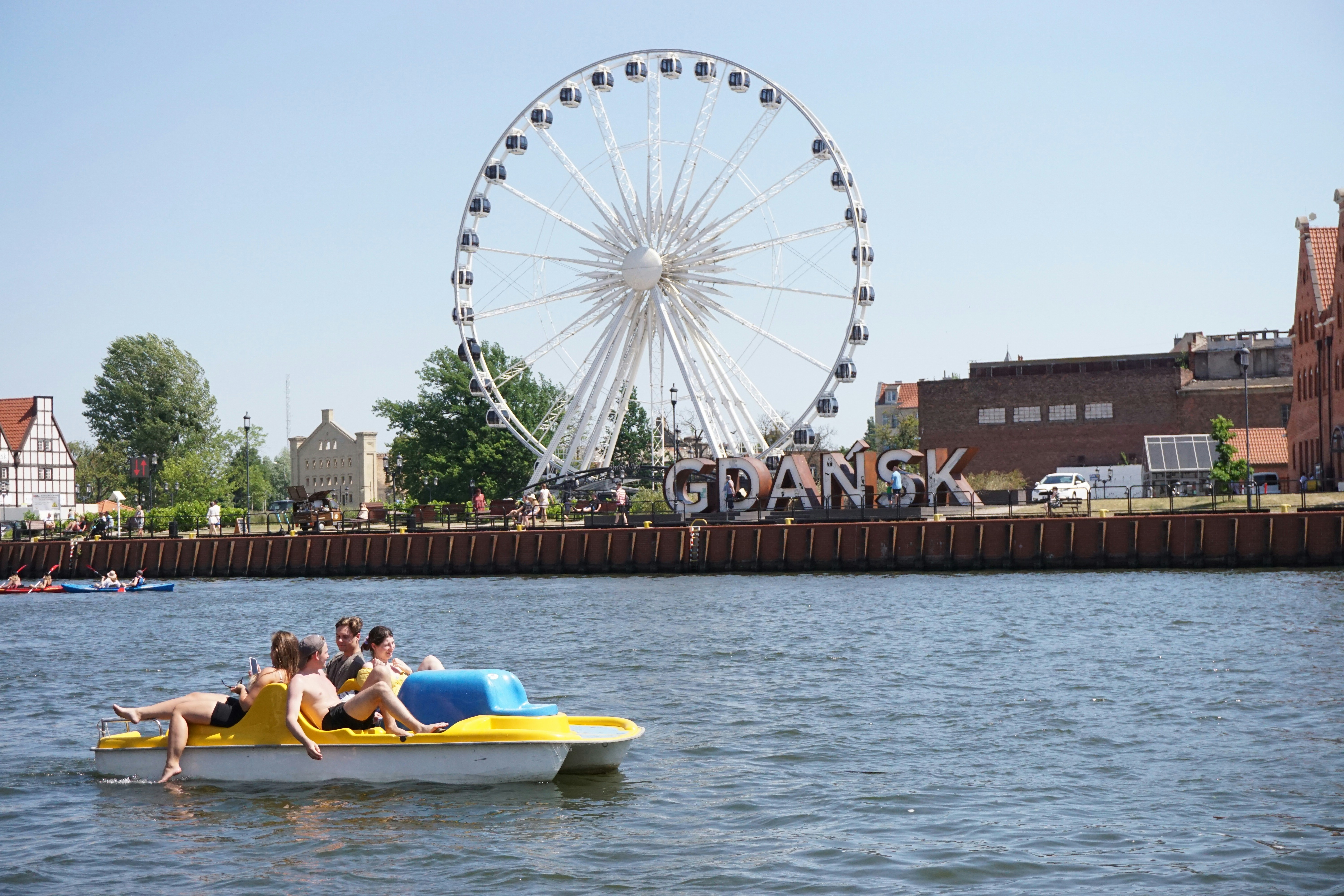
Poland: Tourism Performance at a Glance
- Categories
- Coastal, maritime and inland water tourism Cultural tourism Ecotourism +64 more

Explore our May article on unbalanced tourism
- Categories
- Coastal, maritime and inland water tourism Cultural tourism Ecotourism +64 more
Last chance to register for the upcoming EU Tourism Platform Onboarding Workshop
- Categories
- Coastal, maritime and inland water tourism Cultural tourism Ecotourism +64 more