

Funding mechanisms
01 December 2025
EU invests €600 million to fuel the shift toward zero-emission mobility
Funding mechanisms
01 December 2025
Login / create an account to be able to react
-
84
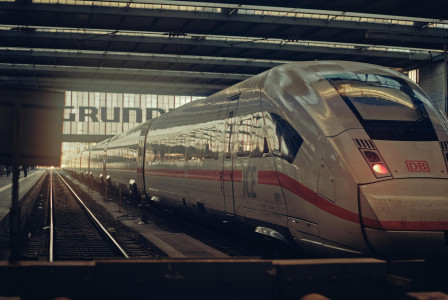
On 17 November 2025, the European Climate, Infrastructure and Environment Executive Agency (CINEA) announced that it awarded over €600 million in grants to fund 70 projects across 24 EU countries. These projects will build infrastructure for alternative fuels — including electric-vehicle charging, hydrogen refuelling, port electrification and clean aviation and shipping services. The investments mark a major step toward greener, carbon-neutral transport systems across Europe, with strong implications for tourism, logistics and everyday mobility.
European Climate, Infrastructure and Environment Executive Agency
European Climate, Infrastructure and Environment Executive Agency
Topics
EU-27
Academic / Research and VET Institutions
Business Support Organisation
Company with 250 or more employees
Cluster Organisations
Consumer Organisations
Cultural and Heritage Organisations
Destination Management & Marketing Organisations
EU Institutions
Financial Institutions and Investors
Industry Associations and Chambers of Commerce
International Organisations
Local Authorities
Media / Journalist Organisations
National authorities
Networks and Federations / Confederations
NGOs / Non-profits
Notified Bodies
Regional Authorities
SMEs (a company with less than 250 employees)
Social Economy Entity
Trade Unions
Other
-
Specific types of tourism
-
-
Coastal, maritime and inland water tourism
-
Rural tourism
-
Urban/city tourism
-
-
Transition Pathway Strategic Areas
-
-
Best practices, peer learning and networking
-
Cross-border travelling
-
Multimodal travelling
-
-
Business activities
-
-
Air passenger transport
-
Other tourism transportation activities
-
Rail Passenger transport
-
Road passenger transport
-
Water (sea, coastal and inland) passenger transport
-
Share
The European Union is accelerating its ambition to transform transport and mobility through a new wave of funding focused on alternative fuels infrastructure. Under the latest round of the Alternative Fuels Infrastructure Facility (AFIF), 70 projects have been selected to receive grants totalling more than €600 million. The funding will support the deployment of electric recharging stations, hydrogen refuelling points, on-shore power supply at ports and the electrification of ground handling services at airports.
Across the European transport network, this means: installation of over 1,000 fast-charging points for light vehicles, about 2,000 charging stations for heavy-duty vehicles, and hundreds of ultra-fast chargers with 1 MW output. In addition, 38 hydrogen refuelling stations will serve cars, buses and trucks, while 24 maritime ports will receive upgrades, including electrified port services and ammonia/methanol bunkering facilities aimed at decarbonising shipping. Sixteen European airports will also benefit, replacing diesel-powered ground operations with electric ones.
This large-scale investment matters for Europe’s tourism industry for several reasons. First, improved electric and hydrogen mobility will make travel across borders, between cities, airports, and tourist regions cleaner and more sustainable — appealing to travellers increasingly concerned with environmental impact. Second, electrified ports and green maritime infrastructure will support sustainable cruise, ferry and coastal tourism, reducing emissions in popular coastal and island destinations. Third, cleaner ground transport and airport services will reduce the carbon footprint of tourists’ journeys, supporting a shift toward more responsible travel practices. Finally, by strengthening infrastructure across the EU, the funding helps enable seamless cross-border travel — a key enabler for pan-European tourism, business trips, and cultural exchange.
With this initiative, the EU underscores its commitment to sustainable mobility and the transition to a low-carbon, climate-friendly tourism ecosystem. The investment is not only a milestone for transport policy, but also a foundational step toward aligning European mobility, tourism, and environmental goals for the coming decade.
#Green transportation options #Mobility #Low-emission vehicles #Public transportation #Sustainable and Eco-Friendly Tourism
Comments (0)
Related content

Connected Partnership Opportunities
See also

Secure Your Spot for European Tourism Day: Pioneering Sustainable Travel!
- Categories
- Coastal, maritime and inland water tourism Cultural tourism Ecotourism +64 more
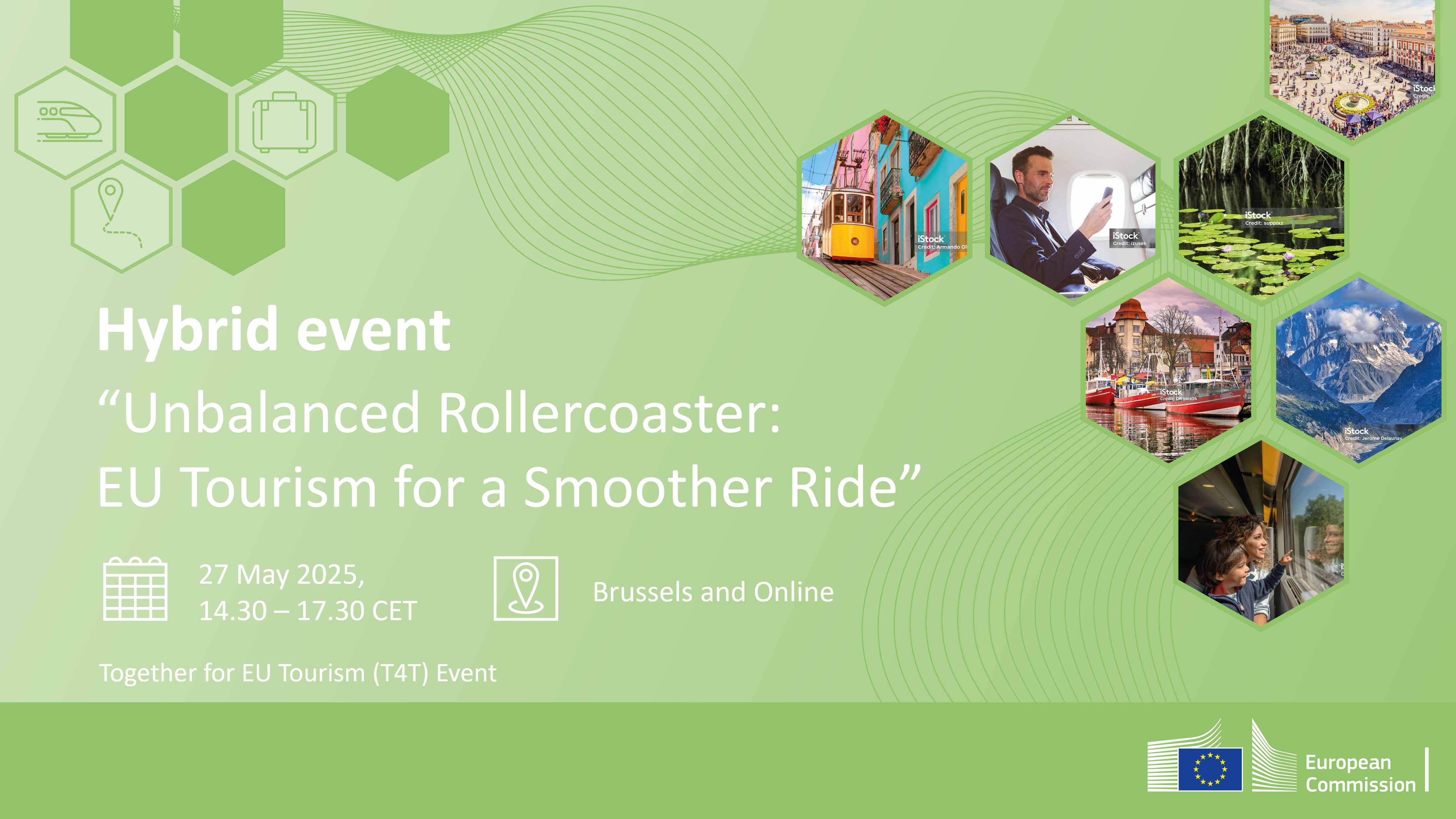
Lact call for registrations in Hybrid event "Unbalanced Rollercoaster - EU Tourism for a Smoother Ride"
- Categories
- Coastal, maritime and inland water tourism Cultural tourism Ecotourism +64 more

Explore our May article on unbalanced tourism
- Categories
- Coastal, maritime and inland water tourism Cultural tourism Ecotourism +64 more