

Knowledge documents
27 November 2025
Coasts in focus: what the new Hereon & GEO Blue Planet report means for european tourism
Knowledge documents
27 November 2025
Login / create an account to be able to react
-
45
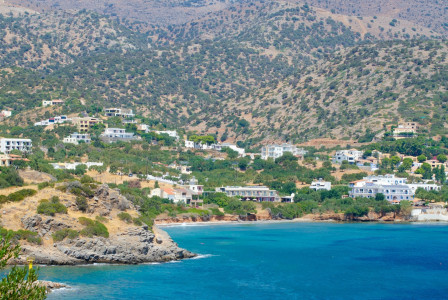
The new coastSM report by GEO Blue Planet outlines major risks facing the world’s coastal and marine environments, including erosion, sea-level rise, pollution and biodiversity loss. For Europe, where coastal tourism forms a major part of the economy, the report serves as both a warning and a roadmap for adaptation. Its findings emphasise that tourism must evolve to protect natural assets and coastal communities. The document highlights the urgent need for sustainable management to secure the long-term future of Europe’s coasts.
Climate Service Centre Germany Hereon
Climate Service Centre Germany Hereon
Topics
EU-27
Academic / Research and VET Institutions
Destination Management & Marketing Organisations
-
Specific types of tourism
-
-
Coastal, maritime and inland water tourism
-
-
Transition Pathway Strategic Areas
-
-
Best practices, peer learning and networking
-
R&I on climate-friendly tourism
-
-
Business activities
-
-
Activities of amusement parks and theme parks
-
Activities of associations and other organisations supporting tourism
-
Air passenger transport
-
Camping grounds, recreational vehicle parks and trailer parks
-
Events catering and other food services
-
Festivals, cultural and entertainment activities
-
Gardens and nature reserves activities
-
Holiday Housing / Apartments and other short stay accommodation
-
Hotel and similar accommodation
-
Mobile beverage services
-
Mobile food services
-
Museums
-
Operation of historical sites
-
Other
-
Other accommodation
-
Other amusement and recreation activities
-
Other food and beverage services
-
Other holiday reservation services
-
Other tourism transportation activities
-
Rail Passenger transport
-
Recreational and sport activities
-
Restaurants, cafes and bars (Food and Beverage serving activities)
-
Road passenger transport
-
Tour operator activities
-
Travel agency activities
-
Water (sea, coastal and inland) passenger transport
-
Share
The coastSM report provides a detailed assessment of the pressures affecting coasts and marine ecosystems worldwide. It examines how climate change, urbanisation, extreme weather, degraded habitats and marine pollution are intensifying risks for communities and industries located along the shoreline. For the tourism sector in Europe, these insights are especially relevant because so many destinations depend directly on healthy beaches, intact ecosystems and stable coastal infrastructure.
Across Europe’s coastal regions, tourism is one of the most important sources of employment and income. This makes the sector particularly vulnerable to the environmental threats highlighted in the report. Coastal erosion can lead to the loss of beaches and promenades; declining water quality undermines visitor appeal; and more frequent storms threaten ports, hotels and waterfront facilities. Without proactive adaptation, these changes could reduce competitiveness and diminish the visitor experience.
The report encourages a shift away from high-impact tourism models toward more sustainable, nature-aligned practices. This includes integrating coastal-risk assessments into destination planning, investing in nature-based solutions such as dune restoration or wetland buffers, improving waste management, and reducing pollution along coastlines. The tourism industry is encouraged to take a leadership role by adopting low-impact operations, enhancing climate resilience and promoting responsible visitor behaviour.
As Europe moves through late 2025, the messages of the coastSM report carry increased urgency. Many destinations are already grappling with rising temperatures, unpredictable weather and pressure on local ecosystems. By acting on the report’s recommendations, European tourism stakeholders can help protect coastal communities, preserve natural assets and ensure that tourism remains viable in the years ahead.
#Sustainable and Eco-Friendly Tourism #Sustainable tourism #Responsible travel #Sustainable destinations #Low-impact tourism
Comments (0)
Related content

Connected Partnership Opportunities
See also

ETGG2030 project’s collection of best practices from European tourism SMEs
- Categories
- Coastal, maritime and inland water tourism Cultural tourism Ecotourism +40 more

G20 Tourism and SDGs Dashboard by UNWTO and India's G20 Presidency
- Categories
- Coastal, maritime and inland water tourism Cultural tourism Ecotourism +59 more
Tracking Tourism's Role in Global Progress: UN SDGs Report 2025
- Categories
- Coastal, maritime and inland water tourism Cultural tourism Ecotourism +43 more