

News
19 February 2026
Cultural routes in Europe: Italy strengthens its role in experiential and sustainable tourism
News
19 February 2026
Login / create an account to be able to react
-
70

Cultural and pilgrimage routes are becoming a strategic pillar of European tourism, connecting heritage, landscapes and local communities. Italy is playing a leading role in this shift by revitalising historic paths such as the Romea Strata and positioning cultural routes as drivers of regional development, slow travel and year-round tourism. These initiatives reflect broader EU priorities in sustainability, cultural preservation, and balanced visitor flows.
ENIT S.p.A.
ENIT S.p.A.
Topics
Italy
Cultural and Heritage Organisations
Destination Management & Marketing Organisations
Local Authorities
Regional Authorities
-
Specific types of tourism
-
-
Cultural tourism
-
-
Transition Pathway Strategic Areas
-
-
Best practices, peer learning and networking
-
-
Business activities
-
-
Festivals, cultural and entertainment activities
-
Operation of historical sites
-
Share
Across Europe, cultural and pilgrimage routes are increasingly recognized as effective tools for sustainable tourism development. These routes, including long-distance walking paths, cycling networks, heritage trails, and spiritual journeys, help destinations diversify offerings and foster deeper connections between people, places, and history. This trend mirrors changing traveler preferences, with more visitors seeking meaningful, immersive, and low-impact experiences.
Italy has become a leading nation in this movement. Its rich cultural heritage, historic landscapes, and strong local identities drive efforts to revitalize ancient routes that historically linked communities, trade, and religious practices. Initiatives such as the Romea Strata, the Via Francigena, and other regional cultural corridors are being transformed into modern tourism experiences that blend culture, nature, gastronomy, and wellbeing.
These routes support a transition from mass tourism towards more balanced, dispersed visitor flows. Instead of focusing tourism in a few iconic cities, they encourage exploration of rural areas, smaller towns, and less-visited regions, bolstering local economies, creating opportunities for small businesses, and supporting community-based tourism models. Additionally, they help alleviate overtourism in major destinations and extend the tourism season.
From a European perspective, cultural routes align with EU priorities by promoting cultural preservation, regional cooperation, and cross-border connectivity. They also support climate-friendly travel modes like walking, cycling, and rail. Many routes highlight shared European history and values, strengthening national identity and international cooperation.
The rising interest in cultural routes is connected to trends in wellness, slow travel, and experiential tourism. Travelers increasingly desire time in nature, opportunities for reflection, and authentic cultural experiences. These journeys provide that while promoting sustainability and destination resilience.
For EU tourism policymakers and stakeholders, cultural routes offer a framework for innovation, collaboration, and integrated destination management. By linking heritage conservation with tourism growth, countries like Italy show how cultural assets can lead to regeneration, inclusive development, and sustainable tourism practices.
As Europe advances sustainable tourism, cultural routes will likely play an even more significant role in shaping future travel. Their ability to combine heritage, mobility, wellbeing, and community engagement makes them vital for creating a resilient and diverse European tourism landscape.
#Cultural Preservation #Slow Travel #Sustainable Tourism #Experiential Tourism #Sustainable Destinations
Comments (0)
Related content
Connected Partnership Opportunities
See also

Unlock the full potential of our platform
- Categories
- Coastal, maritime and inland water tourism Cultural tourism Ecotourism +38 more

Unlock the benefits of this platform for you!
- Categories
- Coastal, maritime and inland water tourism Cultural tourism Ecotourism +38 more
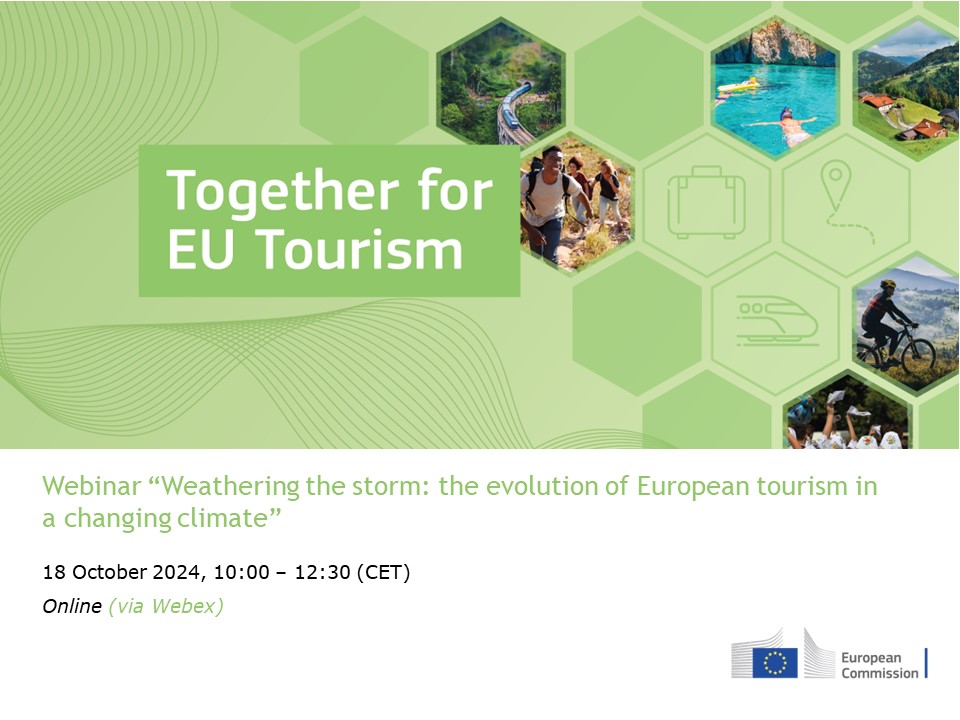
Webinar "Weathering the storm: the evolution of European tourism in a changing climate" - 18 October 2024
- Categories
- Coastal, maritime and inland water tourism Cultural tourism Ecotourism +52 more