

News
11 June 2026
European Commission unveils first-ever EU strategies for islands and coastal communities
News
11 June 2026
Login / create an account to be able to react
-
424
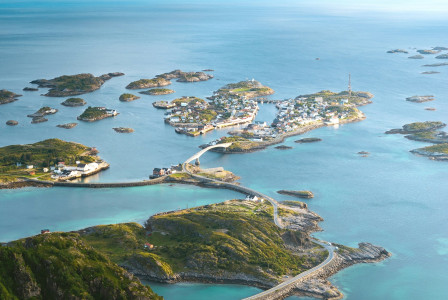
The European Commission has introduced the first specific EU strategies for islands and coastal communities, acknowledging their distinctive challenges and critical role in Europe's future. These new initiatives aim to enhance resilience, competitiveness, and sustainability, while also promoting economic growth, connectivity, and climate adaptation in some of Europe's most tourism-reliant areas.
European Commission
European Commission
Topics
EU-27
Destination Management & Marketing Organisations
Local Authorities
National authorities
Regional Authorities
-
Specific types of tourism
-
-
Coastal, maritime and inland water tourism
-
-
Transition Pathway Strategic Areas
-
-
Best practices, peer learning and networking
-
Changes in tourism demand and opportunities
-
Sustainable mobility
-
Well-being of residents
-
-
Business activities
-
-
Activities of amusement parks and theme parks
-
Activities of associations and other organisations supporting tourism
-
Air passenger transport
-
Camping grounds, recreational vehicle parks and trailer parks
-
Events catering and other food services
-
Festivals, cultural and entertainment activities
-
Gardens and nature reserves activities
-
Holiday Housing / Apartments and other short stay accommodation
-
Hotel and similar accommodation
-
Mobile beverage services
-
Mobile food services
-
Museums
-
Operation of historical sites
-
Other
-
Other accommodation
-
Other amusement and recreation activities
-
Other food and beverage services
-
Other holiday reservation services
-
Other tourism transportation activities
-
Rail Passenger transport
-
Recreational and sport activities
-
Restaurants, cafes and bars (Food and Beverage serving activities)
-
Road passenger transport
-
Tour operator activities
-
Travel agency activities
-
Water (sea, coastal and inland) passenger transport
-
Share
The European Commission has, for the first time, adopted dedicated strategies targeting Europe's islands and coastal communities. This historic move highlights the unique opportunities and challenges these areas face, many of which are vital to Europe's tourism industry. The strategies aim to offer a coordinated approach to address issues such as climate change, demographic pressures, connectivity, economic diversification, and sustainable growth. They also recognise the important contributions of islands and coastal regions to Europe's cultural heritage, biodiversity, maritime economy, and tourism sector.
Throughout Europe, islands and coastal areas host millions of residents and draw hundreds of millions of tourists annually. Tourism remains a key economic sector in many of these regions, generating employment, supporting local businesses, and fostering regional growth. Yet, reliance on seasonal tourism also leaves many destinations susceptible to economic downturns, climate effects, and shifts in travel trends. Consequently, the Commission's new strategy emphasises resilience. It proposes measures to help communities diversify their economies, enhance local supply chains, and invest in sustainable infrastructure that benefits both locals and visitors.
Climate adaptation forms a key part of the initiative. Rising sea levels, coastal erosion, biodiversity decline, and more frequent extreme weather events are increasing risks for Europe's coastal and island destinations. The strategies emphasise investing in nature-based solutions, restoring ecosystems, and building climate-resilient infrastructure to help communities cope with these issues. This is especially important for the tourism sector, as many of Europe's iconic destinations are situated along coasts and islands, making their sustainable future a strategic priority. The Commission underscores the importance of supporting sustainable tourism practices that preserve natural resources, empower local communities, and decrease environmental impacts, all while ensuring economic stability.
The strategies also highlight the importance of enhancing connectivity. Improved transport, digital infrastructure, and accessibility are vital for keeping islands and coastal communities competitive and appealing places to live, work, and visit. Better connectivity can also reduce regional disparities and promote steady economic activity year-round. A significant focus is on the blue economy, as coastal and island areas contribute to sectors such as maritime transport, fisheries, renewable energy, and marine innovation. The strategies seek to boost collaborations among these sectors and with tourism, promoting more integrated regional development. The European Commission stresses that local and regional authorities must be central to the implementation of these plans. These strategies complement existing cohesion policies and serve as a framework for targeted investments and cooperation at various governance levels. For tourism, this initiative aligns with broader European efforts to foster more sustainable and resilient destination management, supporting the EU Agenda for Tourism 2030 and the Transition Pathway for Tourism, which emphasise climate adaptability, balanced tourism growth, and stronger support for local communities.
The strategies aim to support wider territorial cohesion by preventing islands and coastal areas from being left behind in Europe's green and digital transitions. Ultimately, adopting these pioneering EU strategies signals that islands and coastal communities are central to Europe's future, not peripheral. They are increasingly seen as strategic regions whose resilience, sustainability, and prosperity are vital for broader European objectives. For tourism stakeholders, this initiative creates new opportunities to promote sustainable destination development while safeguarding Europe's valuable natural and cultural treasures for future generations.
More information:
https://ec.europa.eu/regional_policy/whats-new/newsroom/10-06-2026-commission-presents-first-ever-eu-strategies-for-islands-and-coastal-communities_en
#Sustainable Tourism #Climate-friendly tourism practices #Responsible travel #Low-impact tourism #Destination management
Comments (0)
Related content


See also
Lact call for registrations in Hybrid event "Unbalanced Rollercoaster - EU Tourism for a Smoother Ride"
- Categories
- Coastal, maritime and inland water tourism Cultural tourism Ecotourism +64 more

Register and join our discussion on latest developments and trends in EU tourism
- Categories
- Coastal, maritime and inland water tourism Cultural tourism Ecotourism +64 more

Complete the Survey on the Tourism Transition Pathway and EU Agenda 2030!
- Categories
- Coastal, maritime and inland water tourism Cultural tourism Ecotourism +64 more