

News
30 January 2026
Germany adopts new national tourism strategy with strong focus on mobility and infrastructure
News
30 January 2026
Login / create an account to be able to react
-
540

The German Federal Cabinet has adopted a new National Tourism Strategy, sending a strong political signal in support of the tourism sector. For the first time, the federal government clearly defines its coordinating role and places modern, sustainable infrastructure at the centre of tourism development. Mobility, accessibility and investment security are highlighted as key foundations for attractive and resilient destinations across Germany.
Deutscher Tourismusverband
Deutscher Tourismusverband
Topics
Germany
Academic / Research and VET Institutions
Business Support Organisation
Company with 250 or more employees
Cluster Organisations
Consumer Organisations
Cultural and Heritage Organisations
Destination Management & Marketing Organisations
EU Institutions
Financial Institutions and Investors
Industry Associations and Chambers of Commerce
International Organisations
Local Authorities
Media / Journalist Organisations
National authorities
Networks and Federations / Confederations
NGOs / Non-profits
Notified Bodies
Regional Authorities
SMEs (a company with less than 250 employees)
Social Economy Entity
Trade Unions
Other
-
Specific types of tourism
-
-
Adventure tourism
-
Coastal, maritime and inland water tourism
-
Cultural tourism
-
Ecotourism
-
Education tourism
-
Festival tourism
-
Gastronomy tourism
-
Health and medical tourism
-
MICE tourism
-
Mountain tourism
-
Religious tourism
-
Rural tourism
-
Sports tourism
-
Urban/city tourism
-
Wellness tourism
-
-
Transition Pathway Strategic Areas
-
-
Governance of tourism destinations
-
-
Business activities
-
-
Activities of amusement parks and theme parks
-
Activities of associations and other organisations supporting tourism
-
Air passenger transport
-
Camping grounds, recreational vehicle parks and trailer parks
-
Events catering and other food services
-
Festivals, cultural and entertainment activities
-
Gardens and nature reserves activities
-
Holiday Housing / Apartments and other short stay accommodation
-
Hotel and similar accommodation
-
Mobile beverage services
-
Mobile food services
-
Museums
-
Operation of historical sites
-
Other
-
Other accommodation
-
Other amusement and recreation activities
-
Other food and beverage services
-
Other holiday reservation services
-
Other tourism transportation activities
-
Rail Passenger transport
-
Recreational and sport activities
-
Restaurants, cafes and bars (Food and Beverage serving activities)
-
Road passenger transport
-
Tour operator activities
-
Travel agency activities
-
Water (sea, coastal and inland) passenger transport
-
Share
Germany has taken an important step in shaping the future of its tourism sector with the adoption of a new National Tourism Strategy by the Federal Cabinet. The strategy marks a shift in approach, as the federal level explicitly commits to a coordinating role in tourism policy and recognises tourism as a cross-sectoral field closely linked to infrastructure, mobility and regional development.
A central pillar of the strategy is the development of high-performing, sustainable infrastructure as the basis for competitive, attractive travel regions. This includes railways, roads and waterways, as well as cycling and hiking infrastructure, charging infrastructure for electric mobility and improved accessibility. The strategy underscores that modern mobility systems are essential to future-oriented tourism development and to enabling seamless, low-impact travel across destinations.
The rapid development of the strategy within the current legislative period has been welcomed by the tourism sector. At the same time, stakeholders stress that the real challenge now lies in implementation. The new Tourism Policy Forum is expected to translate strategic objectives into concrete measures, supported by reliable federal funding. Without a long-term financial commitment, the strategy's ambitions risk remaining on paper.
The adoption of the strategy also highlights the need for strong cooperation across all governance levels. Tourism development depends on coordinated action between the federal government, Länder, regions and municipalities, as well as close collaboration with the private sector. Investment certainty, clear responsibilities, and shared objectives are crucial to strengthening Germany’s tourism competitiveness.
In a broader European context, Germany’s new strategy reflects growing recognition of tourism as a strategic economic sector that depends on integrated mobility systems, sustainable infrastructure and policy coherence. By linking tourism more closely to transport, accessibility, and climate-friendly mobility, the strategy aligns with broader European efforts to promote sustainable and resilient tourism development.
More information is available here:
https://lnkd.in/dk8g5PbW
#Tourism Development #Mobility #Sustainable Tourism #Sustainable Destinations #Responsible Travel
Comments (0)
Related content


Connected Partnership Opportunities
See also
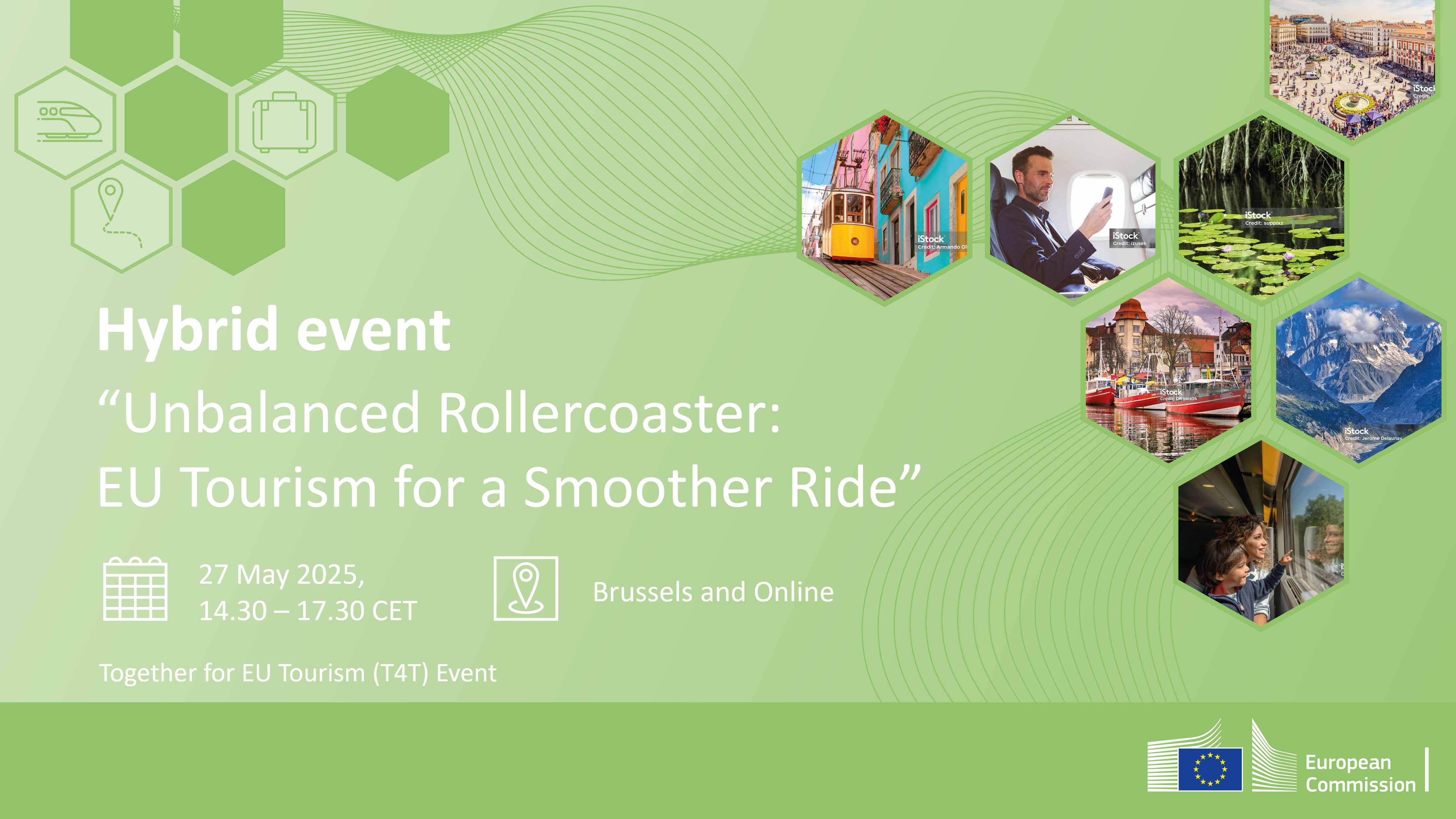
Lact call for registrations in Hybrid event "Unbalanced Rollercoaster - EU Tourism for a Smoother Ride"
- Categories
- Coastal, maritime and inland water tourism Cultural tourism Ecotourism +64 more

A Successful Confluence on Sustainable Travel Brings Europe and Japan Together at Osaka Expo
- Categories
- Coastal, maritime and inland water tourism Cultural tourism Ecotourism +40 more

Boosting Sustainable Tourism: MEPs Propose Strategic Shift to Unlock Untapped Destinations
- Categories
- Coastal, maritime and inland water tourism Cultural tourism Ecotourism +43 more